


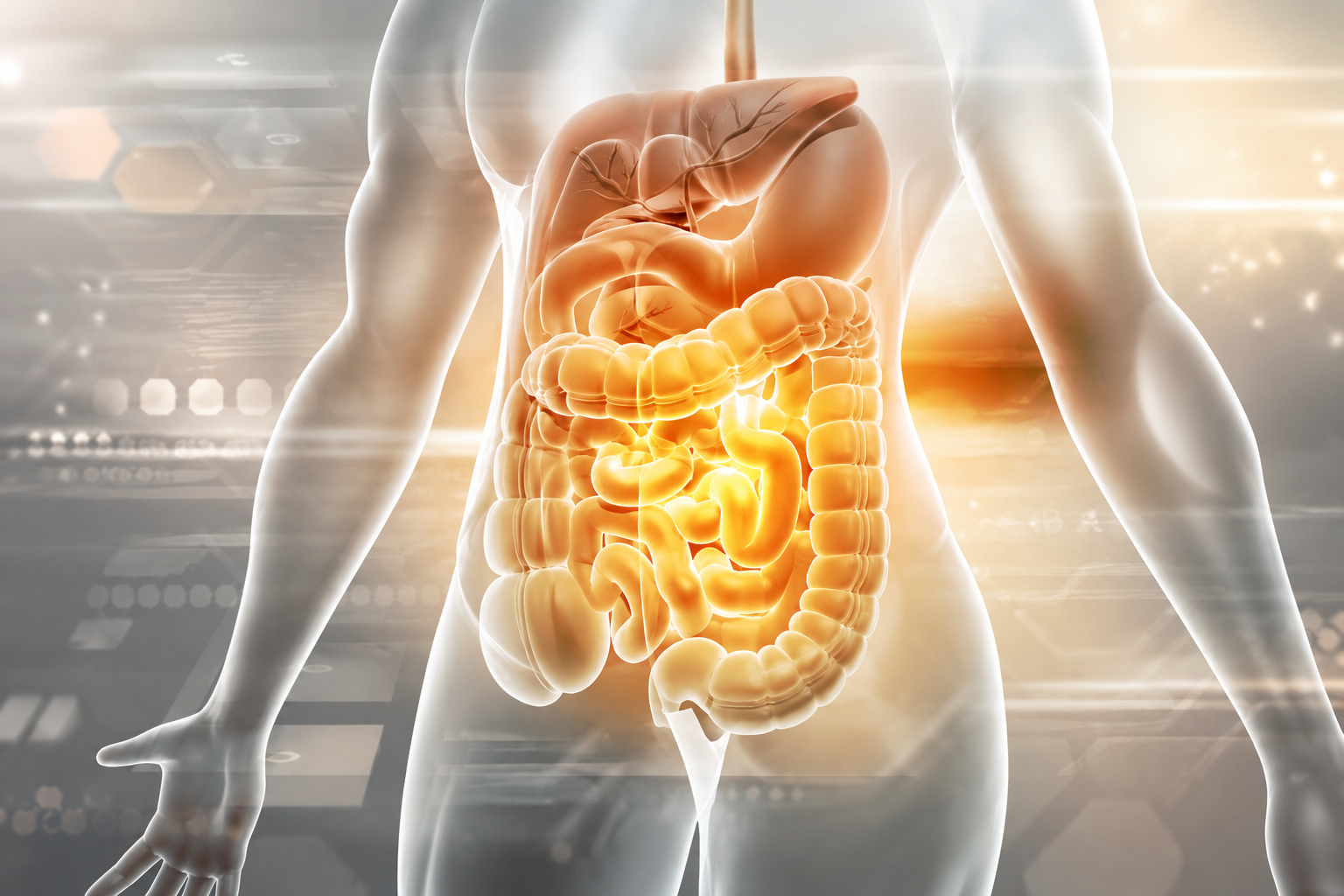
Parasitic infections can damage far more than the digestive system. Depending on the organism, they can affect the brain, eyes, lungs, liver or blood, producing illnesses that range from persistent diarrhea to seizures and permanent vision loss. Some infections cause few symptoms, while others become dangerous when a person’s immune defenses weaken. Recognizing these differences is essential to understanding their place in human health.
These infections occur in the United States as well as abroad. Their likelihood depends on the parasite, geographic location, sanitation conditions, food and water exposures, travel history and individual health. Federal health agencies have identified several parasitic infections as neglected diseases in this country because they can cause substantial illness and may be poorly recognized. However, their documented consequences do not establish that parasites account for a large share of otherwise unexplained chronic disease.
One of the clearest examples of a parasite causing neurological illness is neurocysticercosis. The condition develops when larvae of the pork tapeworm, Taenia solium, establish cysts in the brain. Inflammation surrounding those cysts can cause seizures and other neurological complications. The infection follows ingestion of tapeworm eggs through fecal contamination, a different process from acquiring an intestinal tapeworm by eating infected, undercooked pork. Diagnosis generally requires brain imaging and, in some cases, blood testing.
Another parasite, Toxoplasma gondii, can cause eye disease and serious neurological illness. Most infected people with healthy immune systems have no symptoms, but the organism can pose significant risks during pregnancy and in people with weakened immune defenses. Infection acquired during pregnancy can pass to the developing baby, potentially causing damage to the eyes or brain. In people who are immunocompromised, an existing infection can reactivate and cause severe disease.
Toxocariasis, caused by roundworms commonly found in dogs and cats, illustrates how migrating larvae can injure tissues outside the intestine. People generally become infected by swallowing parasite eggs from contaminated soil or other materials. Larvae can migrate through organs, causing inflammation and symptoms such as cough, wheezing, fever or abdominal discomfort. When an infection involves the eye, it can damage vision. These respiratory symptoms can resemble other illnesses, but coughing or wheezing alone does not establish a parasitic cause.
Within the digestive tract, Giardia and Cryptosporidium are important causes of illness. Giardia can produce diarrhea, bloating, abdominal cramps and problems absorbing nutrients. Some people experience recurring symptoms or develop longer-term digestive complications, including irritable bowel syndrome after infection. Cryptosporidium commonly causes watery diarrhea and can become especially severe or prolonged in people with weakened immune systems, sometimes interfering with nutrient absorption and contributing to substantial weight loss.
Parasites can also damage blood cells. Babesiosis, an infection commonly transmitted by ticks, occurs when Babesia organisms infect red blood cells. Destruction of those cells can cause hemolytic anemia, accompanied by fever, chills, fatigue and weakness. Although some infections produce no symptoms, severe cases can be life-threatening, particularly in older adults, people without a spleen and those with compromised immune systems.
Strongyloides, a parasitic roundworm, presents a different clinical challenge because infection can persist through a cycle of reinfection within the body. Many infected people have no symptoms, while others experience abdominal discomfort, diarrhea, rashes or respiratory problems. Corticosteroids and other circumstances that suppress immune defenses can allow an existing infection to become overwhelming. A history of possible exposure can therefore be medically important before certain treatments begin.
The relationship between parasites and cancer is established for specific organisms. Long-term infection with the liver flukes Opisthorchis viverrini and Clonorchis sinensis can cause bile duct cancer. These infections are associated with eating infected raw or undercooked freshwater fish in regions where the parasites circulate. Chronic infection damages the bile ducts and can produce persistent inflammation and scarring.
Infection with Schistosoma haematobium, a blood fluke that affects the urinary tract, is also a recognized cause of bladder cancer. Other forms of schistosomiasis can damage the intestines and liver. The consequences depend on the species and the tissues affected. These established cancer risks cannot be extended to parasites generally or used to conclude that an undetected infection explains an individual cancer diagnosis.
Accurate diagnosis requires selecting a test suited to the suspected organism. There is no single blood test that detects every parasitic infection, and a routine stool examination cannot identify all parasites affecting organs elsewhere in the body. Some infections require antibody testing, molecular testing, examination of blood or urine, imaging studies or other specialized evaluation.
Stool testing also has limitations. Certain parasites are shed intermittently, so examining samples collected on separate days can improve detection. Federal guidance recommends three or more specimens for some stool examinations, and three samples collected over several days for Giardia testing. Test performance varies according to the organism, laboratory method, specimen quality and stage of infection. A universal claim that parasite tests detect only two or three infections out of every ten is not supported.
A negative result may warrant further evaluation when symptoms and exposure history strongly suggest a particular infection. It does not, by itself, demonstrate that a parasite is present. Similarly, fatigue, anemia, abdominal pain, wheezing and seizures have many possible causes. Shared symptoms and inflammatory processes cannot establish that parasites are broadly responsible for asthma, autoimmune disease, heart failure or chronic fatigue.
For patients with persistent symptoms, a detailed medical history can help guide investigation. Relevant information may include travel, untreated drinking water, recreational water exposure, tick bites, food preparation practices, contact with contaminated soil and medications that suppress immunity. These details help clinicians determine which infections deserve consideration and which tests are appropriate.
Treatment must also match the infection. Different parasites require different medications, and some conditions need management of inflammation or organ damage alongside antiparasitic therapy. In neurocysticercosis, for example, killing larvae can provoke inflammation, making treatment decisions dependent on the location and condition of the cysts.
Parasitic disease deserves informed attention because its consequences can be serious and, in many cases, treatable. Identifying an infection requires evidence connecting a particular organism to a patient’s illness. Careful evaluation offers the best opportunity to recognize those cases, provide appropriate treatment and address lasting complications.