


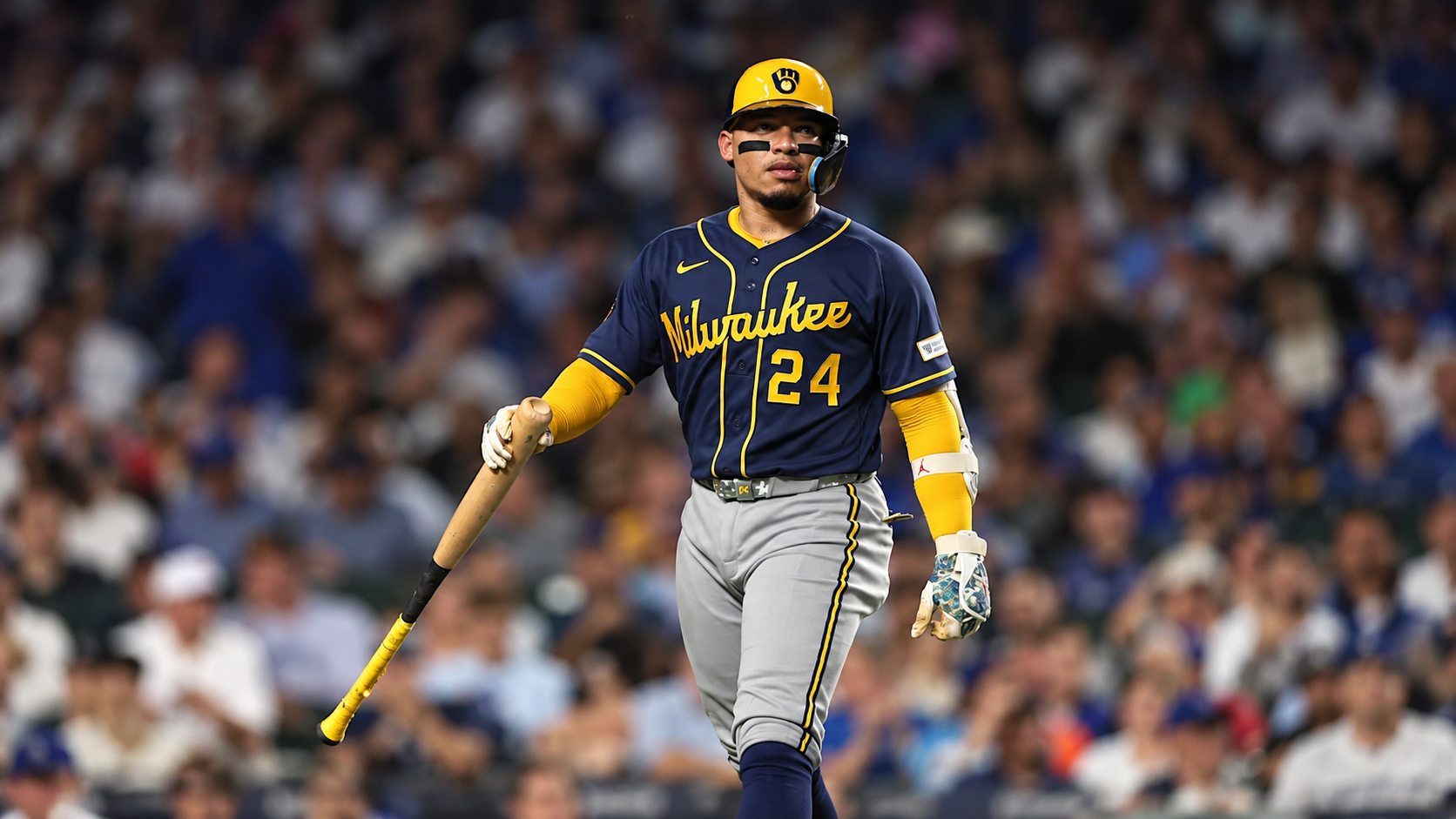
The Milwaukee Brewers waited 44 years to return to the World Series. Two games into their second appearance, they have taken a 2–0 lead over the Tampa Bay Rays and moved within two victories of the first championship in franchise history.
A four-run deficit in the first inning Saturday night did not survive Milwaukee’s response. The Brewers chipped away at Tampa Bay’s lead, pulled even on Sal Frelick’s sixth-inning home run and overtook the Rays on rookie Cooper Pratt’s RBI single in the seventh. Their 5–4 victory at American Family Field followed a 3–2 win in Friday’s opener, sending the National League champions to Florida with seven consecutive postseason victories.
Milwaukee has won nine of its 10 playoff games, seven after trailing. The latest comeback put the Brewers in a position their 1982 predecessors never occupied: ahead two games to none in the World Series, with an opportunity to secure the championship before another game is played in Wisconsin.
Game 3 is scheduled for Monday, October 26, at Tropicana Field in St. Petersburg. Left-hander Robert Gasser will start for Milwaukee against former Brewers ace Freddy Peralta. Television coverage begins at 8 p.m. Eastern, 5 p.m. Pacific, on FOX.
Saturday’s game turned on contributions throughout Milwaukee’s lineup. After Tampa Bay struck for four runs against rookie starter Logan Henderson, including Liam Hicks’ two-run homer, William Contreras and Garrett Mitchell delivered RBI singles in the bottom of the first. The Brewers reduced the deficit to one in the fourth, keeping the game within reach until Frelick drove a pitch over the center-field wall in the sixth.
An inning later, Brice Turang doubled and moved to third on Mitchell’s flyout. Pratt then sent a single into right field, bringing Turang home with the run that separated the teams.
Aaron Ashby recorded the final five outs. Tampa Bay advanced the potential tying run to third in the ninth, but Ashby struck out Yandy Díaz on a checked swing to end the game and preserve Milwaukee’s second consecutive one-run victory.
The Brewers arrived at this World Series after winning a franchise-record 103 regular-season games under manager Pat Murphy. They eliminated the San Diego Padres in four games in the National League Division Series, then swept the Los Angeles Dodgers in the National League Championship Series. That fourth victory over Los Angeles ended a pennant drought dating to a time when Milwaukee played in a different league, in a different ballpark, with a lineup that would define the franchise for decades.
The 1982 Brewers were American League champions, managed by Harvey Kuenn and powered by Robin Yount, Paul Molitor, Cecil Cooper, Gorman Thomas, Ben Oglivie and Ted Simmons. Their 216 regular-season home runs led the major leagues and supplied the foundation for the team’s enduring nickname, Harvey’s Wallbangers.
Their route to the World Series required a comeback of its own. Milwaukee lost the first two games of the best-of-five American League Championship Series to the California Angels, then won three straight. No team had previously overcome a two-games-to-none deficit to win a league championship series.
The Brewers carried that finish into the World Series opener at Busch Stadium, defeating the St. Louis Cardinals 10–0. Molitor collected five hits, setting a World Series single-game record, and Yount added four. Milwaukee had reached baseball’s championship round for the first time and opened it with a shutout and 17 hits.
St. Louis answered with victories in Games 2 and 3. Milwaukee recovered at County Stadium, winning the next two games to take a 3–2 series lead back to Missouri. One victory would have delivered the championship.
The Cardinals won Game 6, forcing a deciding seventh game on October 20, 1982. Milwaukee held a 3–1 lead in the sixth inning before St. Louis rallied, eventually winning 6–3. Yount batted .414 for the series, but the Brewers finished one victory short.
The franchise’s wait for another opportunity outlasted County Stadium and its years in the American League. Founded as the Seattle Pilots in 1969, the club moved to Milwaukee in 1970 after a group led by Bud Selig purchased it through bankruptcy proceedings. The Brewers remained in the American League through 1997, then joined the National League.
Their return to the World Series has placed a new generation alongside the names associated with 1982. This time, young starting pitchers and a heavily used bullpen have carried Milwaukee through October, supported by an offense that has repeatedly recovered from early deficits.
Jacob Misiorowski began Friday’s opener with a 103.5 mph fastball, establishing a World Series velocity record on his first pitch. Henderson followed him in Game 2. Gasser takes the mound Monday after allowing one run in nine innings across his first two postseason starts.
Veteran Brandon Woodruff offers another potential pitching option after joining the World Series roster in place of Chad Patrick. Shoulder problems have kept Woodruff out of game action since July 4, leaving his return to competitive pitching as one of Milwaukee’s unresolved questions entering the next stage of the series.
Ashby has supplied more immediate answers. His scoreless postseason continued through Saturday’s five-out save, while Abner Uribe earned the victory. Milwaukee’s relief pitching has repeatedly protected the narrow advantages its hitters have produced.
Now the Brewers must face Peralta, a former fixture in their rotation, with Tampa Bay trying to prevent a three-game deficit. Milwaukee reaches that matchup having won both World Series games by a single run, enough to turn its first championship appearance in 44 years into a two-game lead.
In 1982, the Brewers returned to St. Louis needing one victory and lost twice. On Monday, they take the field in St. Petersburg needing two victories, with as many as five games remaining to obtain them.