


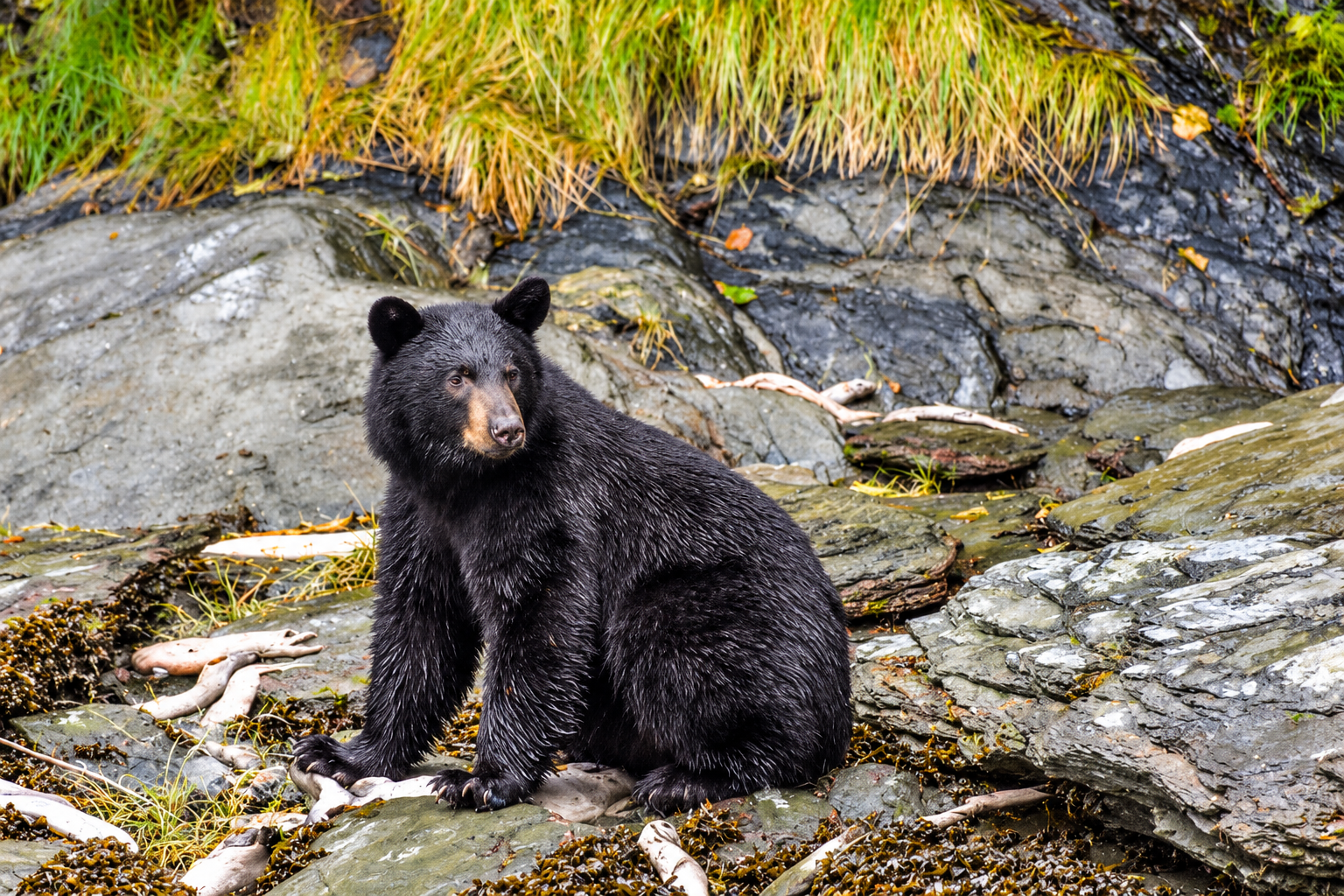
Fourteen black bears are dead and a surviving cub is awaiting possible placement in a zoo after wildlife officers discovered an extraordinary concentration of food-conditioned bears at a residential property north of Bozeman, a case that has brought new attention to the consequences that can follow when wild animals learn to depend on people for food.
Montana Fish, Wildlife & Parks game wardens and wildlife personnel went to the property Sept. 24 and 25 after receiving a report alleging that wild black bears were being provided supplemental food. What investigators encountered was far beyond an occasional bear passing through a residential neighborhood.
The animals had become heavily conditioned to human-associated food and accustomed to being around people. Wildlife officials determined that the bears had lost their normal avoidance of humans and were no longer relying on natural food sources as they ordinarily would in the wild.
Fourteen bears were captured and euthanized because their behavior was considered a threat to human safety. A fifteenth bear, a cub, was captured alive and transported to the Montana WILD facility in Helena. Wildlife officials are attempting to find a place for the cub at an accredited zoo, although permanent placement opportunities for wild bears are limited.
The sheer number of animals involved separates the Bozeman case from the more routine conflicts wildlife officers encounter in bear country. Removing 14 bears from one residential property is highly unusual, even in a state where interactions between people and bears are an established part of wildlife management.
The investigation into what caused so many bears to congregate at the property remains open. Authorities have not publicly identified a suspect or said whether investigators are examining the actions of one person or several people. The original report involved alleged supplemental feeding, and no finding of individual responsibility had been made public as the investigation continued.
Montana law prohibits providing supplemental feed to game animals, including bears. A conviction can carry a fine ranging from $50 to $1,000, up to six months in a county detention facility, or both. Hunting, fishing or trapping privileges can also be affected.
The deaths illustrate a wildlife-management problem that can begin with an act that may appear harmless: giving food to a wild animal.
Black bears are naturally opportunistic feeders capable of learning where food can be obtained with relatively little effort. Garbage, pet food, bird seed, outdoor cooking equipment, fruit trees and intentionally provided food can all attract bears into developed areas. Repeated success teaches an animal where to return.
That learned behavior can fundamentally alter the relationship between a bear and its surroundings.
A bear repeatedly obtaining food around houses may begin choosing residential areas over natural feeding grounds. At the same time, repeated contact with people can reduce the animal’s instinctive tendency to avoid them. Wildlife managers describe these related behaviors as food conditioning and human habituation.
The combination can become particularly dangerous. A bear no longer frightened by people and expecting food near homes may approach buildings, garbage containers, vehicles or people while searching for another meal. Bears can also enter houses, garages and other structures after learning that human development provides reliable food.
Moving such an animal into another forest does not necessarily erase what it has learned.
Relocated bears can travel significant distances, return toward familiar territory or begin searching for human-associated food in their new surroundings. Wildlife agencies therefore have considerably fewer options once the behavior becomes firmly established.
Rehabilitation presents similar difficulties. Unlike an injured young animal that may eventually be returned to the wild, an adult bear that has learned to associate people with food cannot simply be taught to forget that association. Permanent captivity is also rarely a practical solution. Zoos have limited space, and placing large numbers of adult wild bears in accredited facilities is generally not possible.
Those realities can leave euthanasia as the final management response when wildlife officers determine that a severely conditioned animal poses an unacceptable risk to people or property.
The Bozeman case involved black bears, but the underlying problem extends throughout bear country in the United States. Communities across the West routinely confront conflicts involving unsecured garbage, outdoor food, livestock feed, bird feeders and other attractants. Expanding residential development along forests and wildlife corridors has also increased the number of places where people and bears can encounter one another.
Montana has experienced other serious bear conflicts involving food this year. Wildlife managers in the Red Lodge area reported increasingly bold behavior among bears accessing human food, including animals approaching people and entering vehicles and homes. Several black bears there were euthanized during 2026 because their level of food conditioning created public-safety concerns.
Preventing the behavior before it becomes established remains one of the few ways communities can avoid that outcome.
Residents in bear country are encouraged to use bear-resistant garbage containers, secure pet food and livestock feed, remove or manage bird feeders and protect other potential food sources. Garbage left outdoors can be enough to begin a pattern if a bear repeatedly succeeds in obtaining food from the same location.
Early reporting can also determine how many options remain available. A bear that has recently begun investigating garbage presents a different management problem from one that has spent months repeatedly obtaining food around houses and becoming comfortable in the presence of people.
The surviving Bozeman cub now represents the only one of the 15 bears removed from the property that may have an alternative future. Whether an accredited zoo will have the capacity to accept the animal remains unresolved.
For the other 14 bears, there will be no return to Montana’s forests.
Their deaths were not the result of simply wandering too close to civilization. Wildlife officers found animals whose behavior had changed to the point that they were comfortable around humans and had abandoned normal feeding patterns in favor of food associated with people.
Investigators must now determine how that happened, whether Montana’s wildlife laws were violated and whether anyone will be held responsible for circumstances that ended with one of the largest single removals of food-conditioned black bears reported in the Bozeman area.