


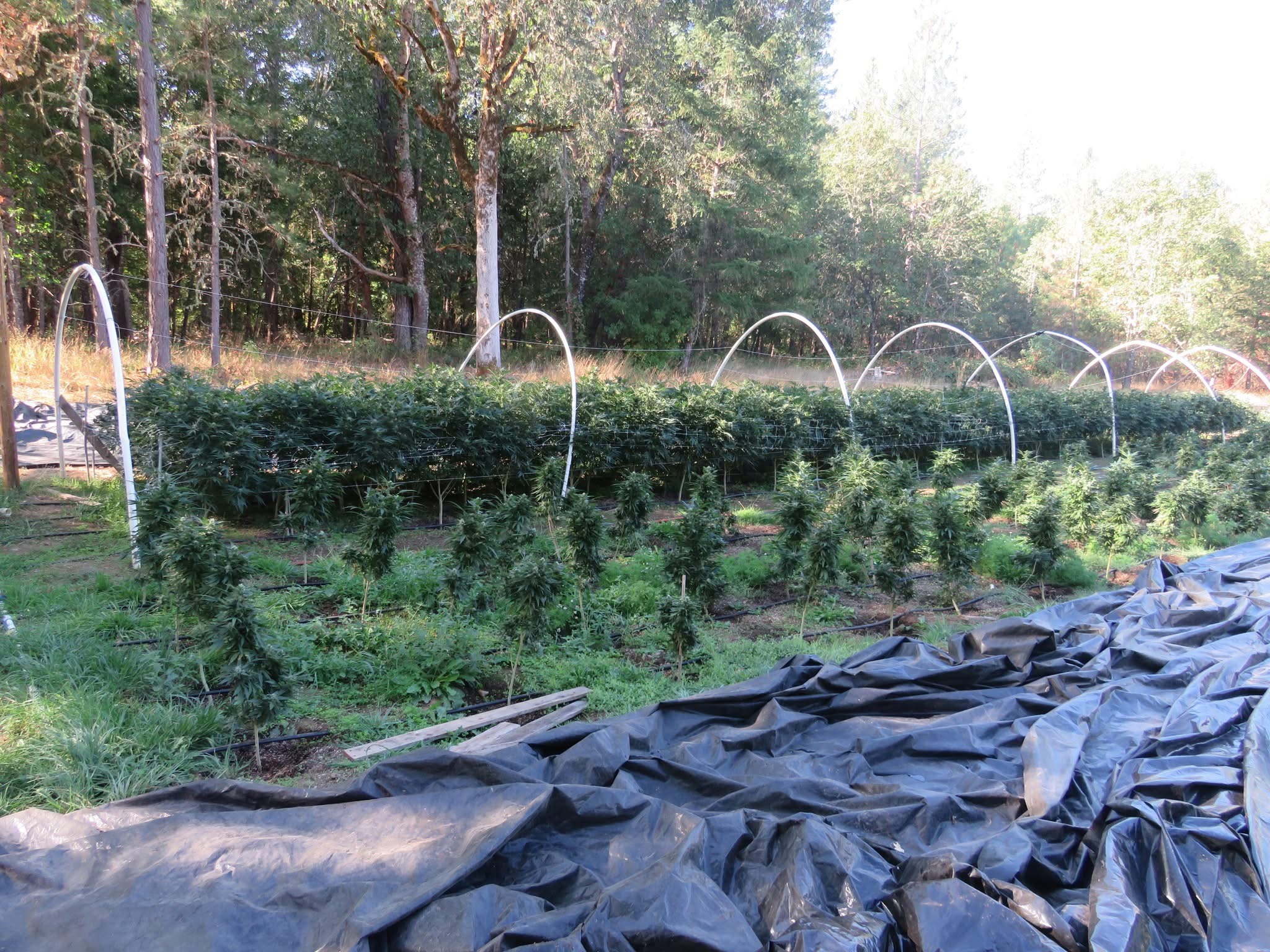
Josephine County authorities have confirmed the seizure and destruction of hundreds of marijuana plants and hundreds of pounds of processed marijuana following the execution of a search warrant in Cave Junction earlier this month. The enforcement action underscores the county’s ongoing battle with unlicensed cannabis operations, which officials say continue to burden rural communities with environmental hazards and code violations.
The Josephine Marijuana Enforcement Team, widely known as JMET, carried out the warrant on September 23, 2025, at a property located in the 5000 block of Holland Loop Road. According to the Sheriff’s Office, the raid was conducted with assistance from the United States Marshals Service and the Internal Revenue Service, agencies that often partner with local law enforcement in larger-scale operations.
Investigators reported finding an extensive illegal cultivation operation at the site. In total, approximately 600 pounds of processed marijuana were seized, along with 840 marijuana plants that were destroyed on scene. Beyond the marijuana itself, the property presented additional issues. Authorities documented multiple electrical, water, and solid waste code violations, conditions that have become common findings in unpermitted grow sites across the county. Officials say such violations pose fire risks, strain water resources, and leave behind significant environmental damage.
While the discovery was significant, law enforcement noted that the individuals believed to be responsible were not present at the property during the search. Investigators have not released the identities of the suspects, but if they are located, they are expected to face charges of unlawful manufacturing of marijuana and unlawful possession of marijuana under Oregon law. Both charges carry potential felony consequences, particularly at the scale described in this case.
The raid highlights a broader challenge for Josephine County and Southern Oregon as a whole. Since the legalization of recreational marijuana in Oregon, state and local officials have wrestled with how to regulate a booming industry while also confronting the persistence of illegal operations. Legal growers are required to obtain state licenses and adhere to strict regulations, but many unlicensed cultivators continue to operate outside the system, often in remote areas where enforcement is more difficult.
Josephine County has long been a hotspot for marijuana production due to its climate, geography, and rural land availability. But with that legacy comes continued tension between regulated businesses, community members, and unlawful growers who bypass oversight and create risks to neighbors and the environment. Law enforcement agencies such as JMET have become central players in addressing these concerns, frequently conducting raids with federal support when large or complex cases arise.
For now, authorities have not disclosed whether arrests are imminent or whether further investigation will lead to additional charges. The Sheriff’s Office has stated only that the suspects remain at large and that more information will be released if and when they are taken into custody.
The case serves as another reminder of the ongoing push and pull between Oregon’s regulated cannabis market and the entrenched presence of illegal cultivation operations. As Josephine County continues to dedicate resources to enforcement, residents are left to watch how these efforts shape the balance between public safety, environmental protection, and the economic realities of the region’s cannabis industry.