


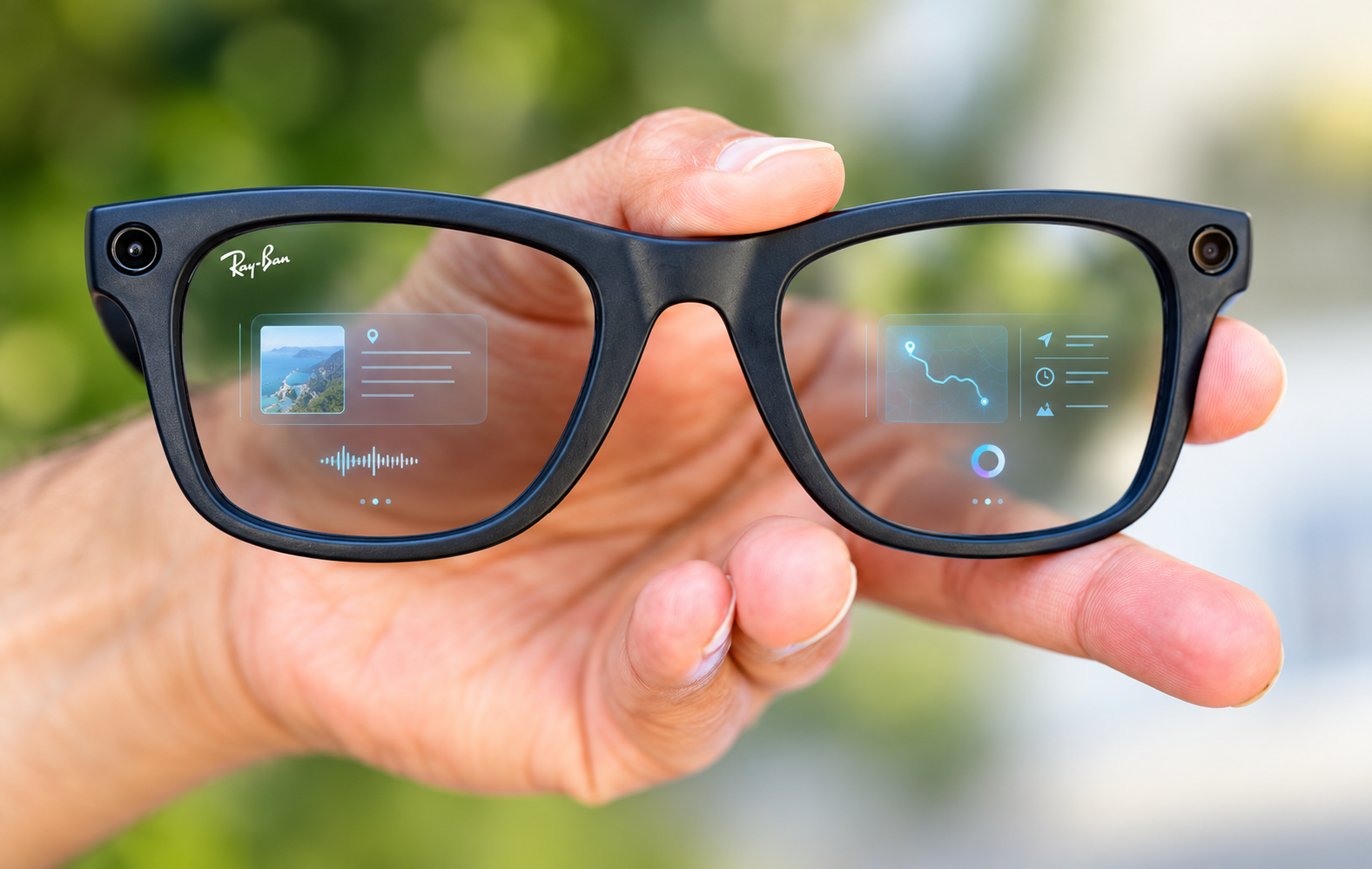
A pair of glasses can take a photograph without the familiar gesture of someone raising a phone. For Oregon’s senators, the questions now reaching Washington concern what happens next, who can see the image, how long it remains available and whether the people pictured ever agreed to become part of an artificial intelligence training system.
U.S. Sen. Ron Wyden of Oregon and Sen. Edward Markey of Massachusetts have asked Meta Chief Executive Officer Mark Zuckerberg to explain how the company protects people recorded by its AI-enabled glasses. Their inquiry, announced October 29, seeks internal assessments, contractor information and details about the handling of sensitive images. The senators requested answers by November 25.
The inquiry puts an everyday consumer product into a federal debate over privacy and corporate responsibility. The glasses allow wearers to take photographs and videos, listen to audio and use an AI assistant. Those functions also raise questions about people who enter the camera’s view without purchasing the product, opening an account or choosing its privacy settings.
Wyden and Markey are examining reports that footage captured by the glasses reached overseas contractors reviewing material for Meta’s AI systems. Their letter describes reported recordings of people undressing, using bathrooms and engaging in sexual activity, sometimes apparently without the knowledge of those depicted.
The senators also referenced litigation involving more than 70 plaintiffs alleging that sensitive footage, including images of children bathing or being changed, was disclosed to contractors without consent. Those claims remain allegations. The Senate inquiry does not establish that Meta violated the law.
The letter asks the company to account for privacy protections throughout the process, from the moment a camera activates to the storage, transmission, human review and possible use of an image in AI development.
For a person appearing in a recording, the potential exposure can extend beyond a video being posted publicly. The senators are questioning whether private material can be retained or reviewed for commercial AI development even when it never appears on social media.
Their requests include the identities of contractors and subcontractors authorized to access imagery, the countries where reviews take place and the agreements governing how that information can be used, retained or disclosed. They also want to know how Meta selects images for AI training and what safeguards prevent sensitive material from entering that process.
Meta has publicly described protections built into its glasses. In a July explanation, the company said photographs and videos captured for a wearer’s gallery remain privately stored on the glasses until the wearer imports or shares them. A white light signals gallery photography and video recording, and Meta said its safeguards disable the camera when blocking or tampering with that light is detected.
The senators are requesting information about the performance of those protections. Their questions address accidental camera activation, interference with recording indicators and camera-based AI interactions that do not activate the outward-facing indicator. They also ask how effectively the light alerts people in different conditions, including those with limited vision.
Another issue is the difference in control available to the person wearing the glasses and someone nearby.
The letter acknowledges that Meta recently introduced an option allowing wearers to prevent retention of visual data for AI training. Wyden and Markey question what corresponding protection exists for bystanders whose images may be processed without their consent. They want the company to explain whether both groups can request deletion of biometric and other personal information, how deletion is completed and what remedies are available when sensitive imagery has already been disclosed or used.
Oregon Sen. Jeff Merkley joined Wyden and Markey in an earlier inquiry in March concerning reported plans to integrate facial recognition into Meta’s glasses. That effort focused on identification and biometric information. The October inquiry broadens the examination of how camera-equipped eyewear affects people who may have no direct relationship with the company.
For Oregonians, the federal inquiry runs alongside existing state privacy protections. The Oregon Consumer Privacy Act gives residents rights over personal information held by covered businesses, including the ability to request access, correction, deletion and a copy of their data. It also provides a right to learn which specific third parties received personal information.
Covered businesses generally must obtain consent before processing information that meets the law’s definition of sensitive data. The Oregon Department of Justice enforces the statute and accepts complaints about suspected violations. Whether a particular recording or use of data violates the law depends on the circumstances and applicable provisions.
The next scheduled step in Washington is Meta’s requested November response. The senators are seeking records that would show what risks the company identified, what protections it implemented and how much control remains with the people whose private lives may pass through the lens.