


Oregon is advancing proposed rules that would require more extensive environmental planning and revise payments for cables, pipelines and other infrastructure occupying the state-owned ocean floor, with consequences for coastal development, commercial fishing and marine resources along the entire coastline.
The Department of State Lands has reopened public comment on the proposal through November 2 at 5 p.m. The changes would govern infrastructure easements in Oregon’s territorial sea, which extends from the shoreline to three nautical miles offshore, approximately 3.45 land miles. That jurisdiction includes waters off Coos and Curry counties, placing Southern Oregon’s coastal communities within the proposed regulatory framework.
Companies seeking permission to use the seafloor would face more detailed application requirements addressing marine resources, existing ocean uses, potential environmental effects, emergency response and the eventual retirement of infrastructure. The proposal also would revise how the state calculates compensation for the use of publicly owned submerged land.
The department anticipates bringing the rules before the State Land Board on December 8. If adopted, the changes and associated fees are expected to take effect in January 2027.
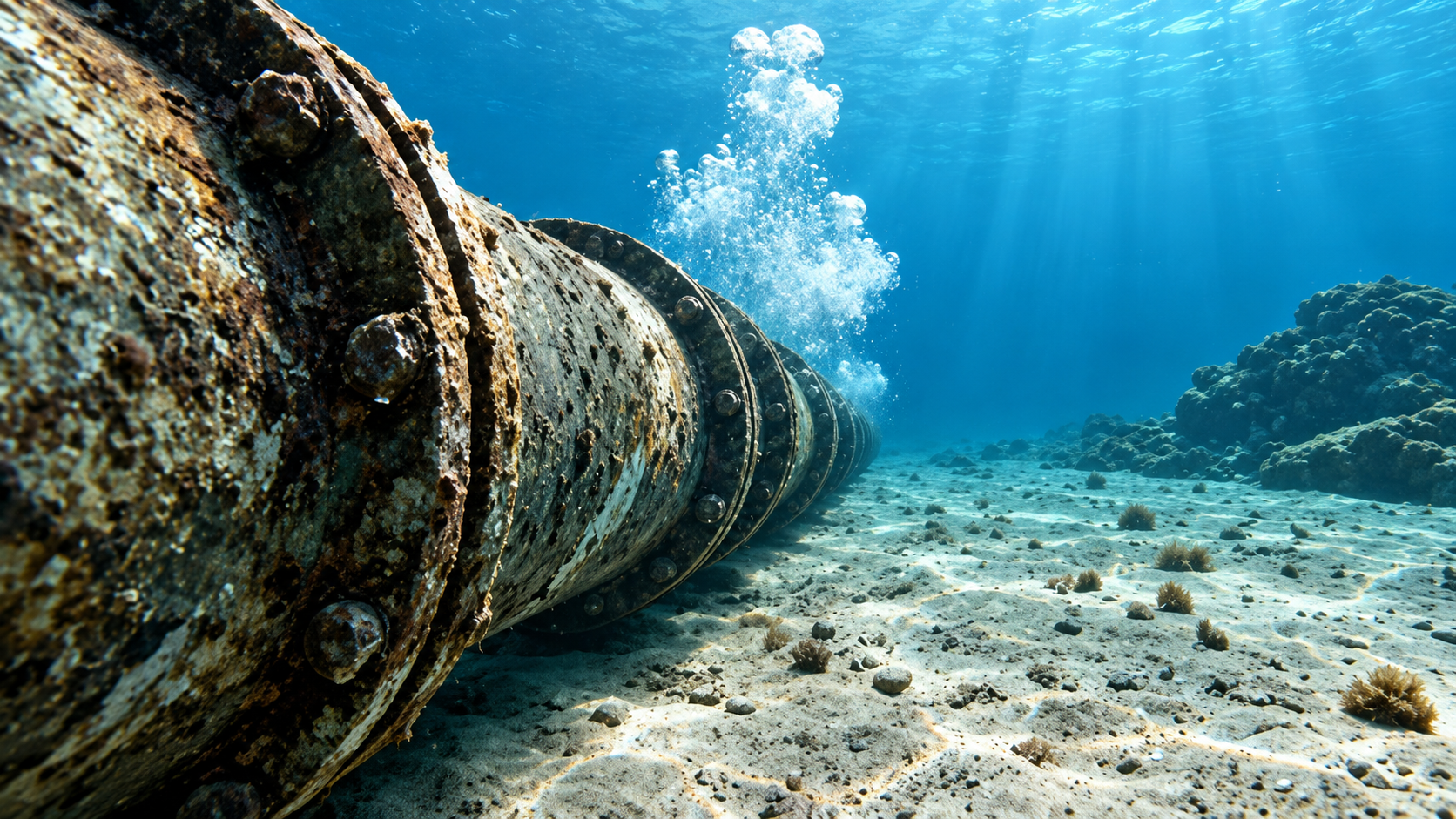
The proposed requirements cover infrastructure placed on, attached to or buried beneath the seafloor. Fiber-optic telecommunications cables already carry international data across the Pacific and connect to Oregon’s coast. Other infrastructure subject to state review can include power transmission cables and pipelines.
Oregon’s administrative rules governing territorial sea easements have not undergone a comprehensive update in approximately 25 years. During that period, undersea technology has expanded to include cables capable of supporting both telecommunications and ocean monitoring.
Senate Bill 793, approved in 2025, directed the department to establish application fees, renewal fees and compensation rates for territorial sea infrastructure easements. Application and renewal fees are intended to cover the department’s administrative costs, while compensation addresses the authorized occupation of public seafloor.
October revisions would adjust compensation formulas according to infrastructure diameter and add a 5 percent surcharge to support restoration activities within Oregon’s territorial sea through an existing waterway enhancement grant program. The revisions also would allow a two-year temporary easement to facilitate the transfer of certain existing underground conduits to a department-approved potential user for reuse.
For Southern Oregon’s coast, the proposed review requirements would apply to decisions about infrastructure routes through marine habitat and waters used by commercial fishing vessels and other ocean users. Oregon’s existing seafloor policies already direct agencies to avoid or reduce conflicts with fishing and protect marine resources when considering infrastructure placement.
Applicants would be required to document resources and uses within a proposed project area and evaluate potential effects. Decommissioning plans would address infrastructure at the end of its operational life, while emergency response plans would establish procedures for responding to problems during its use.
Earlier coordination through pre-application meetings and a joint agency review process would help identify information needs and potential conflicts before an application reaches formal review. The process would bring together agencies whose responsibilities can overlap when a project crosses the ocean floor, beach and adjoining uplands.
County and city governments would continue to review proposed activities within their land-use authority. A cable coming ashore, for example, can require local approval for the portion extending inland above the beach vegetation line. Most undersea infrastructure projects also require a state removal-fill permit, and additional approvals may be necessary for beach alterations and water quality protection.
Separate from the easement rules, Oregon’s Ocean Policy Advisory Council is reviewing foundational portions of the Territorial Sea Plan, the framework agencies use to coordinate ocean resource management. That effort addresses the plan’s ocean management and resource-use decision provisions, including consideration of climate change, ocean acidification and low-oxygen conditions.
First adopted in 1994, the Territorial Sea Plan has been amended as ocean uses and management needs have changed. Its rocky habitat and seafloor-use sections were updated in 2023.
Federal authority adds another layer when infrastructure extends beyond Oregon’s territorial waters. The federal Outer Continental Shelf begins at the state’s offshore boundary, and the Bureau of Ocean Energy Management administers offshore energy and mineral development under federal law. Infrastructure connecting an offshore development to Oregon can therefore require federal review alongside state authorization for the segment crossing Oregon-owned seafloor.
For inland Southern Oregon residents, the proposal’s reach concerns the coastal infrastructure supporting communications and potentially carrying electricity, together with the public marine resources governed by the state. The proposed compensation requirements apply to infrastructure easement holders rather than establishing a direct household charge.
Written comments on the revised rules must reach the Department of State Lands by November 2 at 5 p.m. The State Land Board would consider adoption after the department reviews the submissions, with another opportunity for public testimony when the proposal comes before the board.