


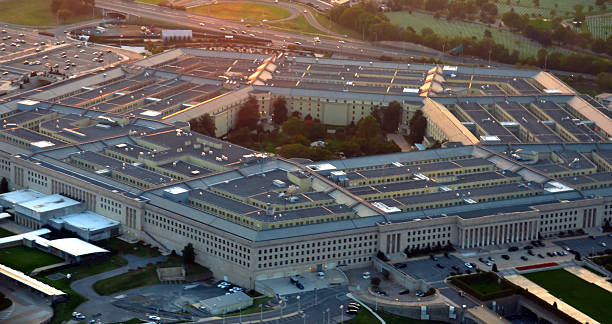
A security breach inside one of the Pentagon’s largest personnel information systems exposed Social Security numbers and other sensitive records belonging to U.S. military personnel, triggering a federal investigation into an intrusion that remained undetected for months and may ultimately involve millions of Defense Department records.
The breach struck a file-sharing system operated by the Defense Manpower Data Center, the Pentagon organization responsible for maintaining extensive personnel information tied to military service and the broader Department of Defense community.
Unauthorized users began accessing files on a vulnerable server in October 2025. The activity continued until the Defense Manpower Data Center discovered the security vulnerability on July 16, 2026, leaving the affected system potentially exposed for approximately nine months.
An examination launched after the discovery found that files containing unencrypted personally identifiable information had been accessed. The compromised material included Social Security numbers alongside additional identifying information that, depending on the individual record, could include names, dates of birth, contact information, sex, race and military personnel information. Some records also contained military occupational specialty information.
The Pentagon has not publicly established the final number of people affected. Two people familiar with the incident have placed the potential figure at approximately four million Defense Department personnel, although that estimate has not been officially confirmed.
That figure represents only an estimate of potentially affected personnel and not the full scope of information maintained by the Defense Manpower Data Center. DMDC holds more than 60 million Defense Department records involving military and civilian personnel, contractors, family members, retirees and veterans. No evidence released publicly has established that all of those records were accessed.
Federal investigators also have not publicly identified who entered the system.
No federal agency has attributed the intrusion to a foreign government, criminal organization, insider or other specific actor. There has been no public determination linking the breach to China, Russia or another foreign government. Investigators are working to determine precisely what information was reached, how extensively the system was accessed and who was responsible.
The Defense Department has reported no indication that the personal information identified in its notification has been misused. Investigators have not publicly determined whether information was copied, retained, transferred or distributed after the files were accessed.
DMDC patched the vulnerability after discovering the breach and restored the affected system. Defense officials are also examining department systems for additional vulnerabilities or evidence of unauthorized access.
The exposure carries consequences beyond those typically associated with a commercial data breach because the compromised records involve people connected to the U.S. military.
Social Security numbers combined with dates of birth, contact information and other identifiers can expose individuals to identity theft and financial fraud. When military personnel information is included in the same compromised records, the breach takes on an additional counterintelligence dimension.
Military occupational specialties can identify professional training, technical expertise and roles held within the armed forces. Combined with commercial databases, public records, previous data breaches and information available online, those records could provide enough detail to construct targeted profiles of individual service members and others associated with the Defense Department.
That information could also be used in highly targeted phishing or social-engineering operations built around legitimate personal details. For military personnel, the potential exposure extends further when records identify people with specialized training, technical responsibilities or connections to sensitive military environments.
The breach also places another major compromise of federal personnel information alongside the government’s experience with the Office of Personnel Management cyberattack disclosed in 2015, although the two incidents involved different systems and substantially different categories of information.
The OPM breach compromised federal background-investigation records involving approximately 21.5 million people. Those files contained extensive personal histories assembled through the federal security-clearance process, including employment and residential information, foreign contacts, financial histories and other material collected during background investigations.
Information publicly identified in the current DMDC breach has not been shown to include that same depth of security-clearance material.
The latest incident nonetheless places another major federal personnel repository at the center of a cybersecurity investigation. DMDC serves as a central Defense Department resource for identifying, authenticating and maintaining information about people during and after their affiliation with the department, giving the organization responsibility for records extending far beyond the active-duty military.
Its systems support military members, civilian employees and other members of the Defense Department community, placing substantial amounts of personal and administrative information within the Pentagon’s personnel infrastructure.
The presence of Social Security numbers among the compromised information presents a continuing concern for affected personnel because those identifiers cannot simply be reset in the same manner as passwords or access credentials. Individuals whose information was exposed could face long-term risks involving fraudulent accounts, identity theft and other unauthorized uses of their personal information.
The Defense Department is providing affected individuals with one year of credit monitoring and identity-restoration services through IDX, a private company contracted by the department. Notifications began reaching individuals after investigators identified information contained within the compromised files.
The investigation is also examining how unencrypted personally identifiable information remained accessible through the affected file-sharing system and how unauthorized users were able to reach files for months before the vulnerability was detected.
The Pentagon maintains cybersecurity programs covering continuous monitoring, auditing, security engineering and incident response across DMDC operations. Investigators are now working to determine how the vulnerable system was penetrated, whether additional systems were reached and whether compromised information left Defense Department control.
The full dimensions of the breach have not yet been established.
Federal officials have not publicly confirmed the approximately four-million-person estimate, identified the individual or organization responsible for accessing the server, or determined publicly whether the compromised information was subsequently distributed or exploited.
Those findings will determine the ultimate scope of an intrusion that has already exposed sensitive personnel information from within one of the Defense Department’s major data repositories and left millions of potentially affected military personnel awaiting a clearer accounting of what information was reached.
For current and former military personnel, veterans, civilian employees and others whose records may have been stored within the affected environment, the federal investigation now centers on three central questions: whose information was exposed, precisely what information was obtained and what happened to that data during the months the vulnerable system remained accessible.