


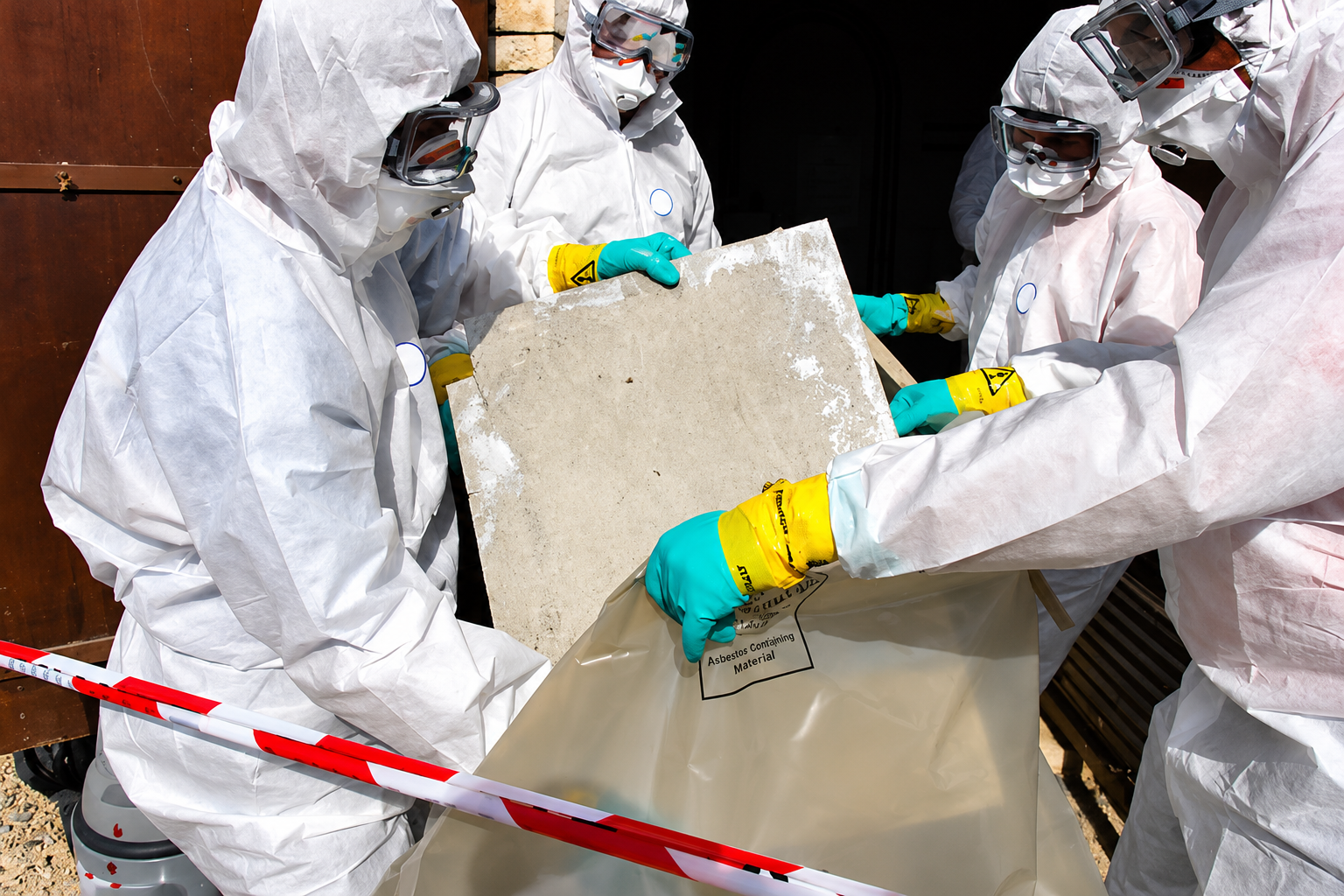
Two Central Point construction businesses are facing a combined $26,076 in environmental penalties involving asbestos regulations, placing Southern Oregon among the regions in a statewide enforcement report documenting more than $152,000 in civil fines against private businesses and municipal governments.
The Oregon Department of Environmental Quality issued nine enforcement actions during September 2026, with penalties totaling $152,496. The enforcement record, made public October 26, identifies violations involving asbestos, wastewater management, underground fuel storage tanks, stormwater discharges, solid waste permitting and water quality certification requirements.
In Jackson County, Christian Massey Construction received a $5,400 penalty involving asbestos regulations, while Lallo Pipeline Inc. received a substantially larger penalty of $20,676 under the same regulatory category. Both companies are listed as operating in Central Point, making the enforcement actions particularly relevant to Southern Oregon’s construction industry and the environmental safeguards governing renovation, demolition and other activities involving potentially hazardous building materials.
Asbestos remains a regulated environmental and occupational health concern because microscopic fibers released from certain construction materials can become airborne when those materials are improperly disturbed, damaged or removed. Exposure to asbestos has been associated with serious respiratory diseases, including asbestosis, lung cancer and mesothelioma. Federal and state regulations establish requirements for identifying, handling, removing and disposing of asbestos-containing materials to reduce the possibility of exposure.
Oregon maintains asbestos-related requirements governing construction and demolition activities, including circumstances requiring advance notification, appropriate handling procedures and disposal at authorized facilities. These protections are particularly relevant to work involving older buildings, where asbestos-containing insulation, flooring, roofing materials and other construction products may remain present.
The September enforcement report identifies the two Central Point businesses and their respective penalties but does not specify the properties involved, the dates of the underlying activities or the particular regulatory provisions cited in each case. The statewide summary also does not establish whether asbestos fibers were released, whether members of the public were exposed or whether environmental contamination occurred. Those determinations require examination of the individual enforcement notices and supporting records.
The two Southern Oregon penalties represent approximately 17 percent of the total dollar amount assessed statewide during September. Although both involve asbestos regulations, the separate penalty amounts do not, by themselves, establish the extent of any environmental damage or the circumstances surrounding either company’s alleged violations.
Beyond Jackson County, the remaining seven enforcement actions demonstrate the range of environmental responsibilities imposed on businesses, industrial operations and local governments throughout Oregon.
The largest individual penalty was assessed against Elgin Chevron LLC in the eastern Oregon community of Elgin. The business received a $35,083 civil penalty involving underground storage tanks, which are subject to environmental regulations intended to prevent petroleum products from escaping into surrounding soil and groundwater.
Underground fuel storage systems require appropriate maintenance, monitoring and compliance measures because leaks can remain undetected below ground and potentially affect groundwater resources. State and federal regulations establish requirements for leak detection, equipment maintenance, inspections and corrective action when necessary. The September enforcement summary identifies underground storage tank compliance as the basis for the Elgin penalty but does not establish that an actual petroleum release occurred.
In Eugene, Pacific Recycling Inc. received a $25,887 penalty involving solid waste regulations. The enforcement report identifies operation without a required solid waste permit among the violations addressed during September. Oregon’s solid waste permitting system regulates facilities that receive, process, store or otherwise manage certain waste materials, establishing operating requirements intended to protect surrounding communities and environmental resources.
The City of Eugene also received a separate $23,400 penalty involving water quality certification requirements associated with a stream restoration project. The enforcement action concerns requirements under Section 401 of the federal Clean Water Act, which allows states to evaluate whether federally authorized activities affecting waterways comply with applicable water quality standards.
Water quality certification is an important component of environmental oversight for construction and restoration projects involving rivers, streams, wetlands and other regulated waters. Certification conditions can address sediment movement, construction practices, water quality protection and other requirements associated with work in or near aquatic environments.
Municipal wastewater systems accounted for additional enforcement actions during September. The City of Clatskanie received a $10,400 penalty involving wastewater regulations, while the City of Sumpter received a $3,600 penalty under the same regulatory category.
Septic Medic Inc., based in The Dalles, received a $14,850 wastewater-related penalty. Wastewater regulations govern the collection, treatment, management and discharge of wastewater, with requirements intended to prevent improperly managed waste from contaminating surface waters, groundwater and surrounding property.
Another enforcement action involved Tapani Inc. in Clatskanie, which received a $13,200 penalty associated with stormwater regulations. Stormwater requirements are particularly important for construction and industrial activities where rainfall can transport sediment, chemicals, petroleum residues and other pollutants from disturbed surfaces into nearby drainage systems and waterways.
Together, the nine penalties cover several distinct environmental programs, reflecting the responsibilities of private contractors, industrial facilities, fuel retailers and municipal governments operating under Oregon’s environmental laws.
The Department of Environmental Quality administers these requirements through a combination of permitting, inspections, compliance assistance, warnings and formal enforcement proceedings. Its regulatory responsibilities include protecting air quality, maintaining water quality standards, overseeing waste management and addressing contamination that may threaten public health or natural resources.
The state’s enforcement authority also operates within a broader federal environmental framework. The Clean Air Act, Clean Water Act and Resource Conservation and Recovery Act establish national environmental requirements, while Oregon administers numerous regulatory programs under state law and federally approved arrangements.
The U.S. Environmental Protection Agency maintains oversight responsibilities for applicable federal programs, although the September penalties were issued by Oregon’s Department of Environmental Quality as state civil enforcement actions. The report does not identify separate federal criminal proceedings or additional EPA penalties against the nine entities.
Under Oregon’s administrative enforcement procedures, recipients generally have 20 days after receiving a civil penalty notice to pay the assessed amount or pursue an appeal. The date a penalty is issued and the date the recipient receives formal notice may differ, meaning the applicable appeal deadline is determined by the notice process rather than the publication date of the monthly enforcement report.
Civil penalties are not criminal convictions, and the issuance of a penalty does not eliminate a recipient’s right to contest the allegations through the administrative process. The September report does not establish that every penalty has been paid, that every recipient has accepted the findings or that the administrative proceedings have reached a final resolution.
Depending on the circumstances, enforcement orders may also require businesses or governments to complete corrective measures intended to resolve existing violations or prevent additional environmental harm. Such requirements can operate separately from the financial penalties assessed.
Oregon also maintains a supplemental environmental project program through which qualifying recipients may be permitted to direct a portion of their penalty obligations toward approved projects that provide environmental benefits. These arrangements are subject to state approval and do not automatically apply to every enforcement action.
For Southern Oregon, the two Central Point asbestos cases bring particular attention to regulatory obligations associated with construction activities in Jackson County and neighboring communities, including Grants Pass and other areas of Josephine County. Contractors performing work involving older structures must account for asbestos requirements when applicable, regardless of whether a project involves a residential property, commercial building or larger redevelopment.
The regional significance of the September actions rests in the documented enforcement of those requirements rather than any unconfirmed environmental consequences. Neither Central Point penalty, as identified in the statewide summary, establishes that residents were exposed to asbestos or that contamination spread beyond a construction area.
The September figures also provide a measurable account of statewide enforcement activity. Individual fines ranged from $3,600 to $35,083, with the largest penalties associated with underground storage tanks, solid waste compliance and water quality certification. The two Central Point businesses were the only Southern Oregon entities identified among the nine September actions.
Oregon’s environmental enforcement process extends beyond financial penalties. Businesses and government agencies remain responsible for complying with applicable regulations, addressing violations when required and maintaining environmental protections during routine operations and construction activities.
As the September enforcement cases proceed through payment, appeal or corrective action requirements, the final administrative outcomes will determine how the penalties are resolved. For Christian Massey Construction and Lallo Pipeline Inc., the confirmed record currently establishes two asbestos-related civil penalties totaling $26,076, part of a broader statewide enforcement effort addressing environmental compliance across Oregon’s construction, industrial and municipal operations.