


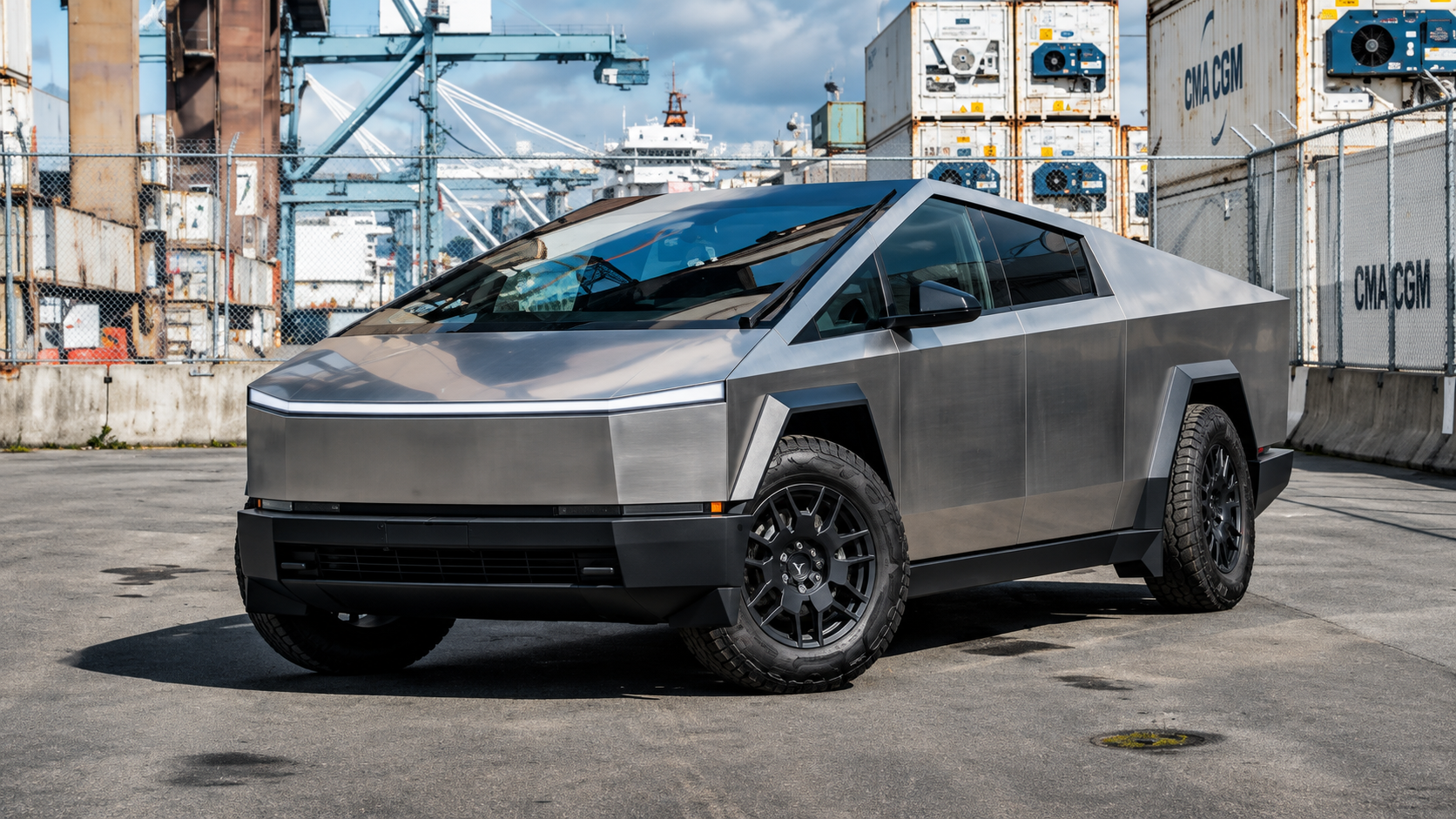
Tesla plans to build its last Cybertrucks in Texas around June or July 2027, ending a production run that began in late 2023 and fell far short of the sales volume Elon Musk once envisioned. The company will dismantle the pickup’s assembly line at its Austin factory to expand production of the Cybercab, a vehicle designed for driverless taxi service.
Tesla intends to increase Cybertruck output before the shutdown to fill as many outstanding orders as it can. Musk said Monday that orders were coming in faster than the factory could build the trucks and that many customers would receive their deposits back. Tesla has announced no plans to build the pickup at another factory.
The rush to fill those orders comes after a year of falling sales. Motor Intelligence estimates that about 11,600 Cybertrucks were sold through September, down 28 percent from the same period in 2025. Musk once projected annual production could reach 250,000 trucks. Tesla’s latest quarterly update listed the Austin line’s annual production capacity at more than 125,000.
The sales figures also include a sizable purchase from another Musk-led company. SpaceX bought $131 million worth of Cybertrucks at list price in 2025, according to a federal filing. Tesla groups the pickup with other vehicles in its quarterly delivery reports, leaving outside estimates to provide a model-by-model view of sales.
Tesla unveiled the Cybertruck in 2019, when major automakers were beginning to bring battery power to the American pickup market. Tesla’s entry had an angular stainless-steel body that was immediately recognizable on the road. Customer deliveries began four years later, putting the truck on sale alongside electric pickups from companies that had spent decades building conventional trucks and from newer competitors such as Rivian.
The Cybertruck outsold electric pickups from Ford and General Motors this year, even as its own sales declined. Ford has moved to discontinue the current all-electric F-150 Lightning. The pullbacks show how difficult it has been for manufacturers to build a high-volume business around large electric pickups, even in a country where conventional trucks rank among the best-selling vehicles.
Large pickups need substantial battery packs, which add to the price. Towing a trailer or hauling a heavy load can cut driving range, making charging stops more consequential on long trips. Automakers have had to balance those costs and limitations against the towing, hauling and range that buyers expect from a full-size truck. For Tesla, the Cybertruck also required a dedicated production line for a vehicle whose body and construction differed from the rest of its lineup.
Musk disputed that Tesla was ending production because the Cybertruck was unprofitable. He said the complexity of building the pickup weighed against the value Tesla sees in making more Cybercabs. The change gives the robotaxi a larger share of the Austin factory as Tesla prepares to end production of its first pickup less than four years after customer deliveries began.
The factory’s final months will be spent working through a backlog Tesla expects to outlast the assembly line. The company has yet to say how many more trucks it expects to build or how many deposits it will return. Customers still waiting for a Cybertruck face a midyear cutoff as Tesla prepares to dismantle the line that built it.