


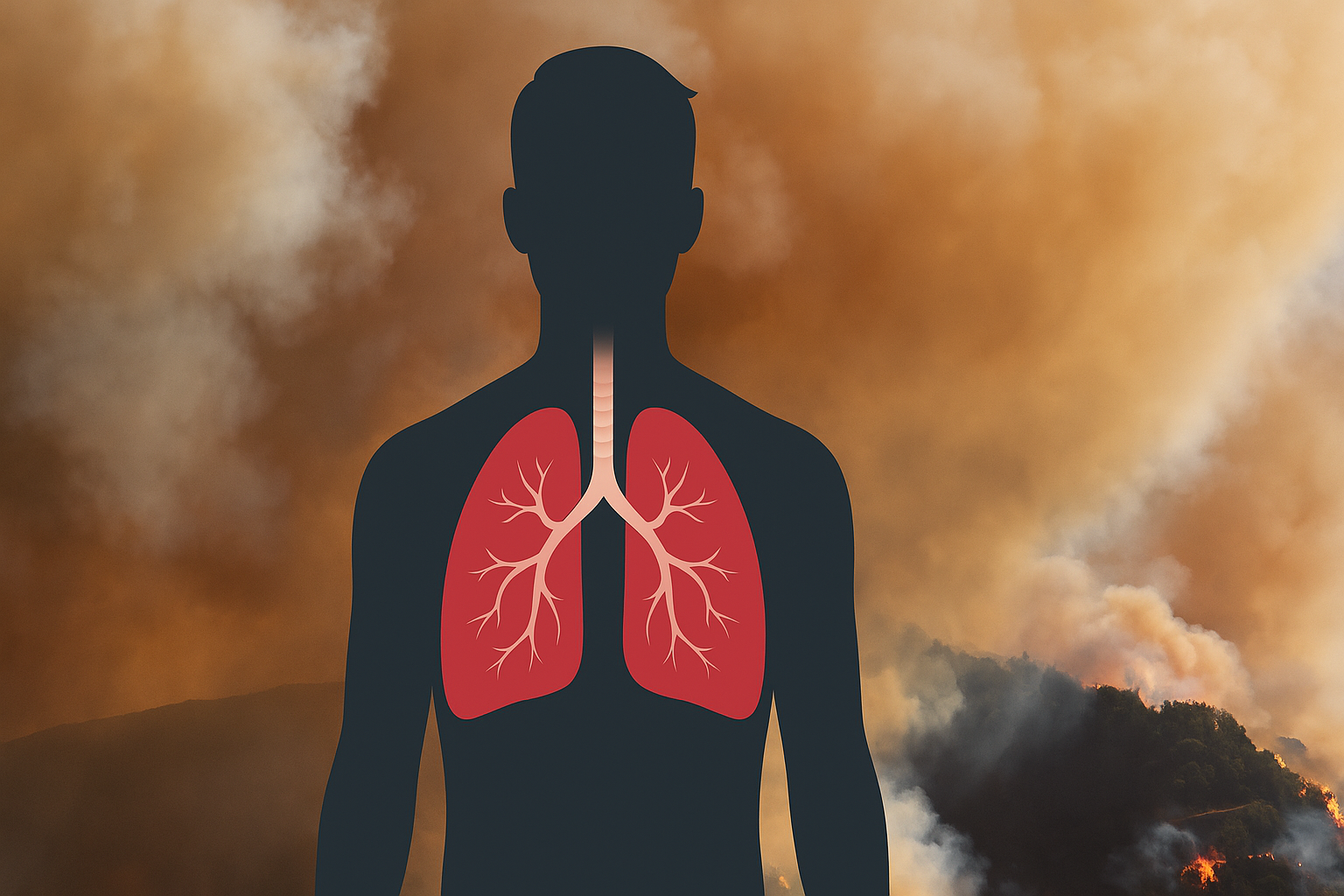
As wildfire season settles over Southern Oregon, smoke-filled skies become a familiar and dangerous sight. While staying indoors with windows shut is often the first line of defense against poor air quality, it’s not always practical or enough. Prolonged exposure to wildfire smoke can cause serious irritation to the respiratory system, aggravate existing conditions such as asthma and COPD, and increase the risk of heart and lung complications. In regions like Southern Oregon—where summer often brings weeks of haze and airborne particles—it’s critical to adopt a proactive approach to lung health that extends beyond the walls of your home.
The first step in protecting your respiratory system is understanding how wildfire smoke affects the body. Smoke contains a complex mix of gases and fine particulate matter, known as PM2.5, which are tiny enough to travel deep into the lungs and even enter the bloodstream. While masks can offer some protection when venturing outside, they are not a cure-all. N95 masks can filter fine particles if worn correctly, but many people either can’t access them regularly or find them difficult to wear for extended periods. Fortunately, there are additional strategies to help minimize smoke-related damage to the lungs.
One effective approach is to improve indoor air quality beyond just shutting windows. Using high-efficiency air purifiers with HEPA filters can significantly reduce indoor pollutants. Placing these devices in common areas or bedrooms ensures cleaner air where it matters most. Creating a single clean room within the home—an enclosed space with an air purifier and damp towels or cloths placed at door thresholds—can offer a reliable refuge during peak smoke hours.
Hydration also plays a major role in maintaining healthy lungs. Drinking plenty of water helps thin mucus in the lungs, making it easier to expel trapped irritants. Warm liquids such as herbal teas can soothe the respiratory tract and promote lung drainage. Breathing exercises, especially those designed to strengthen the diaphragm and clear out stale air from the lungs, may also help enhance lung function during smoky conditions.
When spending time outdoors cannot be avoided, timing and preparation are essential. Avoid outdoor activities during the morning and evening hours when smoke tends to settle closer to the ground. Midday often sees slight improvements in air quality as temperatures rise and air circulation improves. Monitoring local air quality indexes through reliable sources and planning errands or exercise accordingly can limit unnecessary exposure.
Another overlooked method to aid lung health is through nutrition. A diet rich in antioxidants—especially from fruits and vegetables like leafy greens, berries, and citrus—can support the body’s natural defenses. Vitamins C and E are known to help reduce inflammation and support lung tissue repair, providing another layer of protection against the oxidative stress caused by smoke inhalation.
Ultimately, wildfire season is not just an environmental hazard but a public health concern. Protecting your lungs during these challenging months requires daily attention, not just reactive measures. By combining smart indoor habits, hydration, nutrition, and mindful outdoor behavior, residents of Southern Oregon can breathe a little easier—even when the skies are filled with smoke.