


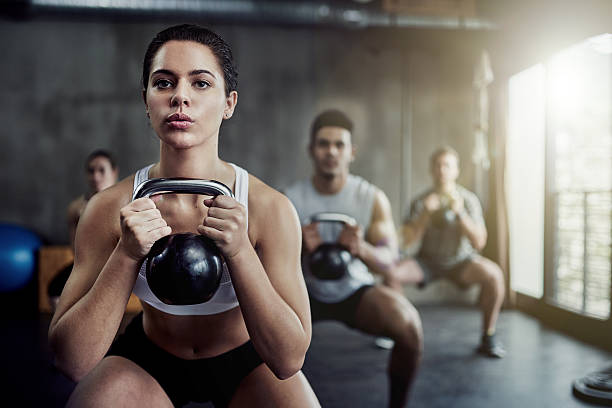
Kettlebells have become an increasingly popular fitness tool for individuals seeking efficient, full-body workouts that can be done in almost any environment. These cast-iron or steel weights, shaped like a cannonball with a handle, offer a unique form of resistance training that combines strength, cardiovascular endurance, and flexibility. While their appearance may be simple, kettlebells are powerful tools that can help build muscle, burn fat, and enhance overall physical performance when used properly.
The appeal of kettlebells lies in their versatility. Unlike traditional dumbbells that often isolate specific muscle groups, kettlebell exercises typically engage multiple muscle groups at once. This dynamic form of training can improve functional strength, which translates into better performance in daily tasks and sports. Movements like kettlebell swings, goblet squats, Turkish get-ups, and snatches demand coordination, core stability, and muscular endurance, making kettlebells especially effective for time-efficient workouts.
One of the primary advantages of kettlebell training is its adaptability. Kettlebells can be incorporated into strength training routines, high-intensity interval training (HIIT), mobility sessions, and even rehabilitation programs. This flexibility makes them suitable for beginners and advanced athletes alike. For those with limited time or space, kettlebells can serve as a complete gym in one compact piece of equipment.
Proper use of kettlebells is essential to prevent injury and ensure effectiveness. Beginners should focus on mastering foundational movements and form before progressing to more complex exercises. The kettlebell swing, for example, is a cornerstone of kettlebell training that emphasizes explosive hip power and posterior chain engagement. When performed correctly, it targets the glutes, hamstrings, lower back, and core. Form errors, such as excessive knee bending or lifting with the arms rather than using hip thrusts, can reduce the benefits and lead to strain. Instruction from a certified trainer or the use of guided tutorials is recommended when starting out.
Weight selection is another important factor in kettlebell training. Weights typically range from as low as five pounds to over seventy pounds, depending on the user’s strength level and exercise goals. Lighter weights are suitable for beginners and mobility work, while heavier kettlebells may be used for strength-building movements. Many individuals opt to purchase two or three kettlebells in different weights to allow for a broader range of exercises and progression.
Kettlebells are widely available for purchase both online and in retail stores. Sporting goods stores, department stores with fitness sections, and online retailers offer a variety of styles and materials, including traditional cast iron, rubber-coated options for floor protection, and adjustable models that allow users to change the weight in a single unit. Prices vary depending on the weight and brand, with many affordable options starting at around $25.
For those who work from home or have limited access to a gym, kettlebells offer an excellent solution for staying active. Compact and portable, they can be stored easily and used in small spaces, such as a living room, garage, or office. Short, focused workouts using kettlebells can be highly effective, even when limited to ten or fifteen minutes. Exercises like kettlebell deadlifts, presses, and squats can be performed without specialized flooring or equipment, making them ideal for at-home or office fitness routines.
Additionally, kettlebell training can be adapted to support different fitness goals, including weight loss, muscle toning, strength development, and cardiovascular health. Because many kettlebell exercises raise the heart rate while simultaneously building strength, they are particularly useful for individuals seeking to combine cardio and resistance training in a single session.
Overall, kettlebells represent a functional, accessible, and time-efficient approach to fitness. With proper form, a thoughtful progression plan, and a few pieces of quality equipment, kettlebell workouts can fit seamlessly into almost any lifestyle. Whether in a home gym, a professional training facility, or an office corner, kettlebells offer a practical way to stay fit and healthy without the need for bulky machines or extended workout sessions.