


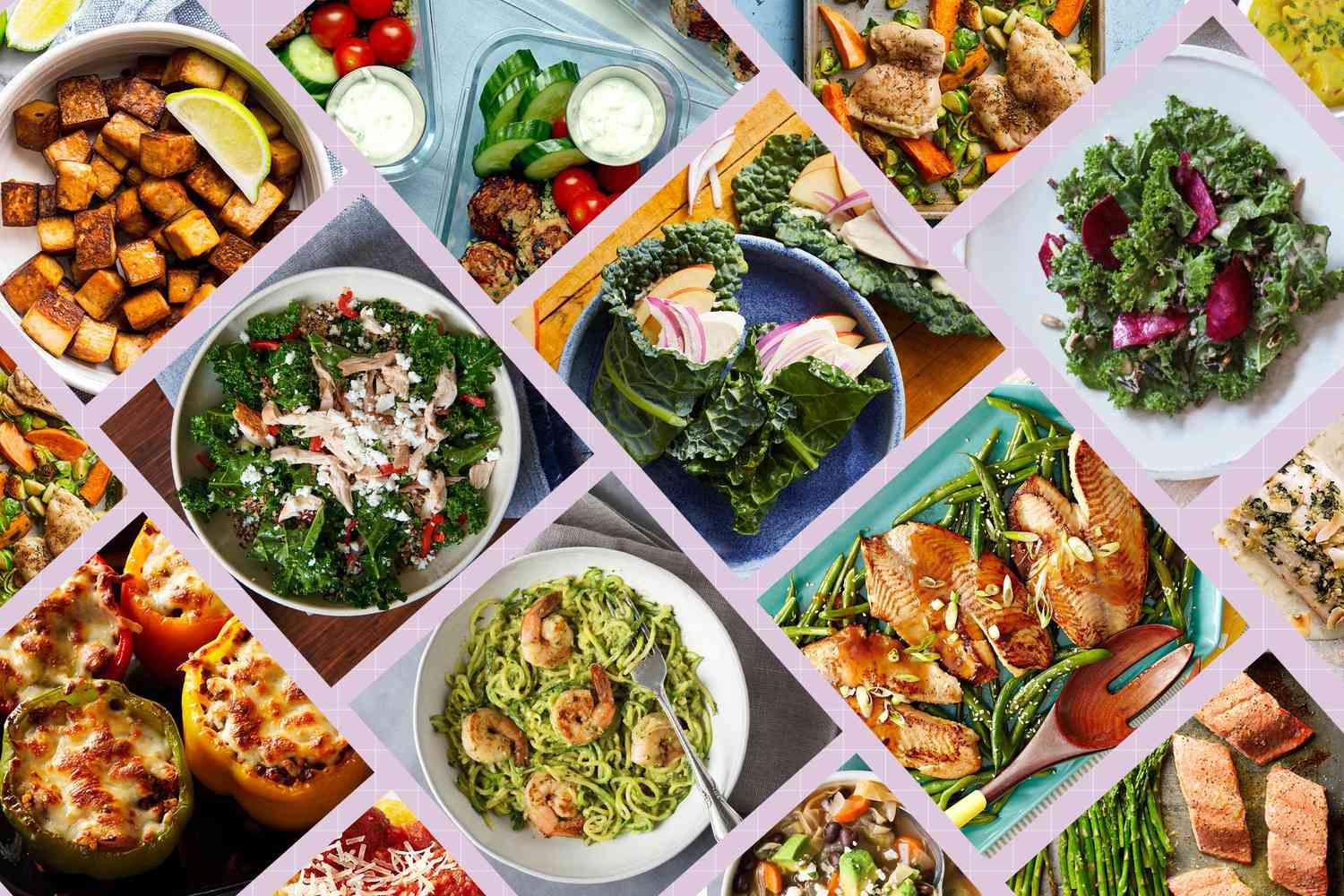
“Eating clean” is a phrase that’s become commonplace in wellness conversations, fitness circles, and social media platforms. It’s often portrayed as a restrictive or extreme dietary approach, sometimes reduced to sipping bone broth or drinking only water. But the real meaning of eating clean is far more practical, holistic, and attainable. At its core, clean eating is about making intentional, informed choices that prioritize whole, nutrient-dense foods while minimizing processed items and artificial ingredients. It’s not a diet fad—it’s a sustainable lifestyle strategy for improving health, supporting bodily functions, and achieving long-term wellness.
Clean eating begins with understanding where your food comes from and what’s in it. It involves shifting away from processed and packaged items that often contain excessive amounts of added sugar, sodium, preservatives, dyes, or synthetic flavors. Instead, it encourages consuming foods in their most natural state. This includes fresh vegetables, fruits, lean proteins, whole grains, legumes, nuts, seeds, and healthy fats. It also means choosing water or herbal teas over sugary beverages or sodas and being mindful of ingredients in store-bought foods.
The first principle of clean eating is simplicity. The fewer ingredients a product contains—and the more recognizable those ingredients are—the better. For example, brown rice, spinach, almonds, and chicken breast are all recognizable and minimally processed. These foods offer a full profile of vitamins, minerals, fiber, and essential nutrients without the extra additives that can compromise health over time.
But clean eating doesn’t mean being overly restrictive. It’s not about eliminating entire food groups or following a punishing routine. A common misconception is that eating clean equates to eating like a monk—only sipping broths, chewing on raw greens, or following liquid diets. That’s far from the truth. Clean eating embraces balance, variety, and satisfaction. Meals can still be flavorful, hearty, and enjoyable. The key is choosing preparation methods that preserve nutritional integrity. Grilling, baking, steaming, or lightly sautéing foods are all preferred over deep-frying or heavily oil-based cooking techniques.
The benefits of clean eating go beyond weight management or aesthetics. When your body is consistently fueled with real food, its systems operate more efficiently. Clean foods support digestion, improve energy levels, strengthen the immune system, and help regulate blood sugar. Over time, this way of eating can reduce inflammation, lower the risk of chronic diseases like diabetes and heart disease, and promote better mental clarity.
One of the most overlooked aspects of clean eating is hydration. Clean eating isn’t just about solid food—it also involves what you drink. Water plays a vital role in every bodily function, from nutrient absorption to temperature regulation. Avoiding sugary drinks and limiting alcohol intake is just as important as choosing whole foods. Proper hydration helps flush toxins, maintains healthy skin, and boosts metabolism.
To adopt a clean eating lifestyle, start by planning meals ahead and shopping with intention. Stick to the perimeter of the grocery store where fresh produce, meats, and dairy products are typically located. Read labels carefully. A granola bar that markets itself as “healthy” may still be loaded with sugars, oils, and additives that defeat the purpose of clean eating.
Another strategy is cooking at home more often. When you prepare your own meals, you have complete control over what goes into your food. This not only reinforces cleaner choices but also builds confidence in the kitchen and strengthens your relationship with food. Over time, the reliance on takeout or processed options diminishes, and clean eating becomes second nature.
Moderation remains an essential principle in clean eating. There’s room for occasional indulgences without derailing your health goals. A clean eating lifestyle isn’t about perfection—it’s about consistency. Even small changes, such as switching from white to whole grain pasta or swapping out soda for sparkling water, contribute to cleaner choices that accumulate benefits over time.
Clean eating is also deeply personal. What works for one person may not work for another. Factors such as allergies, cultural preferences, activity levels, and metabolic differences all play a role in how individuals can best adopt and sustain a clean eating lifestyle. Listening to your body and consulting with a nutritionist or healthcare provider can help tailor your choices to fit your needs.
Ultimately, eating clean is about honoring your body through thoughtful nourishment. It requires mindfulness, effort, and intention, but the rewards are undeniable. As your body adapts to receiving high-quality nutrients on a regular basis, you may experience improved digestion, clearer skin, better sleep, enhanced mood, and greater physical endurance. In a world flooded with quick-fix diets and heavily marketed food products, clean eating offers a refreshing return to simplicity and wellness. It’s not about deprivation—it’s about making choices that help you feel your best from the inside out.