


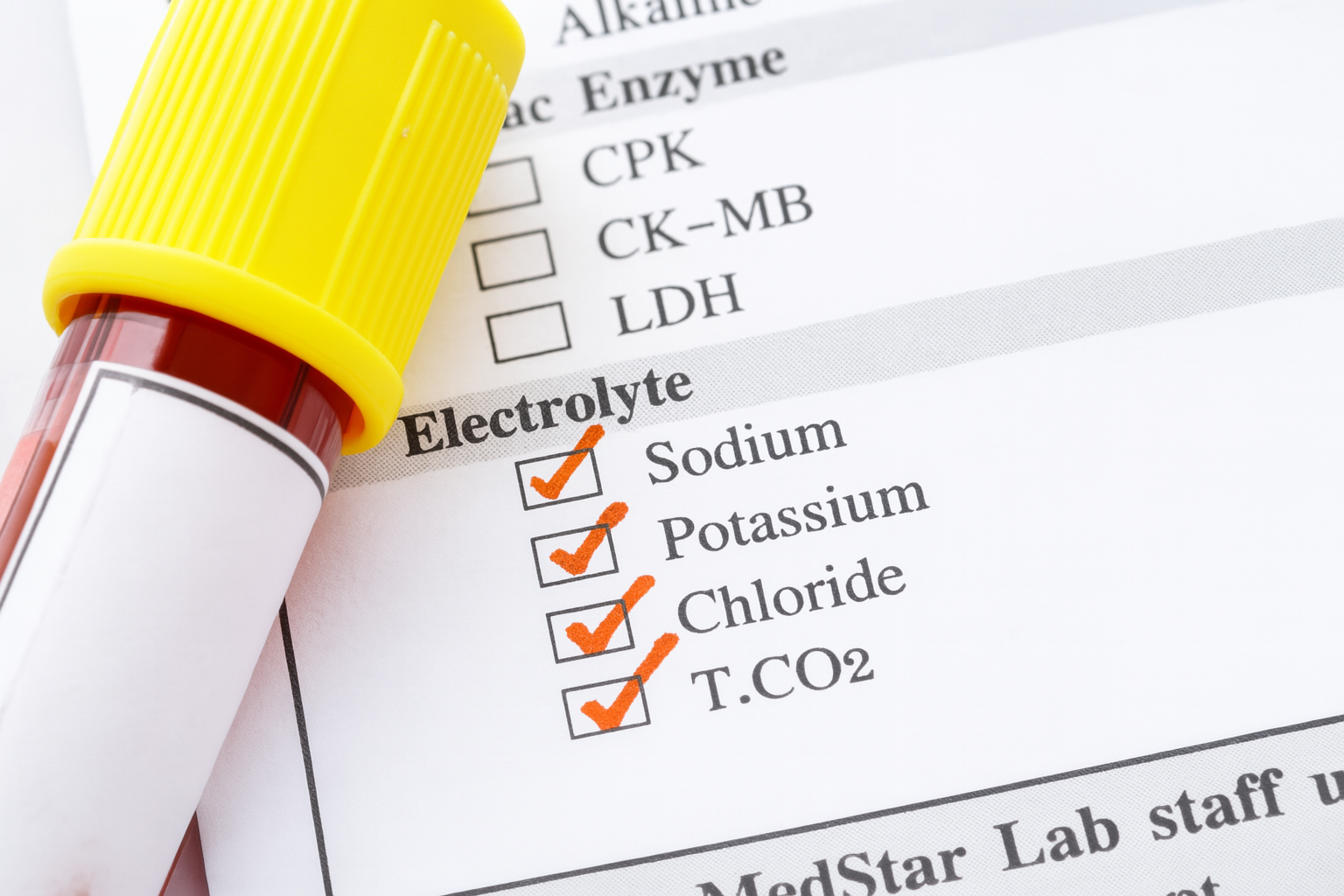
If you’ve ever found yourself quoting the movie Idiocracy and mumbling “It’s got electrolytes!” while chugging some neon-colored sports drink, you’re not alone. Somewhere between that satirical dystopia and your local gas station beverage aisle, electrolytes became a catchphrase—something vaguely important that sounds scientific enough to justify overpriced drinks. But let’s be honest: do most people actually know what an electrolyte is?
Let’s break it down in a way that doesn’t require a PhD or a lab coat.
Electrolytes are minerals that carry an electric charge when dissolved in water. Yes, they’re actual elements—real, tangible things—not just buzzwords printed on colorful bottles next to “zero sugar” or “turbo hydration.” These charged minerals are essential for a range of bodily functions that keep you, quite literally, alive. We’re talking muscle contractions, nerve signals, fluid balance, pH regulation, and even keeping your heartbeat on time like a well-trained drummer.
The most common electrolytes include sodium, potassium, calcium, magnesium, chloride, phosphate, and bicarbonate. Each one plays a unique role. Sodium and potassium, for example, are the dynamic duo that regulates nerve impulses and muscle activity—including the one very important muscle you probably take for granted: your heart. Calcium isn’t just for bones; it helps muscles contract. Magnesium helps nerves function and muscles relax. Without these minerals, your body might just throw in the towel.
Think of your body as a biological smartphone. Electrolytes are the charge in the battery, the signal strength, and the internal software all in one. Without them, things glitch. Muscles cramp, energy dips, and your brain goes foggy. Dehydration, overexertion, or even too much sweating on a hot day can knock your electrolyte balance out of whack, and that’s when things start to feel off.
Now that we’ve established they’re not just sci-fi jargon, how do we get electrolytes into our bodies—and more importantly, how do we do it without chugging a liter of blue corn syrup?
The good news is your body is already getting electrolytes from everyday food. Bananas, leafy greens, dairy products, nuts, seeds, citrus fruits, avocados, and even plain old table salt are excellent sources. In fact, if you’re eating a reasonably balanced diet and staying hydrated, you’re probably doing just fine.
However, during heavy workouts, illness, extreme heat, or after a night of regrettable decisions involving alcohol, supplementing with electrolyte-enhanced beverages can help. But be warned: not all electrolyte drinks are created equal. Some are sugar bombs with a mineral cameo. Others are better balanced, offering sodium, potassium, and magnesium without dumping half a candy store into your bloodstream.
Coconut water is nature’s electrolyte drink, with a good potassium-to-sodium ratio. There are also electrolyte tablets and powders that can be added to water, often with minimal sugar and maximum function.
So, the next time someone says, “It’s got electrolytes,” you can answer with confidence: “You mean electrically charged minerals that help regulate critical body functions like hydration, nerve signaling, and muscle contraction?” And maybe—just maybe—you can skip the Brando and reach for something that doesn’t taste like battery acid.
Because now you know: electrolytes aren’t just marketing hype. They’re your body’s unsung heroes.