


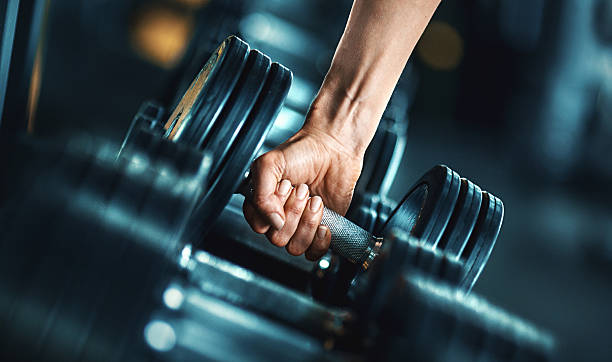
Most people never give much thought to their hands until they stop working the way they should. We use them for everything—from lifting groceries to opening jars, from typing on keyboards to swinging a hammer—yet the muscles, tendons, and joints that make up our hands often go neglected. Grip strength isn’t just about crushing a handshake; it’s a reliable indicator of overall health, functional ability, and independence as we age.
Strong hands mean more than brute force. They allow you to perform everyday tasks with less strain, improve dexterity, and protect against injury. A firm grip can be the difference between confidently carrying a heavy box and dropping it halfway to the door. More importantly, studies have linked declining grip strength with reduced mobility, diminished quality of life, and even increased risk of certain chronic conditions. In many ways, your hands act as an early warning system for your body’s overall strength and endurance.
Like any other part of the body, the hands and forearms respond to consistent, targeted exercise. While we often work larger muscle groups at the gym, the smaller, intricate muscles of the hands and wrists need their own attention. Incorporating hand-strengthening activities into your routine can help maintain mobility, prevent stiffness, and support joint health well into later years. This doesn’t mean you need expensive equipment; even daily activities like kneading dough, squeezing a stress ball, or wringing out a wet towel can help engage these muscles in a functional way.
For those seeking more deliberate training, grip tools such as hand grippers, resistance bands, or putty can provide focused strengthening. Farmers’ carries—simply holding and walking with heavy weights—build endurance in both grip and forearm muscles. Climbing, pull-ups, and certain yoga poses naturally demand significant hand engagement, making them excellent full-body activities that also improve grip. The key is gradual progression: just as with any muscle, overuse can lead to strain or injury, so balance is essential.
Maintaining hand strength isn’t only about muscles. Flexibility and mobility matter too. Stretching the fingers, rotating the wrists, and gently massaging the palms can help keep connective tissue supple and improve circulation. This combination of strength and flexibility reduces the likelihood of issues like carpal tunnel syndrome, tendonitis, or arthritis-related stiffness.
Hand health also plays a surprising role in overall fitness. Many compound exercises—deadlifts, rows, kettlebell swings—are limited by grip strength long before the larger muscle groups fatigue. By improving your hands’ capacity, you indirectly boost your ability to lift heavier, train longer, and perform more efficiently in physical activities. Even if you’re not chasing personal bests in the gym, a stronger grip makes outdoor work, home projects, and recreational sports far more manageable.
The truth is, your hands are your most versatile tools, and once their function declines, simple tasks can become frustrating obstacles. By paying attention to them now—through consistent strengthening, stretching, and mindful use—you’re investing in decades of independence and capability. The power in your palms is worth preserving, because the stronger your hands are today, the more they’ll be able to do for you tomorrow.