


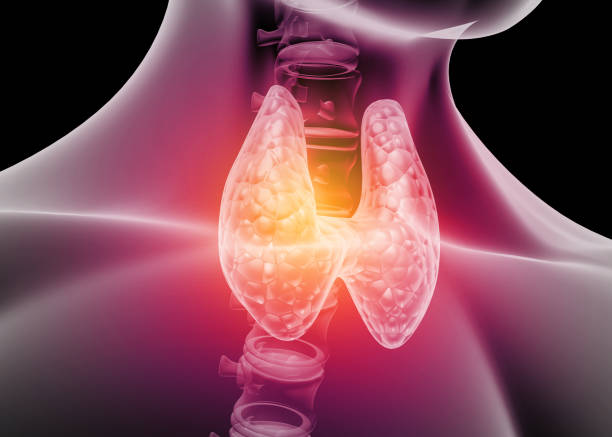
The thyroid is a small, butterfly-shaped gland at the base of the neck, but its impact on health is anything but small. Responsible for producing hormones that regulate metabolism, energy levels, body temperature, and even heart function, the thyroid quietly powers much of the body’s day-to-day activity. When it works properly, most people never think about it. When it doesn’t, however, the consequences can ripple across nearly every system of the body.
For many Americans, thyroid health is not top of mind. Yet, according to national health surveys, millions live with undiagnosed thyroid disorders, often mistaking the symptoms for stress, aging, or other common conditions. That makes awareness and regular checkups essential, particularly as people get older.
When the thyroid is underactive, a condition known as hypothyroidism, the body slows down in noticeable ways. Fatigue, weight gain, dry skin, constipation, and sensitivity to cold are common signs. On the other end of the spectrum, an overactive thyroid, or hyperthyroidism, can make the body run too fast, leading to rapid heartbeat, weight loss despite a normal diet, anxiety, irritability, and difficulty sleeping. Both conditions require medical evaluation, and both are treatable once diagnosed.
Testing the thyroid is relatively simple. A blood test measuring hormone levels, often ordered during routine physical exams, can reveal whether the gland is functioning normally. For most people, especially those over 50 or those with a family history of thyroid disease, periodic screening is recommended. Women, in particular, are more likely to experience thyroid issues, especially during pregnancy or menopause, making vigilance all the more important.
Caring for the thyroid begins with paying attention to subtle changes in the body. While lifestyle factors like diet, exercise, and stress management contribute to overall wellness, thyroid disorders often arise regardless of healthy habits. Still, maintaining a balanced diet with sufficient iodine, selenium, and other essential nutrients supports thyroid function. Foods like seafood, eggs, dairy, and nuts provide natural sources of these nutrients. Avoiding excessive consumption of highly processed foods and managing stress also play a role in keeping the gland operating smoothly.
Left unchecked, thyroid disease can have long-term effects on the heart, bones, and mental health. For example, untreated hypothyroidism can raise cholesterol levels, while uncontrolled hyperthyroidism may lead to osteoporosis or irregular heartbeat. Early detection through regular checkups can prevent these complications and help people maintain a normal quality of life.
The thyroid may not be as visible as muscle tone or as talked about as diet trends, but it is a cornerstone of health. Its hormones are the body’s energy regulators, influencing how fast or slow nearly every organ system functions. That makes it just as important to monitor as blood pressure or cholesterol.
For the average American, especially older adults, making thyroid health part of a regular wellness routine is a smart investment. A quick test at the doctor’s office can provide reassurance or catch a problem before it worsens. Because good health is not only about staying active or eating right—it’s also about making sure the body’s essential systems, like the thyroid, are working the way they should.