


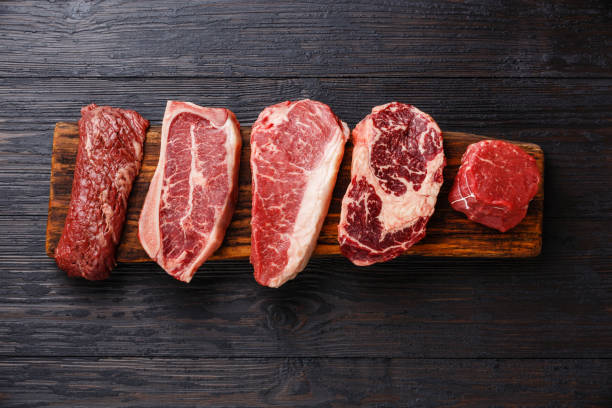
When a person sits down to enjoy a steak, the body begins a complex process that transforms that cut of beef into fuel. Red meat digestion begins in the stomach, where hydrochloric acid and enzymes like pepsin break down proteins into smaller chains of amino acids. This initial step is labor-intensive for the digestive system, which is why red meat tends to feel heavier than plant-based foods. Once broken down, the proteins and fats move into the small intestine, where bile emulsifies the fats and pancreatic enzymes further extract nutrients. The process is efficient, but it varies depending on the type of beef consumed.
Organic beef, particularly grass-fed varieties, often has a different nutrient profile compared with conventional grain-fed or steroid-treated beef. Grass-fed beef tends to be leaner, with higher levels of omega-3 fatty acids and conjugated linoleic acid, both of which are considered beneficial for heart and metabolic health. This leaner composition can sometimes lead to easier digestion for people who struggle with fatty foods. The reduced fat content means less bile is required for emulsification, and the breakdown of proteins is less taxing on the stomach. For individuals prone to digestive discomfort, grass-fed beef may reduce the sensation of heaviness after a meal.
Grain-fed beef, the more common option in the United States, often carries higher fat content and marbling. While this makes for a juicier steak on the plate, the digestive system must work harder to process the additional fat. High-fat meals linger longer in the stomach, delaying gastric emptying, which explains why people may feel sluggish or even nauseous after indulging in particularly rich cuts. While still nutritionally dense, the balance of omega-6 to omega-3 fatty acids in grain-fed beef is less favorable, and this may contribute to inflammation in sensitive individuals.
Steroid or hormone-treated beef introduces another layer of complexity. While the hormones themselves may not drastically alter the mechanical process of digestion, the impact on the meat’s composition can indirectly affect how the stomach responds. Beef raised with growth enhancers often develops faster and with more fat. This higher fat density mirrors the challenges seen in grain-fed beef, prolonging the digestive process. For some, this can translate into more frequent stomach upset, bloating, or a general sense of heaviness. Though regulators maintain that residues are within safe limits, the digestive comfort of consumers often comes down to the fat-to-protein balance in the final product.
Clean beef, whether organic or grass-fed, offers a more natural digestive experience. Without the added burden of excess fat or altered nutrient ratios, the stomach and intestines complete their work more smoothly. Consumers often report fewer bouts of indigestion or reflux after eating leaner, grass-fed cuts. On the other hand, heavily marbled or processed beef products may linger, sometimes leading to discomfort as the digestive system works overtime.
Ultimately, the way beef digests depends not only on its source but also on the individual body. Some people tolerate rich cuts with no issue, while others experience turning stomachs at even modest portions. Choosing between grass-fed, grain-fed, or hormone-raised beef is more than a matter of taste or cost—it directly influences how the body processes the meal. As awareness grows, many consumers are realizing that what happens on the plate is only half the story; the real difference is felt hours later, in the quiet work of digestion.