


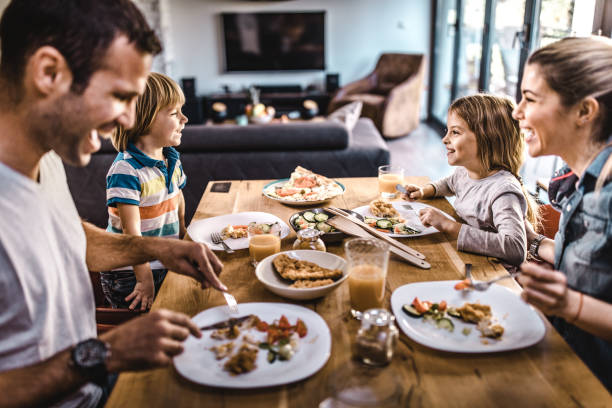
The dinner table has always been more than a place to set down plates. It is a stage where stories unfold, laughter fills the air, and the small victories and struggles of daily life are exchanged like currency. For many families, that stage has grown quiet. Soccer practice runs late, homework piles up, and phones hum with endless distractions. Yet even in the chaos, the simple act of sitting down together—even once a week or once a month—has the power to restore something vital that modern schedules often erode: connection.
When families gather for a meal, conversation flows in a way it rarely does elsewhere. A parent hears about a spelling bee, a child learns why work was stressful, siblings share inside jokes that become part of family lore. These dinners aren’t about gourmet recipes or perfect table settings; they’re about creating a space where everyone is seen and heard. That space, in turn, feeds mental wellness. Children feel anchored in something steady, while adults step away from the noise of responsibility and rediscover the people they work so hard for.
The health benefits of a shared dinner stretch beyond nutrition. Studies show that children who regularly eat with their families often report lower stress and greater confidence. Adults, too, find relief in slowing down, replacing quick bites in front of screens with conversation that grounds them. The meal itself becomes secondary to the pause it creates—a pause that lets everyone breathe and belong.
Scheduling these dinners is less complicated than it sounds. No one has to clear every evening or abandon commitments. One night on the calendar, protected like any other important appointment, is enough to make the difference. A Friday night dinner after a long week, a Sunday evening before the week begins, or even a monthly meal that becomes a family tradition—all carry the same weight when approached with intention.
Around that table, topics can range anywhere: the highlights of the week, plans for the weekend, the odd headline everyone heard, or the memory of a family trip long past. What matters most is the exchange itself, not the subject. Over time, these conversations knit together a tapestry of shared experiences, one that builds resilience during hard times and magnifies joy during good ones.
Family dinners may not happen every day, and they don’t need to. What they require is a conscious choice to make room for them. In a world where busyness is worn like a badge of honor, reclaiming even a single evening sends a different message—that family comes first, that stories deserve to be told, and that wellness is found in the simple act of gathering together.
The food may nourish the body, but it’s the time spent talking, listening, and laughing that nourishes the soul. And that is a recipe every family can still cook up, no matter how crowded the calendar becomes.