


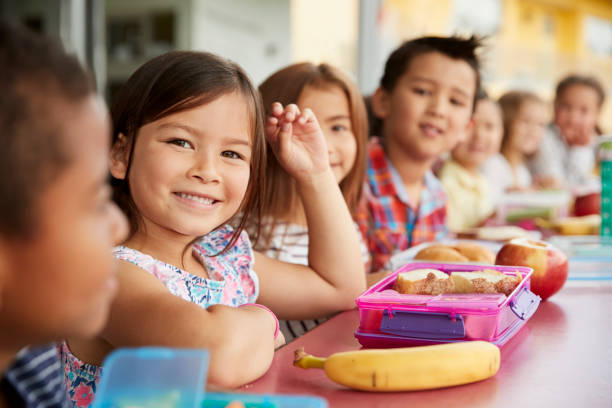
Raising children today often means balancing convenience with long-term health. One area where this balance is especially visible is in school lunches. While cafeterias may provide quick and accessible meals, the nutritional value of these offerings can vary widely. Parents who take the time to prepare and pack lunches at home not only have control over what goes into their child’s diet but also lay the foundation for healthier eating habits that can last a lifetime.
The foods children eat during the day directly affect their energy, concentration, and mood. Many cafeteria meals or prepackaged snacks are high in refined sugars and processed ingredients. These may provide a burst of energy but often lead to the dreaded “afternoon crash,” leaving kids feeling tired, irritable, and less focused in the classroom. A thoughtfully prepared lunch from home helps avoid this cycle by emphasizing balanced nutrition and steady energy release.
Fruits and vegetables are natural choices that deliver vitamins, minerals, and fiber without the excess sugars and additives often found in processed foods. Packing apple slices, carrot sticks, grapes, or cucumber rounds gives children not only a fresh, satisfying crunch but also vital nutrients their bodies need during critical stages of growth. When paired with whole-grain sandwiches or wraps, lean proteins like chicken or turkey, and a serving of dairy or a calcium-rich alternative, children receive a complete meal that fuels both body and mind.
One of the greatest benefits of preparing lunches at home is the ability to minimize sugar intake. Sugary snacks and drinks are not just empty calories; they can contribute to long-term health issues such as obesity, diabetes, and poor dental health. Opting instead for water, milk, or natural fruit-infused beverages helps children stay hydrated without unnecessary sugar. Low-sugar granola bars, nuts, or yogurt can replace candy or cookies, providing both taste and substance without the crash.
Beyond the immediate health benefits, packing school lunches instills a sense of awareness about food choices. Children learn from example, and when they see parents consistently prioritize fresh, whole foods over processed options, they begin to adopt those preferences themselves. This early exposure to nutritious eating sets a precedent that may influence their decisions well into adulthood.
It is also worth noting the emotional connection that comes with a homemade lunch. Knowing that a parent took the time to prepare food with care can provide comfort and a sense of routine for children, especially during long school days. Including a small personal touch, like a favorite fruit or a homemade snack, can turn lunchtime into a moment of joy rather than just a quick refueling stop.
Smart meal decisions today help create healthier futures tomorrow. By choosing to prepare and pack lunches for children, parents are doing more than just filling a lunchbox. They are shaping lifelong habits, reducing exposure to excess sugars and processed foods, and encouraging their children to view food as fuel for success rather than a source of short-term satisfaction. While it requires a bit more effort, the return in terms of health, energy, and well-being is immeasurable.