


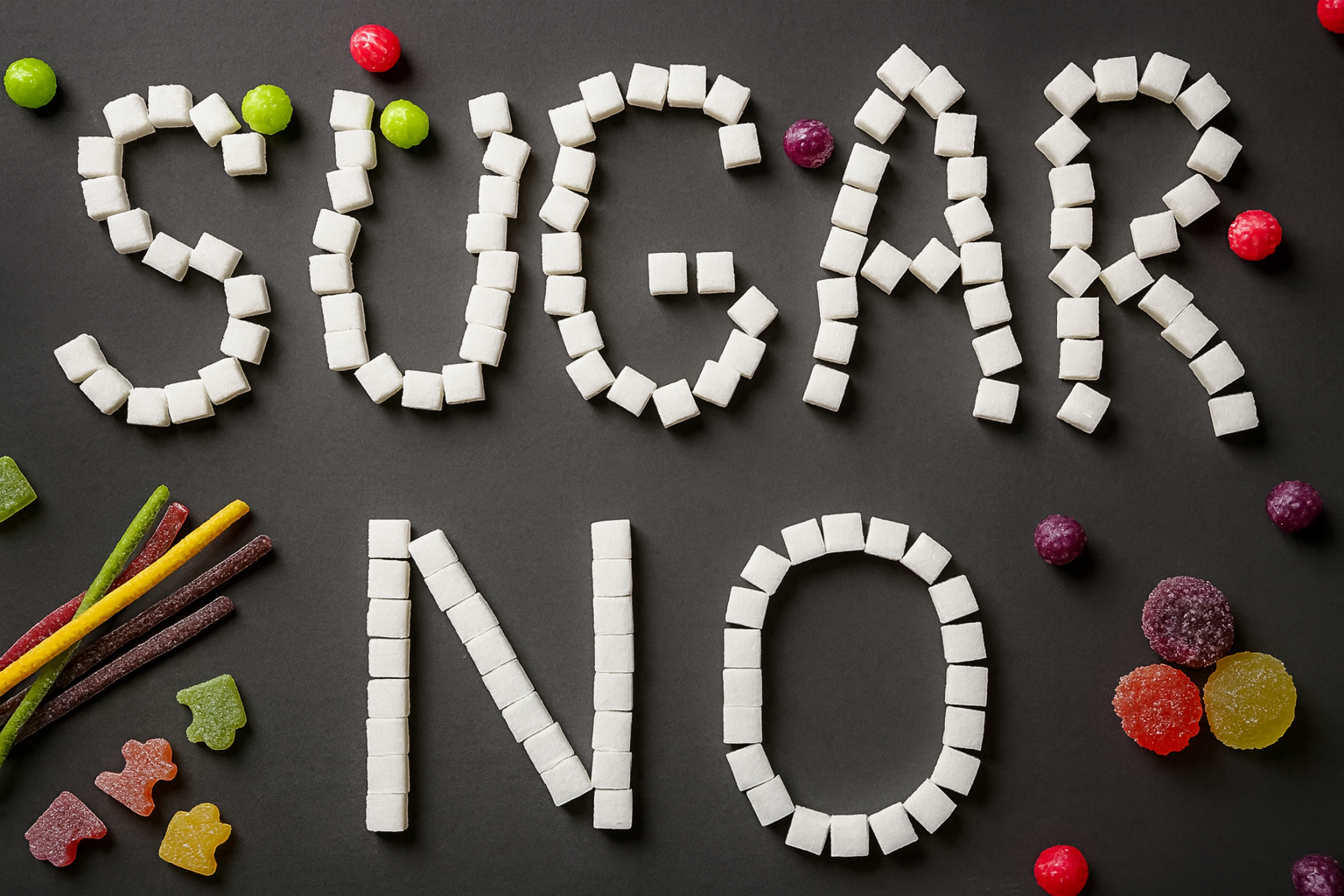
The word “sweet” once belonged to nature. It came from the sun ripening fruit on the vine, from the slow golden pour of honey, or from the warmth of baked apples on a kitchen table. Somewhere along the way, sweetness was stolen, re-engineered, and sold back to us in shiny wrappers and bottles labeled “sugar-free.” It sounds like a healthier promise, but that promise often fades under closer inspection. Many so-called sugar-free products are not free at all—they are simply sweetened differently, using chemical substitutes or sugar alcohols that the body struggles to recognize.
These artificial sweeteners, from sucralose to aspartame, can taste hundreds of times sweeter than sugar yet bring their own concerns. They may trick the brain into craving more sweetness and confuse the body’s natural insulin response. Even sugar alcohols like sorbitol or xylitol, which sound natural, are often heavily refined and can lead to bloating or digestive distress. The illusion of health that comes with “sugar-free” labeling can cause people to consume more, not realizing that these alternatives can interfere with metabolism and gut balance.
For those who truly want to move away from refined sugar without leaning on lab-made replacements, nature has provided better answers. Dates are one of the most powerful of these. Their natural sweetness comes packaged with fiber, potassium, and iron, making them a perfect base for energy bites, smoothies, and desserts. A simple date paste—just blended dates and water—can substitute for sugar in baking and sauces while adding texture and nutrition.
Raw honey is another timeless option. It’s rich in antioxidants and possesses mild antibacterial properties. A small spoonful of local honey brings a gentle sweetness that satisfies without overloading the system. Maple syrup, with its deep amber hue and mineral content, offers similar benefits when used sparingly. Both retain the essence of the plants they come from, connecting sweetness back to its natural roots.
Fruit-based alternatives like mashed bananas or unsweetened applesauce can also replace sugar in baked goods while contributing vitamins and moisture. Coconut sugar, made from the sap of coconut blossoms, carries a soft caramel flavor and a lower glycemic impact than white sugar. These ingredients not only enhance flavor but also support a more balanced relationship with sweetness—one that fuels rather than drains the body.
Real sweetness is not the enemy; excess and imitation are. The goal isn’t to eliminate sugar entirely but to return to ingredients that serve both taste and health. Nature still knows how to do sweet right. When you choose foods that are naturally rich, complex, and alive, you discover that the truest kind of sweetness doesn’t come from a factory—it comes from the earth itself.