


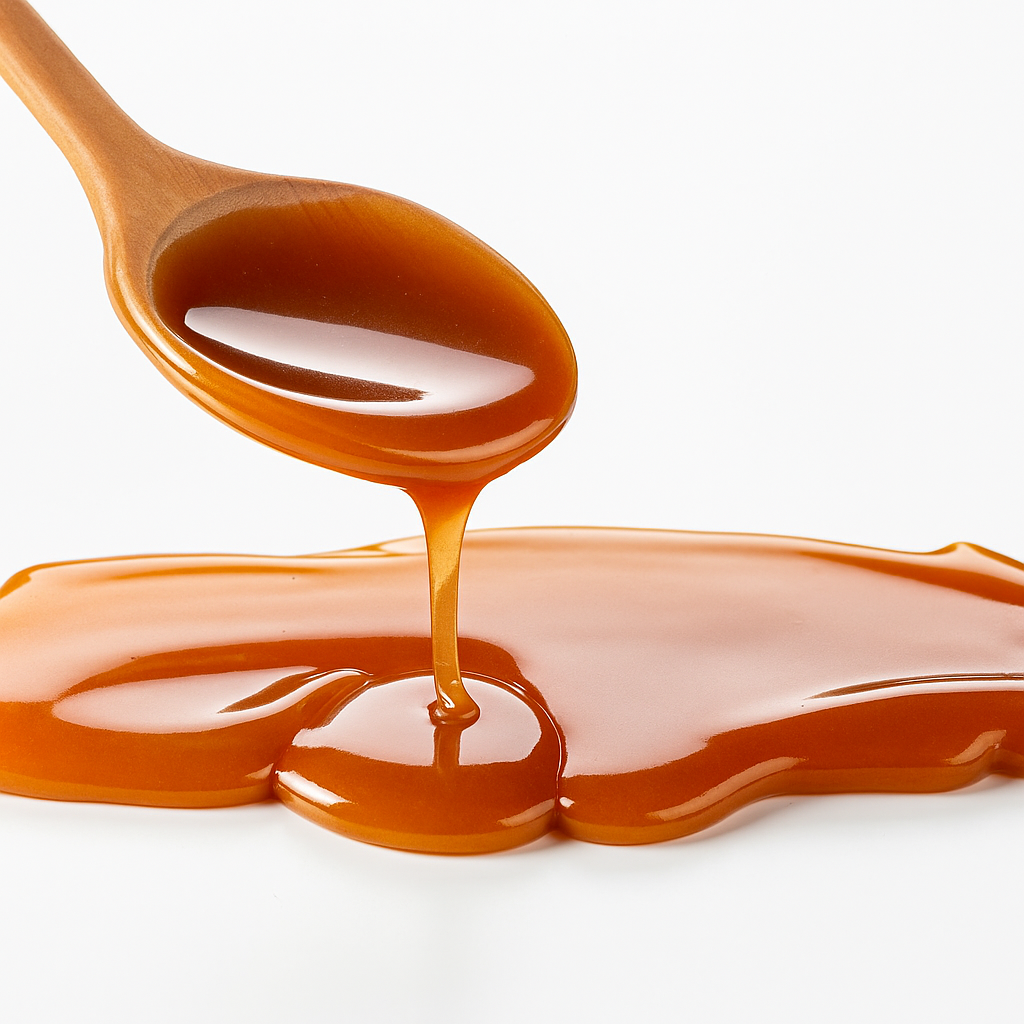
From the wild hillsides of New Zealand, a remarkable natural remedy emerged from the nectar of the Manuka tree. What began as the humble craft of beekeeping has evolved into a global fascination with one of nature’s most potent healers. Manuka honey, often misspelled as “Minooka,” is no ordinary sweetener—it is a therapeutic marvel celebrated for its medicinal properties and the mysterious compound that makes it unique: methylglyoxal, the so-called miracle molecule.
Long before laboratories confirmed its healing powers, the Māori people of New Zealand used the Manuka plant for centuries as a natural medicine. The honey produced from its tiny white flowers carries within it a rare concentration of antibacterial agents. Scientists later identified methylglyoxal as the key ingredient responsible for its strength. Unlike common honey, Manuka retains its antimicrobial effects even when diluted or exposed to heat, making it a reliable defense against bacteria that resist conventional treatments.
The health benefits of Manuka honey stretch across multiple areas of human wellness. In wound care, it is used in hospitals and clinics to help heal burns, ulcers, and infections. Its dense texture seals out bacteria while its enzymes promote new tissue growth and reduce inflammation. Patients with chronic skin conditions or post-surgical wounds often find that this golden salve restores what medicine alone cannot. In digestive health, studies suggest Manuka may help calm acid reflux, ease gastritis, and protect against the ulcer-causing bacteria known as Helicobacter pylori. For those struggling with sore throats or coughs, a spoonful provides more than sweetness—it coats and soothes the throat, offering comfort that over-the-counter remedies often fail to deliver.
Beyond its antibacterial power, Manuka honey is rich in antioxidants that fight free radicals, helping the body combat oxidative stress that contributes to aging and disease. Its anti-inflammatory properties can ease symptoms of arthritis and improve skin tone by promoting natural cell regeneration. Even in oral health, it has shown promise by reducing harmful bacteria that lead to plaque and gum disease.
Manuka honey’s reputation has made it a symbol of purity and healing, but authenticity matters. Genuine Manuka honey is graded through the UMF or MGO system, ensuring it contains the active compounds that give it its power. The higher the rating, the stronger its antibacterial effect. Because of its rarity and high demand, counterfeit versions are common, making careful sourcing essential for those seeking real results.
While it remains a natural product high in sugar and should be consumed in moderation, Manuka honey’s benefits extend far beyond the breakfast table. It is a reminder that sometimes the simplest gifts of nature hold the most profound healing potential. From wound care to wellness, this golden nectar bridges ancient tradition and modern science. The miracle molecule within every jar stands as a testament to the enduring power of the natural world—a sweet proof that health and healing can still be found in the hive.