


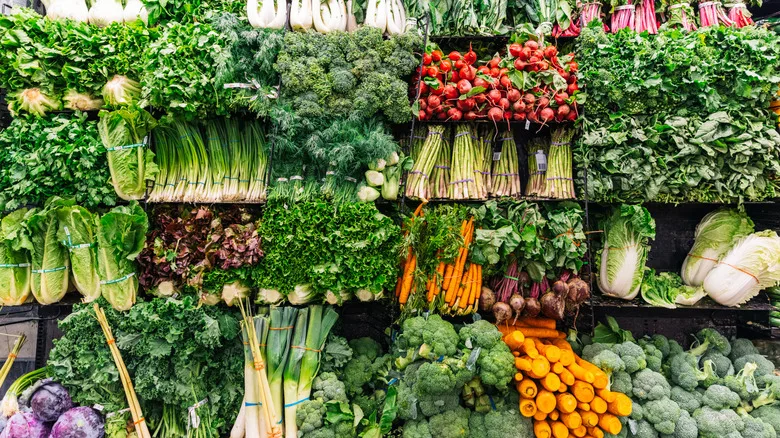
Shoppers staring at piles of apples or bunches of spinach often face the same quiet dilemma. Organic on one side, conventional on the other, one always more expensive and marketed as the healthier choice. The question is whether that higher price truly reflects a meaningful difference or whether organic labels simply represent a preference rather than a health necessity. The reality is more nuanced than marketing slogans and shelf tags suggest.
Organic fruits and vegetables are grown without synthetic fertilizers, chemical pesticides or genetically modified seeds. The farming methods rely on natural soil-building techniques, composting, crop rotation and nonchemical pest control. Conventional produce, by contrast, allows the use of synthetic pesticides, herbicides and fertilizers that protect crops and increase yields. These basic distinctions shape the ongoing debate over safety, nutrition and long term wellness.
The most measurable difference between the two is pesticide residue. Conventional produce frequently contains trace amounts of chemical residues, though federal food safety standards set strict limits that regulators maintain are far below harmful levels. Organic produce contains fewer detectable residues, not because it is completely untouched by chemicals, but because the rules limit farmers to using only naturally derived pest control methods. Consumers who value minimal residue exposure tend to see organic choices as a way to reduce their overall chemical intake, even if both types fall within accepted safety thresholds.
Nutritional differences are much less dramatic. Many studies comparing vitamin and mineral levels show only slight variations between organic and conventional produce. Some organic vegetables have been found to contain higher antioxidant levels, but those differences do not appear consistently across all crops. What matters far more for wellness is the presence of fruits and vegetables in a diet at all, regardless of how they were grown. Most nutrition experts agree that the real health benefit comes from eating a wide variety of fresh produce every day, organic or not.
Environmental impact is where organic farming often stands apart. Organic practices generally support soil health, reduce water contamination and encourage biodiversity. For consumers who see their food choices as part of a broader environmental ethic, organic options may feel like a more responsible way to support long term ecological health. Conventional agriculture, however, produces far greater volumes of food and keeps grocery prices lower for millions of households, making it the more accessible choice for many families.
For most people, the decision to buy organic or conventional produce comes down to values, budget and personal comfort level rather than a strict health requirement. Eating organic exclusively is not necessary for maintaining good health. What matters most is consistency in choosing whole foods over processed snacks and maintaining daily habits that support wellness. Organic options offer an appealing path for those who want to minimize exposure to synthetic chemicals or support environmentally focused agriculture, while conventional produce remains a nutritious, safe and cost effective staple for the majority of shoppers.
The difference between the two categories of produce is real, but its importance varies by individual priorities. The most crucial step is simply filling your plate with fruits and vegetables in any form and building habits that support long term wellbeing.