


Digestive health often operates quietly in the background until something goes wrong, and diverticulitis is one of those conditions that can move quickly from unnoticed to disruptive. Understanding how to identify it, reduce the risk of developing it, and manage it effectively can make a meaningful difference in long term health and quality of life.
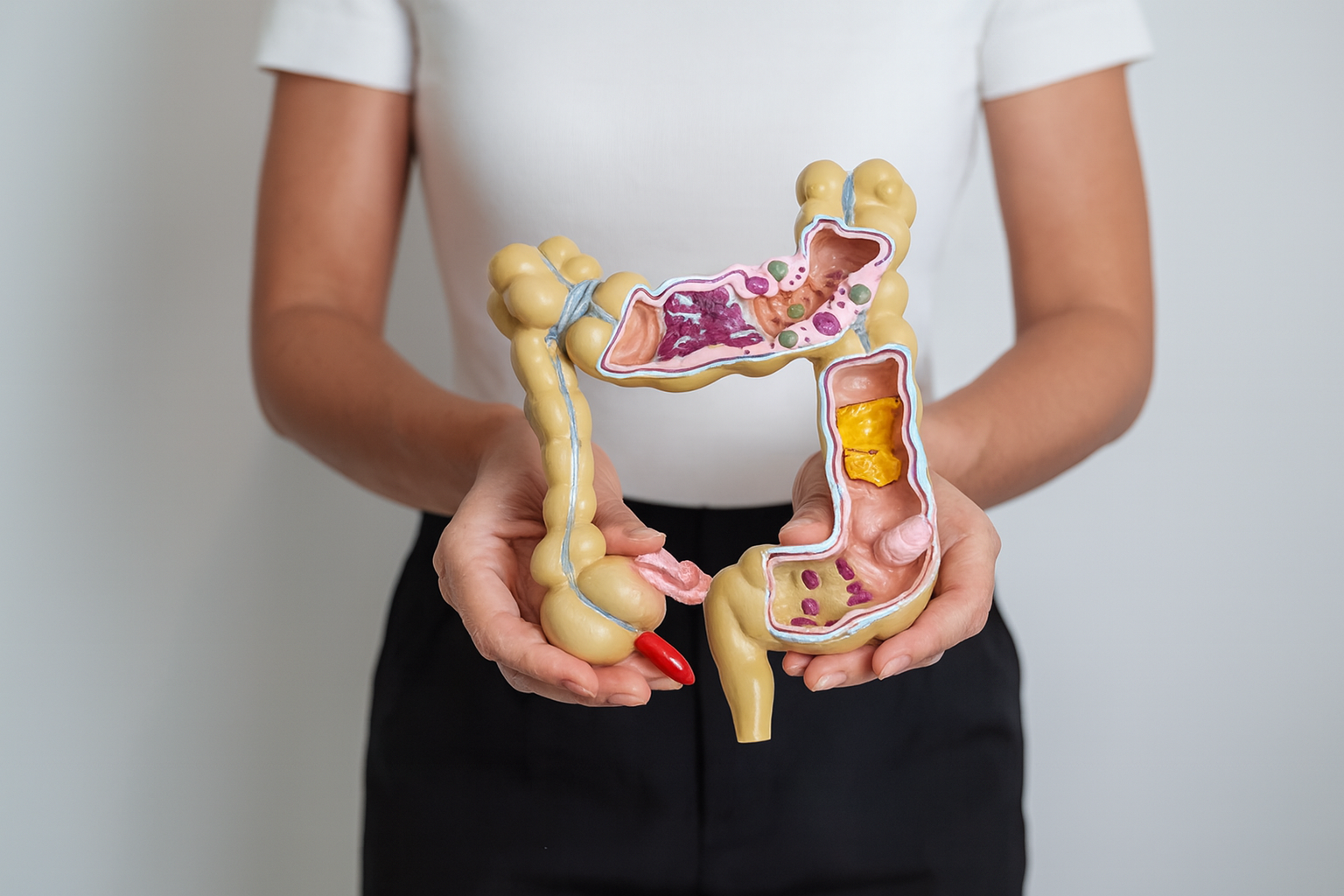
Diverticulitis begins with the formation of small pouches in the wall of the colon known as diverticula. These pouches develop when pressure inside the colon pushes against weakened areas of the intestinal wall. Many people have diverticula and never experience symptoms, a condition called diverticulosis. Diverticulitis occurs when one or more of these pouches become inflamed or infected, triggering pain and other systemic symptoms.
The most common early warning sign is abdominal pain, most often felt on the lower left side. The pain may be persistent, worsen over time, or feel tender to the touch. Fever is another key indicator, often accompanied by nausea, bloating, constipation, diarrhea, or a noticeable change in bowel habits. Fatigue and loss of appetite are also common as the body responds to inflammation. Because these symptoms can overlap with other digestive disorders, ongoing or worsening discomfort should not be ignored.
Several factors increase the likelihood of developing diverticulitis. Aging plays a significant role as the colon naturally weakens over time. Diets low in fiber contribute by allowing stool to become harder and increasing pressure during digestion. Sedentary lifestyles, obesity, smoking, dehydration, and frequent use of certain pain medications can further raise risk. While genetics may play a part, daily habits remain one of the most influential contributors.
Prevention centers on supporting healthy digestion and reducing strain on the colon. A fiber rich diet that includes fruits, vegetables, legumes, and whole grains helps soften stool and promotes regular bowel movements. Drinking adequate water allows fiber to function properly and keeps waste moving efficiently. Regular physical activity stimulates intestinal movement and reduces pressure inside the colon. Avoiding tobacco and maintaining a healthy weight further lowers the risk of inflammation.
For those diagnosed with diverticulitis, treatment depends on severity. Mild cases are often managed at home with rest and temporary dietary adjustments that allow the colon to heal. As symptoms improve, fiber is gradually reintroduced to support long term prevention. More severe cases may require antibiotics, close medical monitoring, or hospitalization if complications arise. In rare instances where diverticulitis becomes recurrent or leads to serious complications, surgical intervention may be considered.
Living with a history of diverticulitis does not mean ongoing discomfort is inevitable. Many people recover fully and prevent future flare ups by making consistent lifestyle changes. Paying attention to early symptoms, prioritizing digestive health, and seeking timely medical care are key steps. Diverticulitis serves as a reminder that gut health is deeply connected to daily choices, and that small preventive steps can lead to significant long term benefits.