


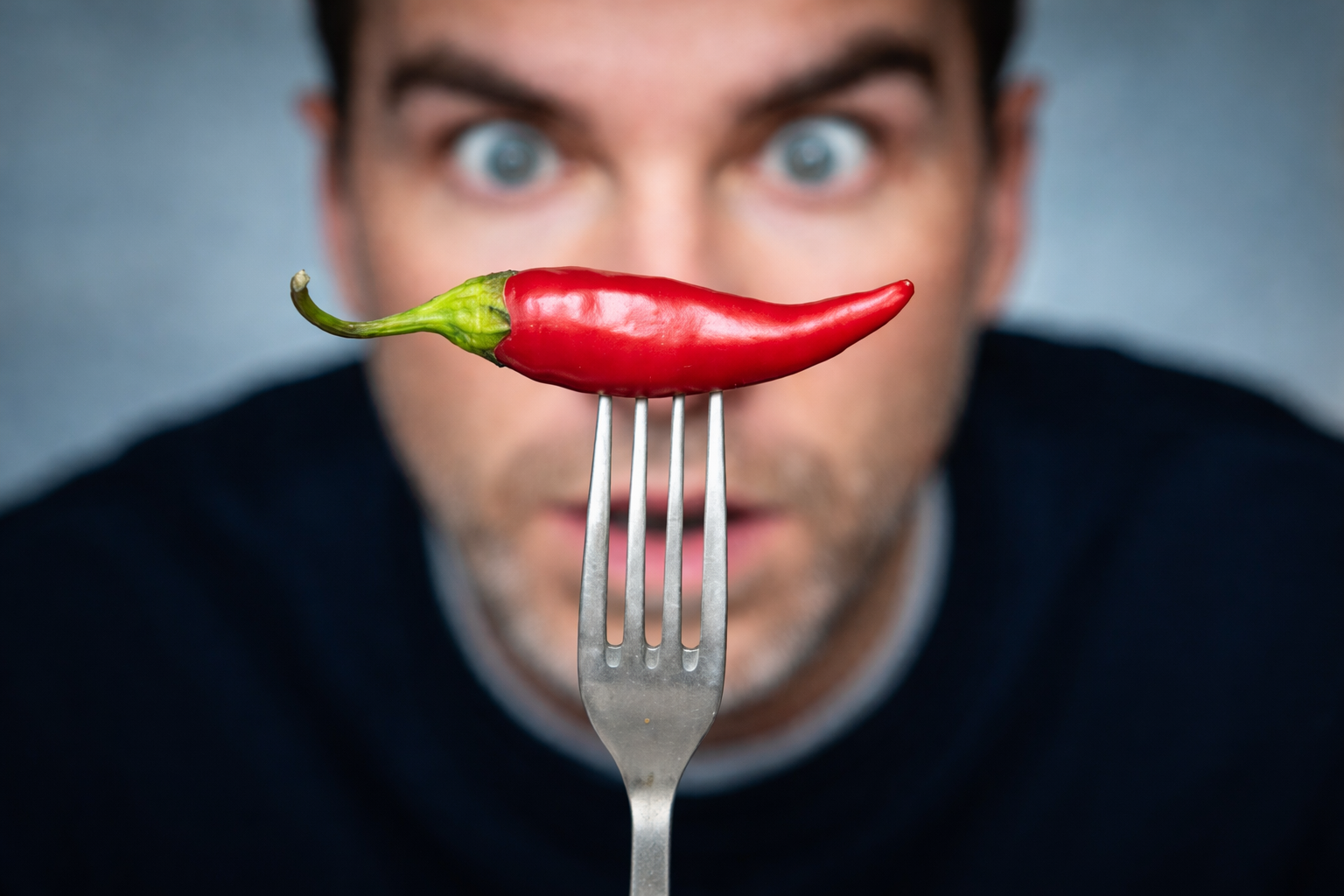
For many people, spicy food is more than a flavor choice, it is a lifelong habit tied to culture, comfort, and culinary adventure. From hot peppers and chili sauces to dishes that bring the kind of heat that makes your eyes water, spice has long been celebrated for its bold taste and even its health benefits. Yet for a growing number of adults, especially as the years add up, the relationship with spicy food quietly changes. What once felt energizing and enjoyable can begin to feel punishing, leaving the stomach, and sometimes the rest of the body, clearly asking for mercy.
One of the first warning signs that spicy foods are no longer being tolerated well is persistent stomach discomfort. This may show up as burning in the chest or throat, pressure or pain in the upper abdomen, or a sensation that food is simply sitting too long in the stomach. Heartburn and acid reflux often become more frequent after spicy meals, even if those same foods never caused trouble in the past. Over time, the lining of the stomach and esophagus can become more sensitive, making it harder to recover from repeated exposure to intense heat.
Digestive changes do not stop at the stomach. Spicy foods can speed up intestinal activity, which may lead to cramping, diarrhea, or an urgent need to use the bathroom shortly after eating. When these symptoms begin to happen regularly, rather than occasionally, it is often a sign that the digestive system is no longer processing spicy foods efficiently. Bloating, nausea, or excessive gas can also signal irritation in the gut, particularly in people who already have conditions such as gastritis, ulcers, or irritable bowel syndrome, whether diagnosed or not.
Age plays a role, but it is not the only factor. As people get older, stomach acid production, digestive enzyme levels, and the resilience of the gut lining can change. Medications commonly taken later in life, including anti-inflammatory drugs, blood pressure medications, or antibiotics, may also make the digestive system more vulnerable. Stress, lack of sleep, and alcohol consumption can further lower tolerance, creating a perfect storm where spicy foods become the tipping point.
For those who are not ready to give up spice entirely, there are natural strategies that may help reduce discomfort. Eating spicy foods with a full meal rather than on an empty stomach can provide a buffer that protects the stomach lining. Dairy products such as yogurt or milk may help neutralize some of the burning sensation by binding to capsaicin, the compound responsible for heat. Incorporating soothing foods like oatmeal, bananas, rice, or toast after a spicy meal can calm irritation and slow digestion just enough to ease symptoms. Ginger and chamomile tea are often used to settle the stomach, while smaller portions of spicy food can reduce the overall burden on digestion.
That said, there is an important line between managing symptoms and ignoring warning signs. If enjoying spicy food means routinely reaching for antacids, acid blockers, or other medications, it may be time to reassess whether the pleasure outweighs the cost. Regular reliance on medication to counter food choices can mask underlying issues and allow irritation to worsen over time. Persistent pain, difficulty swallowing, unexplained weight loss, or vomiting should never be brushed off as normal reactions to spicy food and warrant medical attention.
Sometimes the healthiest choice is also the hardest, accepting that certain foods no longer belong in your regular diet. Cutting back or cutting out spicy foods does not mean sacrificing flavor altogether. Herbs, mild spices, and creative cooking techniques can deliver richness and depth without overwhelming the digestive system. Listening to your body, rather than fighting it, often leads to better energy, improved sleep, and fewer daily discomforts.
The spice dilemma is not a failure of tolerance or toughness; it is a natural signal from a body that has changing needs. Paying attention to those signals allows you to make informed choices, whether that means adjusting how you enjoy spicy foods or letting them go entirely. In the long run, a calmer tummy is often worth far more than the fleeting thrill of extra heat.