


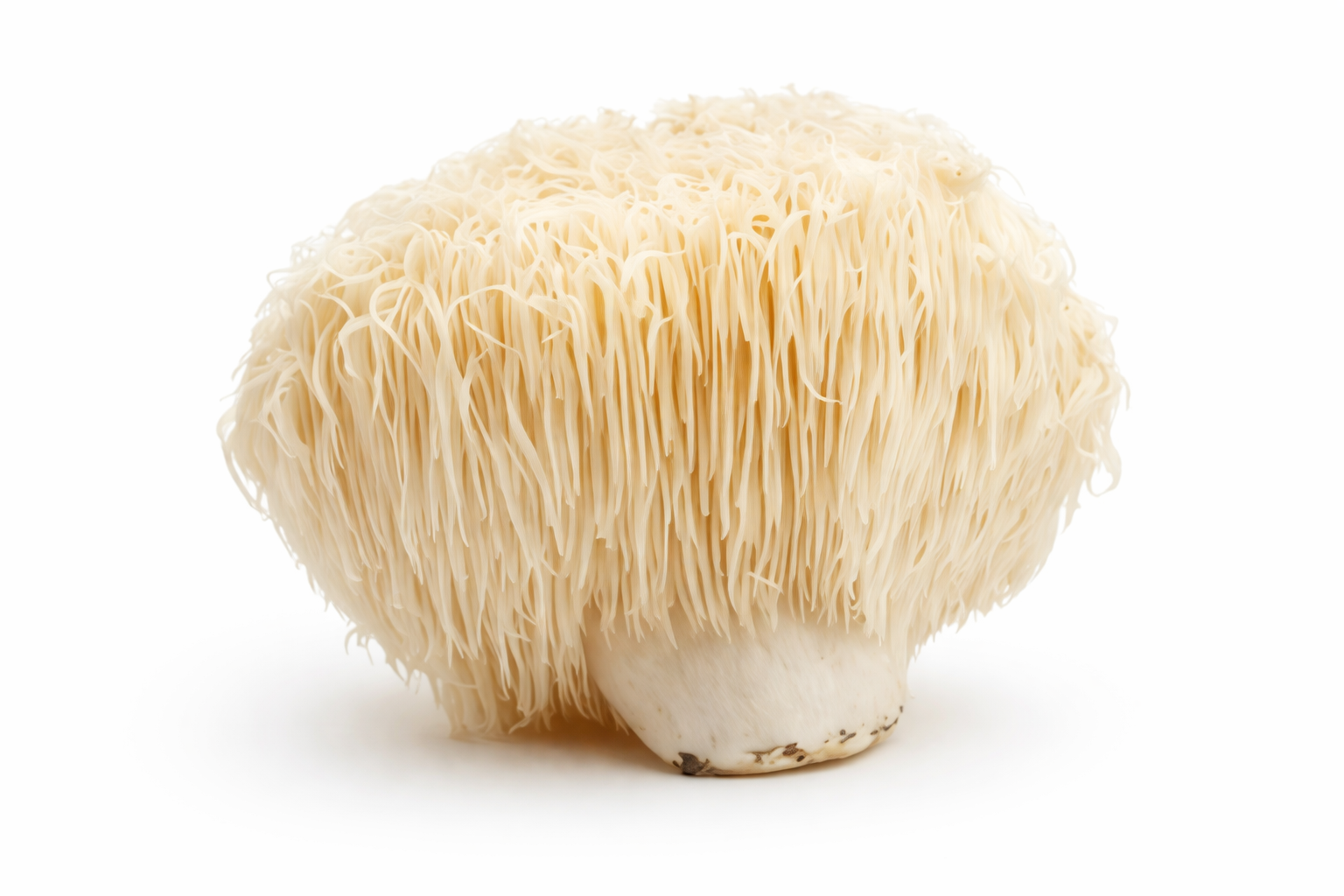
Lion’s mane mushroom is one of the most visually striking foods found in nature, a cascading white fungus that resembles a shaggy pom pom or the mane of a resting lion. Beyond its unusual appearance, this mushroom has earned growing attention for its potential role in supporting brain health, nerve function, and overall wellness. Known scientifically as Hericium erinaceus, lion’s mane has been used for centuries in traditional Asian cuisines and herbal practices, yet it is only in recent decades that modern research and wellness culture have brought it into the mainstream.
What sets lion’s mane apart from more familiar mushrooms is its unique biochemical makeup. It contains naturally occurring compounds called hericenones and erinacines, which have been studied for their ability to support the production of nerve growth factor, a protein involved in the maintenance and repair of neurons. This has made lion’s mane especially interesting to researchers studying cognitive health, memory, focus, and age related neurological changes. While laboratory and animal studies are strong, human research remains emerging, and the most responsible conclusion is that lion’s mane shows promise rather than guaranteed outcomes.
In practical terms, people are drawn to lion’s mane for a variety of wellness goals. It is commonly associated with mental clarity, improved concentration, mood balance, and stress resilience. Some studies have explored its potential role in supporting mild cognitive impairment and emotional well being, while others have examined anti inflammatory and antioxidant activity. Lion’s mane has also been studied for digestive health, as traditional use often linked it to gut comfort and stomach lining support. These diverse areas of interest reflect the mushroom’s complex nature, yet it is important to remember that individual responses vary and that lion’s mane is not a substitute for medical treatment.
Lion’s mane is not a single product but a category with several variations. In nature, it grows on hardwood trees, especially oak, beech, and maple, forming large rounded clusters. There are closely related species within the Hericium family, often called bear’s head tooth or coral tooth mushrooms, which share similar appearances and culinary uses, though most research focuses on Hericium erinaceus specifically. In commercial products, variations usually refer to form rather than species. These include fresh mushrooms, dried slices, powdered whole mushroom, concentrated extracts, mycelium based products, and blends combined with other functional mushrooms.
One reason lion’s mane has gained culinary popularity is its flavor and texture. When cooked, it has a mild, slightly sweet taste with a dense, fibrous structure that many people compare to crab or lobster. This has made it a favorite among chefs and home cooks looking for plant based alternatives with substance. When sautéed until golden, lion’s mane develops crisp edges and a tender interior, absorbing seasonings well without overpowering a dish. It can be roasted, grilled, shredded into patties, or added to soups and stir fries, making it both versatile and satisfying.
Most people consume lion’s mane in one of two ways, as food or as a supplement. Fresh lion’s mane can be found at farmers markets, specialty grocery stores, Asian markets, and from local mushroom growers. It is increasingly cultivated indoors, making it more accessible year round. In supplement form, lion’s mane appears as capsules, powders, tinctures, and drink additives, often marketed for daily cognitive support. Powders are commonly mixed into coffee, tea, smoothies, or oatmeal, while capsules appeal to those seeking convenience and consistency.
From a safety perspective, lion’s mane is generally considered well tolerated when eaten as food. Some individuals may experience mild digestive discomfort or allergic reactions, particularly those sensitive to mushrooms. Concentrated supplements deserve more caution, especially for people who are pregnant, managing medical conditions, or taking medications that affect blood sugar or blood clotting. As with any wellness trend, quality and sourcing matter, and exaggerated claims should be viewed skeptically.
Lion’s mane mushroom sits at an unusual crossroads between kitchen and clinic. It is both an enjoyable ingredient and a subject of ongoing scientific curiosity. Its rise reflects a broader shift toward foods that nourish not just the body, but the mind. While research continues to unfold, lion’s mane already offers something tangible, a flavorful meal, a moment of focus, and a reminder that sometimes the most intriguing health stories begin in the forest.