


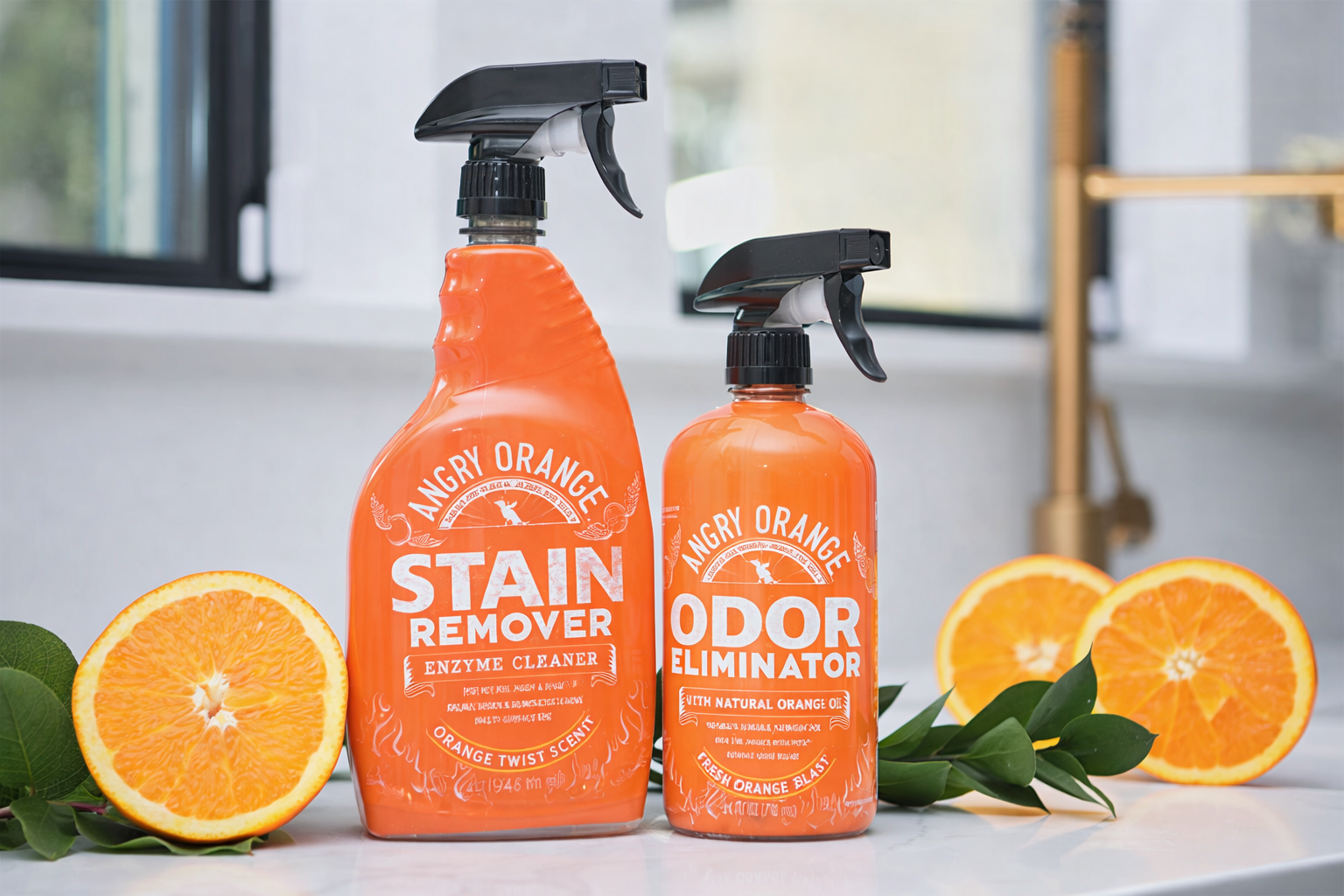
A nationwide recall of a widely used household cleaning product has raised new concerns about consumer safety after federal regulators confirmed the presence of potentially harmful bacteria in millions of bottles sold across North America.
The U.S. Consumer Product Safety Commission announced that approximately 1.5 million units of Angry Orange Enzyme Stain Remover have been recalled in the United States following testing that revealed contamination with several strains of bacteria, including Pseudomonas aeruginosa. An additional 43,700 units have been recalled in Canada through coordinated action with Canadian authorities.
The affected products were sold over a long period, stretching from 2019 through late 2025, and were marketed as enzyme-based solutions designed to eliminate pet stains and odors. Available in multiple sizes and scents, the product gained popularity through major retailers and online platforms, placing it in millions of homes nationwide before the contamination was identified.
Health officials note that Pseudomonas aeruginosa is a bacterium commonly found in soil and water and is not typically dangerous to healthy individuals. However, according to the Centers for Disease Control and Prevention, the organism can cause serious infections when it enters the body through broken skin, the eyes, or medical devices. In vulnerable populations, including older adults, people with weakened immune systems, and those with chronic lung disease, exposure can lead to bloodstream infections, pneumonia, and urinary tract infections.
While no confirmed illnesses have been linked to the recalled product as of this announcement, regulators stress that the absence of reported cases does not eliminate risk. Because enzyme cleaners are often sprayed directly onto surfaces and handled without protective gloves, the opportunity for accidental exposure is higher than with many other household products.
The manufacturer and distributor of the recalled product, Angry Orange, has issued instructions for consumers to stop using the stain remover immediately. Customers are being offered full refunds and are advised to dispose of the product in its original container. Authorities caution against pouring the liquid down household drains, as doing so could spread bacteria into plumbing systems or the environment.
In Canada, the recall is being overseen by Health Canada, which has echoed U.S. guidance and confirmed that the same product varieties were distributed north of the border. Canadian officials have also reported no illnesses to date but are urging consumers to take the recall seriously and remove the product from their homes.
This incident highlights a growing regulatory focus on bacterial contamination in everyday consumer goods, particularly liquids that contain organic or enzyme-based ingredients. Such products can provide an environment where bacteria multiply if manufacturing controls fail or preservatives break down over time. In recent years, similar recalls have affected hand soaps, disinfectants, and cosmetic products, underscoring the challenges manufacturers face in maintaining sterile conditions at scale.
Consumer safety advocates say the recall underscores the importance of promptly reporting adverse reactions and staying informed about product safety notices. Federal regulators encourage consumers to monitor recall announcements and to seek medical attention if they experience symptoms such as skin irritation, respiratory issues, or signs of infection after contact with recalled items.
As investigations continue into how the contamination occurred, the recall serves as a reminder that even routine household products can pose unexpected risks. Officials emphasize that recalls are preventative measures designed to protect public health before injuries or illnesses occur, and they urge consumers to follow disposal and refund instructions carefully.
For now, regulators maintain that the risk to the general public remains low, but they stress that removing contaminated products from circulation is a critical step in preventing potential harm.