


There is something quietly powerful about watching a child search for something they believe might be hidden just out of sight. Not scrolling. Not swiping. Searching. Eyes scanning the base of a tree. Hands brushing aside leaves. Minds turning over clues. That spark of curiosity is what geocaching taps into, and it does so with remarkable simplicity.
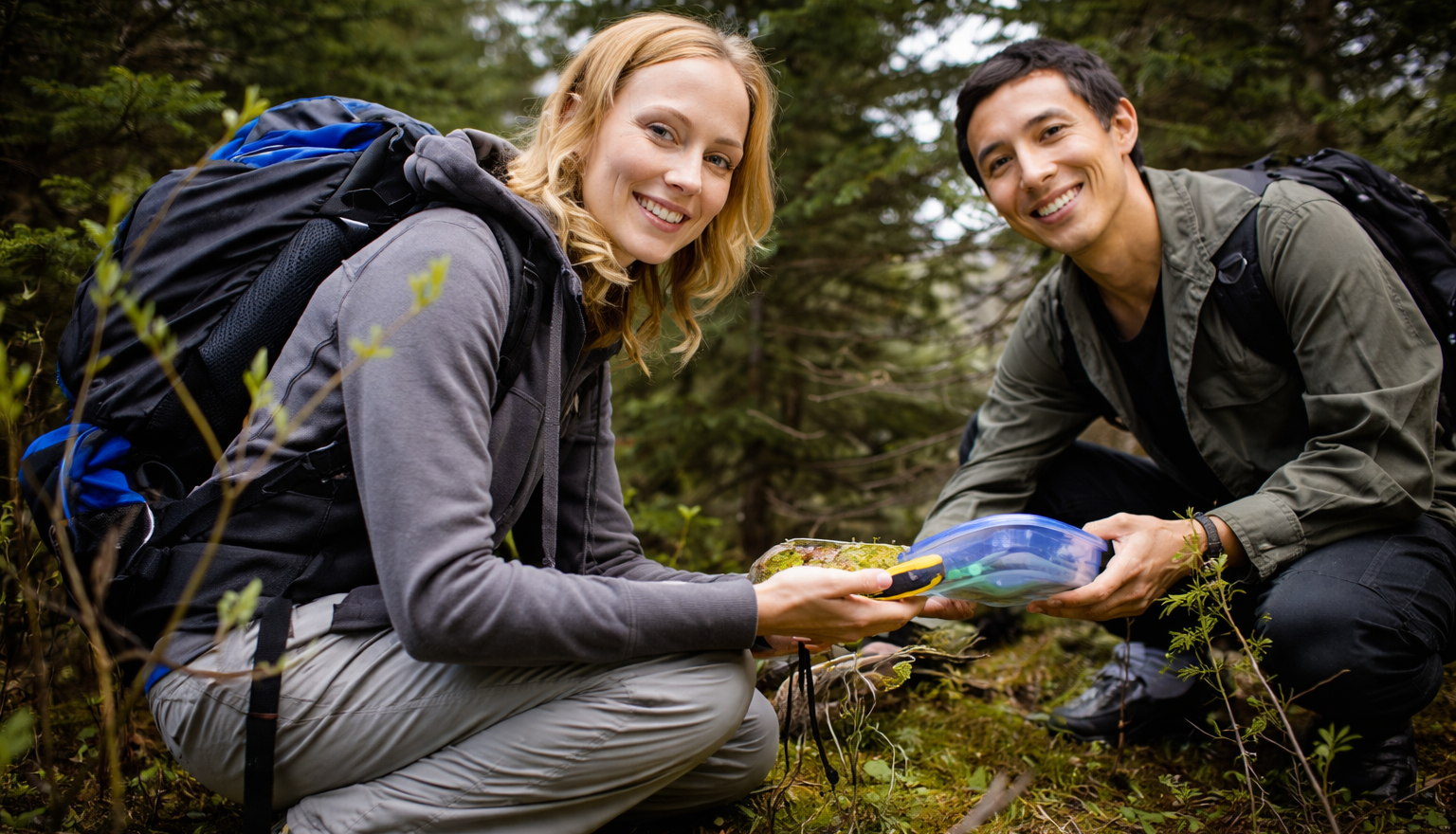
Geocaching is, at its core, a modern treasure hunt. Using GPS coordinates from the global platform Geocaching, participants locate hidden containers placed in parks, along trails, and sometimes in unexpected corners of town. Inside is usually a small logbook to sign, occasionally a few small trinkets to trade. The concept is straightforward. The experience is anything but.
For families here at home, geocaching offers something increasingly rare, shared exploration that costs almost nothing and requires only a smartphone and a willingness to step outside. It transforms ordinary ground into possibility. The tree in the corner of the yard becomes a landmark. The fence line becomes a boundary to investigate. The side of the shed becomes suspicious in the best possible way.
What makes geocaching especially compelling for parents and grandparents is that it blends technology with movement instead of replacing it. Children use devices to follow coordinates, but they must rely on observation, logic, and teamwork to complete the hunt. It is problem solving wrapped in fresh air.
The health benefits are not abstract. Kids walk more. They crouch, stretch, and explore. Adults move with them. The activity feels like play, yet it quietly encourages cardiovascular activity, balance, and coordination. Add in the mental lift that comes from time spent outdoors, and the result is an experience that supports both physical and emotional well-being.
But perhaps the most creative twist on geocaching is not finding someone else’s cache. It is building your own.
One increasingly popular idea among families is creating a private geocaching system designed exclusively for the household. Instead of listing coordinates publicly, parents purchase a small lockable geocache container or combination lockbox and establish a code known only to family members. The box can be hidden in the yard, moved weekly, or rotated between trusted relatives. Because the container requires a combination, it eliminates the concern of a passerby stumbling onto it and accessing the contents.
Each time the cache is relocated, new coordinates or handwritten clues can be shared with the children. One week it might involve simple directional hints. Another week it might require solving a math equation to unlock the final numbers. Older kids can be assigned the role of cache designer, challenging siblings or even parents. The activity becomes less about the container itself and more about the process of thinking, hiding, and discovering.
Rainy afternoons do not have to interrupt the tradition. Indoor geocaching hunts can weave through hallways and under tables, turning a house into a puzzle waiting to be solved. Still, most families find that the real reward is outdoors, where movement feels natural and discovery feels earned.
There is also room for neighborhood collaboration. A small circle of trusted families can coordinate private hunts across backyards, ensuring clear boundaries and safety guidelines. The result is shared laughter, friendly competition, and children who associate community with adventure instead of boredom.
Geocaching does not require expensive equipment or elaborate planning. It asks only for imagination and participation. It invites families to reexamine spaces they pass every day and to see them as landscapes of possibility.
The next time the familiar refrain of “there’s nothing to do” echoes through the house, consider this: the treasure map may already exist. It might lead to the base of the maple tree, behind the garden shed, or along the edge of the yard where sunlight filters through in the late afternoon. Sometimes the greatest adventures are not found miles away on a trail. Sometimes they begin a few steps from your own back door, waiting to be discovered.