


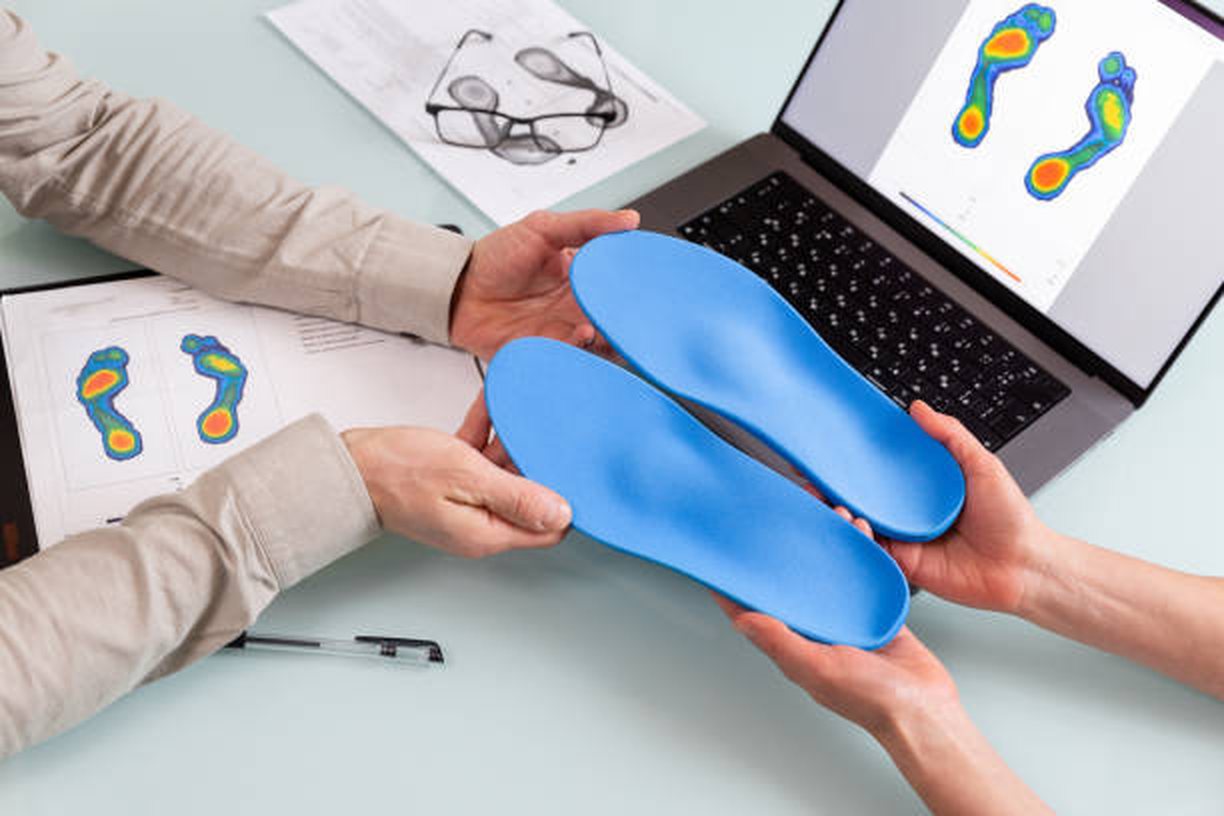
Few parts of the human body work harder and receive less attention than the feet. They carry the full weight of daily life, absorbing thousands of steps every day across sidewalks, work floors, trails, and living rooms. Yet many people ignore foot discomfort until it begins affecting knees, hips, or even the lower back. Increasingly, health professionals are encouraging people to pay closer attention to foot alignment, and one solution gaining widespread attention is the use of shoe orthotics.
Shoe orthotics are inserts placed inside footwear to support the structure and movement of the foot. While many people think of them as simple cushions or padded insoles, orthotics serve a much more precise purpose. They are designed to improve how the foot functions during walking and standing by correcting alignment, distributing pressure more evenly, and reducing stress on joints and soft tissue. In many cases, orthotics act as a foundation adjustment for the entire body.
The need for orthotics often begins with subtle warning signs. Persistent heel pain, tired feet after standing, arch discomfort, or recurring aches in the knees and lower back may all point to biomechanical issues originating in the feet. Conditions such as flat feet, unusually high arches, plantar fasciitis, tendon irritation, and uneven gait patterns commonly lead people to explore orthotic support. Individuals who spend long hours standing, veterans accustomed to years of physical strain, athletes, service workers, and aging adults frequently discover that foot alignment plays a larger role in overall wellness than they previously realized.
When foot mechanics are off balance, the body compensates. Ankles rotate differently, knees shift inward or outward, hips absorb additional strain, and posture changes subtly over time. Orthotics help restore more natural movement patterns, often relieving pain not only in the feet but throughout the body. For some people, the change can be immediate, while others notice gradual improvement as muscles and joints adapt to improved alignment.
One of the most common questions surrounding orthotics is whether they require a prescription. The answer depends largely on the severity of the problem. Over-the-counter orthotics are widely available at pharmacies, sporting goods stores, and online retailers. These prefabricated inserts provide general arch support and cushioning and are often sufficient for people experiencing mild discomfort or fatigue. Many health professionals suggest starting with a well-made store-bought insert before pursuing more specialized options.
However, when pain persists, worsens, or interferes with walking, professional evaluation becomes important. Podiatrists, orthopedic specialists, and physical therapists can assess foot structure, observe walking patterns, and evaluate pressure distribution. In cases involving structural abnormalities, chronic injury, arthritis, or medical conditions such as diabetes, custom orthotics may be recommended. These prescription devices are molded specifically to an individual’s feet and designed to address precise biomechanical needs rather than general comfort.
Custom orthotics are not necessarily better for everyone, but they serve an important role for individuals whose feet require targeted correction. The process typically involves a clinical examination, gait analysis, and either digital scanning or casting of the foot. While more expensive than retail inserts, they are often intended for long-term therapeutic use rather than temporary relief.
Understanding when to seek medical advice remains key. Occasional foot soreness after a long day is normal, but persistent morning heel pain, uneven shoe wear, difficulty standing for extended periods, or discomfort that travels up the legs may signal that professional guidance is worthwhile. Early attention to foot health can prevent more serious musculoskeletal problems later in life.
Orthotics also challenge a long-standing misconception that foot pain is simply an unavoidable part of aging. Advances in biomechanics and preventive medicine now emphasize proactive care. Supporting the feet properly can improve balance, reduce fatigue, enhance mobility, and help maintain an active lifestyle well into later years.
As awareness grows, orthotics are becoming less of a specialty medical device and more of a practical wellness tool. Whether purchased off the shelf or prescribed after evaluation by a podiatrist, their goal remains the same: helping people move more comfortably and efficiently through everyday life. For many, the path to better health does not begin with an intense workout or strict diet, but with something far simpler—taking care of the feet that carry them everywhere they go.