


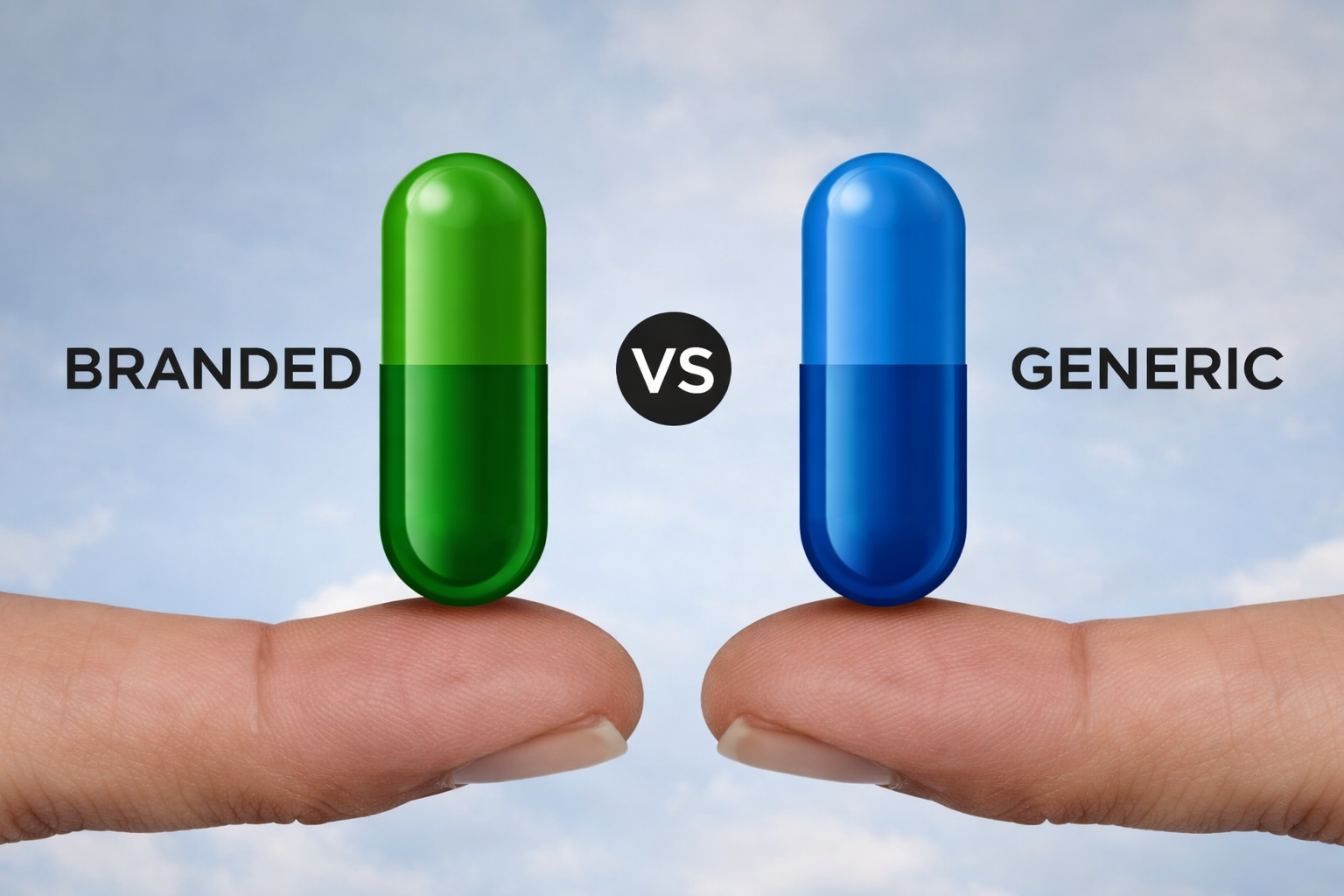
Walk through any pharmacy aisle or scroll through social media long enough and it becomes clear that hair-loss treatment has undergone a dramatic image makeover. Sleek subscription boxes, flavored gummies, minimalist branding, and telehealth promises of convenience have transformed a decades-old medication into what appears to be a modern wellness breakthrough. Yet when the numbers are placed side by side, a different story emerges, one centered less on medical innovation and more on marketing economics.
The active ingredient at the center of this booming industry is minoxidil, a medication first approved for medical use generations ago. It remains one of the most widely studied and commonly used treatments for hair thinning. Importantly, topical minoxidil is available over the counter throughout the United States. No prescription is required, no membership is necessary, and no specialized platform is needed to obtain it.
Despite that accessibility, subscription companies now offer branded hair-growth programs featuring chewable gummies or personalized treatment kits built around the same compound. These programs often cost between $35 and $60 per month depending on formulation and branding. Over six months, consumers typically spend between $210 and $360 for treatment delivered through a subscription service.
Placed next to traditional purchasing options, the price difference becomes striking.
A six-month supply of generic topical minoxidil foam or liquid purchased directly from a pharmacy or big-box retailer generally costs between $40 and $90 total. Warehouse stores frequently sell multi-month packages at even lower per-month pricing. The medication inside the bottle contains the same active ingredient concentration used in higher-priced subscription products.
For patients who consult a physician, another option exists. Oral minoxidil tablets, prescribed off-label by dermatologists for hair growth when medically appropriate, are among the least expensive prescription medications available. Generic versions at many pharmacies cost roughly $3 to $5 per month. Over six months, that totals approximately $18 to $30, often less than a single month of a branded subscription service.
The comparison illustrates the financial gap clearly. A consumer using a telehealth subscription may spend ten times more than someone receiving a generic prescription and several times more than someone buying over-the-counter minoxidil independently. The therapeutic ingredient remains unchanged; what varies is packaging, delivery format, and marketing presentation.
The rise of flavored chewables and curated treatment kits reflects a broader shift in healthcare toward lifestyle branding. Companies emphasize simplicity, personalization, and aesthetics. Products arrive in coordinated packaging designed to resemble premium skincare rather than traditional medicine. Automatic billing and recurring shipments reduce friction, encouraging long-term enrollment. These features create convenience, but they also embed marketing costs into the monthly price.
Hair-loss treatment requires ongoing use to maintain results, meaning pricing differences compound quickly. A consumer paying $50 per month through a subscription could spend $600 per year. Over the same period, a person purchasing generic topical minoxidil might spend closer to $80 annually, while a patient using prescribed oral minoxidil could spend under $60 depending on pharmacy pricing.
None of these figures suggest that convenience lacks value. Some individuals prefer telehealth access, simplified routines, or alternative delivery formats. However, the perception that newer branded products represent superior medicine does not align with the pharmacology. The medication driving hair growth remains widely available, inexpensive, and familiar to physicians and pharmacists alike.
The modern wellness marketplace increasingly rewards presentation. Attractive branding can make established treatments feel exclusive or newly discovered, even when they have existed for decades. Understanding the difference between medical innovation and marketing innovation allows consumers to make informed choices about where their healthcare dollars go.
The lesson emerging from today’s hair-loss industry is not that subscription services are inherently wrong, but that transparency matters. Consumers should know they have options. The same therapeutic ingredient can cost $30, $90, or more than $300 over six months depending entirely on how it is packaged and sold.
While healthcare costs continue to rise, recognizing when price reflects branding rather than medicine may be one of the most valuable forms of consumer awareness. Sometimes the most effective treatment is not the one wrapped in the most attractive box, but the one sitting quietly on a pharmacy shelf at a fraction of the price.