


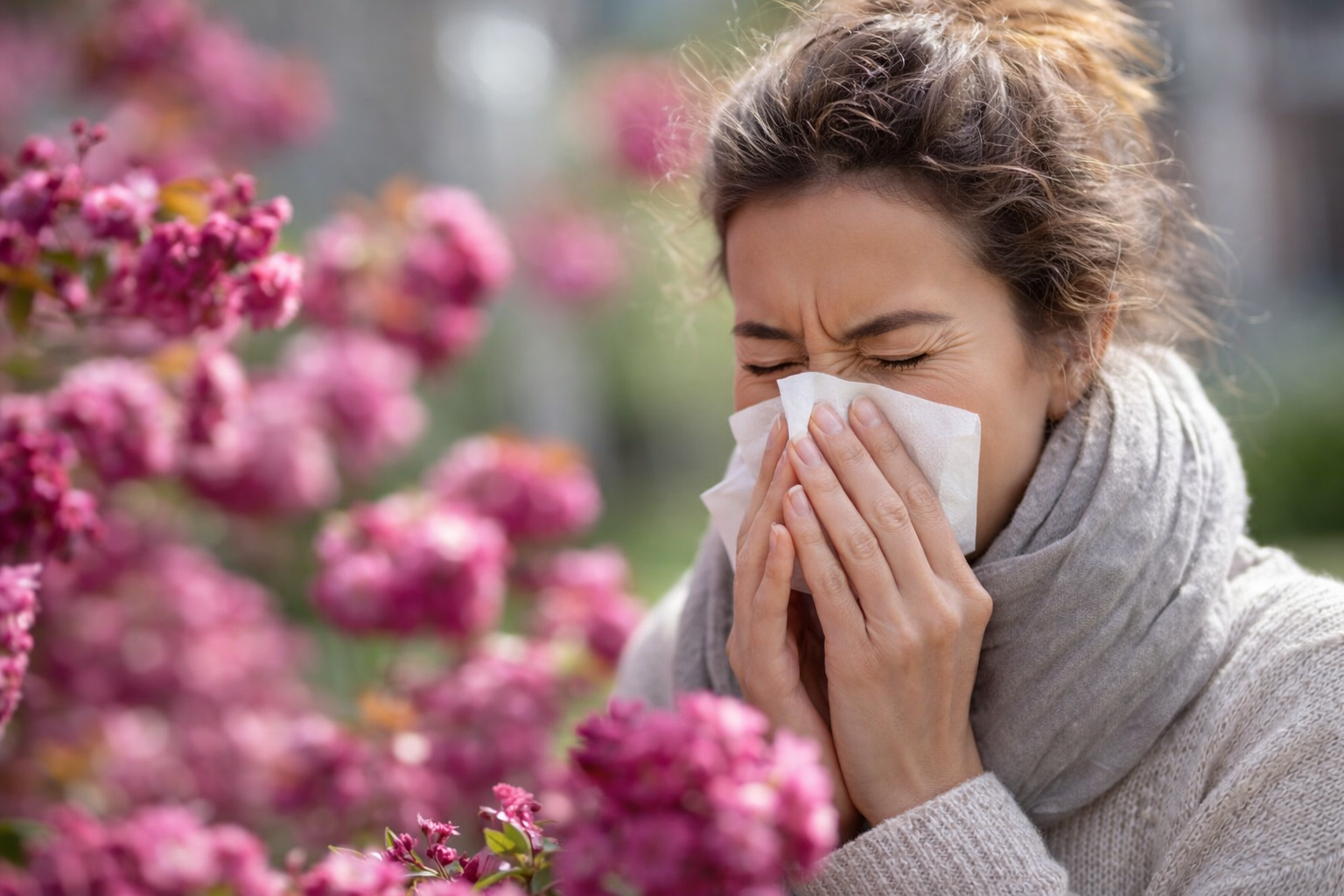
Trees are budding earlier, grasses are waking up sooner, and with them comes a familiar wave of sneezing, congestion, and fatigue. For those who struggle with seasonal allergies, an early spring can stretch the discomfort longer than expected. While over-the-counter medications remain a common response, a growing number of people are looking toward natural approaches to ease symptoms and support their bodies through the transition.
The underlying cause of seasonal allergies is the immune system misidentifying harmless particles such as pollen as a threat. In response, the body releases histamines, which trigger inflammation in the sinuses, eyes, and airways. Natural remedies do not eliminate pollen from the environment, but they can help regulate the body’s response and reduce the severity of symptoms.
One of the most accessible approaches begins with something as simple as rinsing the sinuses. Nasal irrigation, often done with a saline solution using a neti pot or squeeze bottle, helps flush out pollen and irritants before they can trigger a full immune response. This method has been used for generations and remains one of the most effective ways to relieve congestion naturally. Consistency matters more than intensity, and a gentle daily rinse during peak pollen periods can make a noticeable difference.
Diet also plays a role in how the body reacts to allergens. Foods rich in natural anti-inflammatory compounds can help calm the immune system. Leafy greens, berries, citrus fruits, and foods high in omega-three fatty acids support overall immune balance. Some individuals turn to local raw honey, believing that small, regular exposure to trace pollen in the honey may help the body gradually build tolerance. While scientific opinions vary on its effectiveness, many people report relief when incorporating it into their daily routine.
Hydration is another often overlooked factor. When the body is well hydrated, mucus remains thin and better able to trap and expel allergens. Dry airways, on the other hand, can become irritated and more reactive. Drinking adequate water throughout the day supports the body’s natural filtration systems and helps maintain comfort in the respiratory tract.
Herbal support has also gained attention as a complementary option. Plants such as stinging nettle and butterbur have been traditionally used to reduce inflammation and support respiratory health. These herbs are commonly available in teas or supplement form. While generally considered safe, it is important for individuals to understand their own sensitivities and consult reliable sources before introducing new supplements, especially if they are managing other health conditions.
Lifestyle adjustments can be just as impactful as dietary changes. Limiting exposure during peak pollen hours, typically early morning and late afternoon, can reduce the overall burden on the immune system. Keeping windows closed during high pollen days, using air purifiers indoors, and changing clothes after spending time outside can all help prevent pollen from settling into living spaces. Small habits like removing shoes at the door and showering before bed can further reduce nighttime symptoms.
Sleep and stress management should not be underestimated. A well-rested body is better equipped to regulate immune responses. Chronic stress, on the other hand, can heighten inflammation and make symptoms feel more severe. Gentle exercise, fresh air in low-pollen conditions, and relaxation techniques can all contribute to a more balanced system.
As spring unfolds earlier than expected, those dealing with seasonal allergies are adjusting in real time. There is no single solution that works for everyone, but a combination of natural strategies can offer meaningful relief. By supporting the body rather than simply suppressing symptoms, many are finding a steadier path through allergy season, even when it arrives ahead of schedule.