


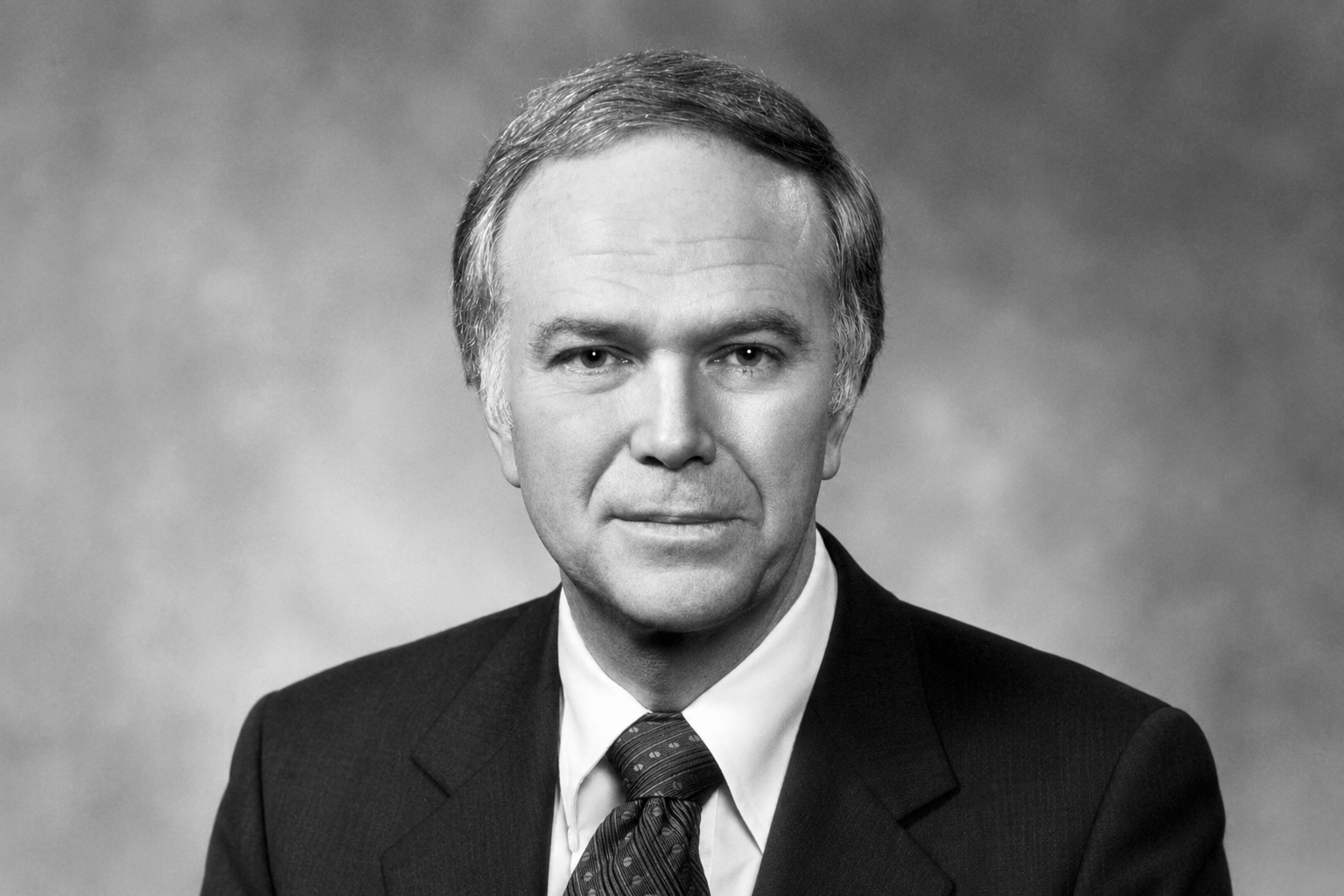
The passing of former U.S. Senator Bob Packwood marks the end of a remarkable and often complicated chapter in Oregon’s political history. For more than a quarter century, Packwood stood at the center of some of the nation’s most significant legislative debates while serving as one of Oregon’s most recognizable political figures. His death at age 93 has prompted reflection across the state on a career that helped shape public policy in Washington and left a lasting imprint on Oregon politics.
Born in Portland in 1932, Packwood emerged from a generation of leaders whose political careers were forged in an era when bipartisan cooperation was often viewed as a necessity rather than a rarity. After serving in the Oregon Legislature, he launched a successful campaign for the United States Senate in 1968, defeating longtime incumbent Wayne Morse and beginning what would become one of the longest Senate tenures in Oregon history.
When Packwood arrived in Washington, the political landscape looked very different than it does today. Over the years, he developed a reputation as an independent-minded Republican who frequently crossed political lines when he believed it served the interests of his constituents or the country. His willingness to take positions that sometimes differed from members of his own party earned him both praise and criticism, but it also established him as one of Oregon’s most influential voices on the national stage.
Throughout his Senate career, Packwood became deeply involved in issues ranging from taxation and economic policy to environmental protection and social legislation. He played a significant role in the development of federal tax reform efforts during the 1980s, helping craft legislation that remains one of the most sweeping overhauls of the nation’s tax code in modern history. His work on economic policy elevated him to the chairmanship of the powerful Senate Finance Committee, placing an Oregon senator at the center of some of Washington’s most consequential financial debates.
Packwood also became known for supporting legislation that expanded family leave protections and advanced opportunities for women in the workplace. At a time when political labels often carried rigid expectations, he frequently demonstrated a willingness to take positions based on policy considerations rather than party loyalty. That approach reflected a style of politics that many longtime Oregonians remember as characteristic of an earlier era.
His influence extended well beyond Capitol Hill. In Oregon, Packwood helped establish the Dorchester Conference, an annual gathering that brought together elected officials, candidates, community leaders, and citizens from across the political spectrum. Decades later, the conference continues to serve as one of Oregon’s most enduring political traditions, providing a forum where ideas are exchanged and future leaders often emerge.
For many residents, Packwood represented a generation of public officials who helped elevate Oregon’s profile on the national stage. During his years in office, Oregon experienced significant growth and increasing influence in federal policymaking. Whether addressing environmental concerns, economic development, transportation issues, or public lands management, Packwood often found himself involved in matters that directly affected life in the Pacific Northwest.
Yet the story of Bob Packwood cannot be told without acknowledging the events that ultimately brought his Senate career to an abrupt conclusion. In the early 1990s, allegations of sexual misconduct from multiple women led to an extensive Senate Ethics Committee investigation. The inquiry eventually concluded that Packwood had engaged in a pattern of inappropriate behavior and had attempted to obstruct the investigation. Facing the prospect of expulsion from the Senate, he resigned in 1995, ending a political career that had spanned more than twenty-five years.
The scandal became one of the most prominent ethics cases in congressional history and fundamentally altered how many Americans viewed accountability in public office. It also changed the trajectory of Oregon politics. The vacancy created by Packwood’s resignation eventually led to the election of Ron Wyden, who continues to serve Oregon in the Senate today.
As news of Packwood’s death spreads across Oregon, many residents are remembering a public figure whose career reflected both extraordinary political accomplishment and profound personal controversy. His legacy remains one of the most complex in Oregon’s modern political history. He was a senator who helped write major pieces of national legislation, championed issues that crossed partisan boundaries, and brought national attention to Oregon. At the same time, the circumstances surrounding his departure from office became a defining part of how history remembers him.
For younger Oregonians, Packwood’s name may be encountered primarily in history books, archives, and political discussions. For older generations, however, he remains a familiar figure whose rise, influence, and fall unfolded during a transformative period in both Oregon and American politics.
Oregon closes another chapter in the story of a political era that helped shape the state many residents know today. The debates over Bob Packwood’s legacy will likely continue for years to come, but his impact on Oregon’s political landscape remains undeniable.