


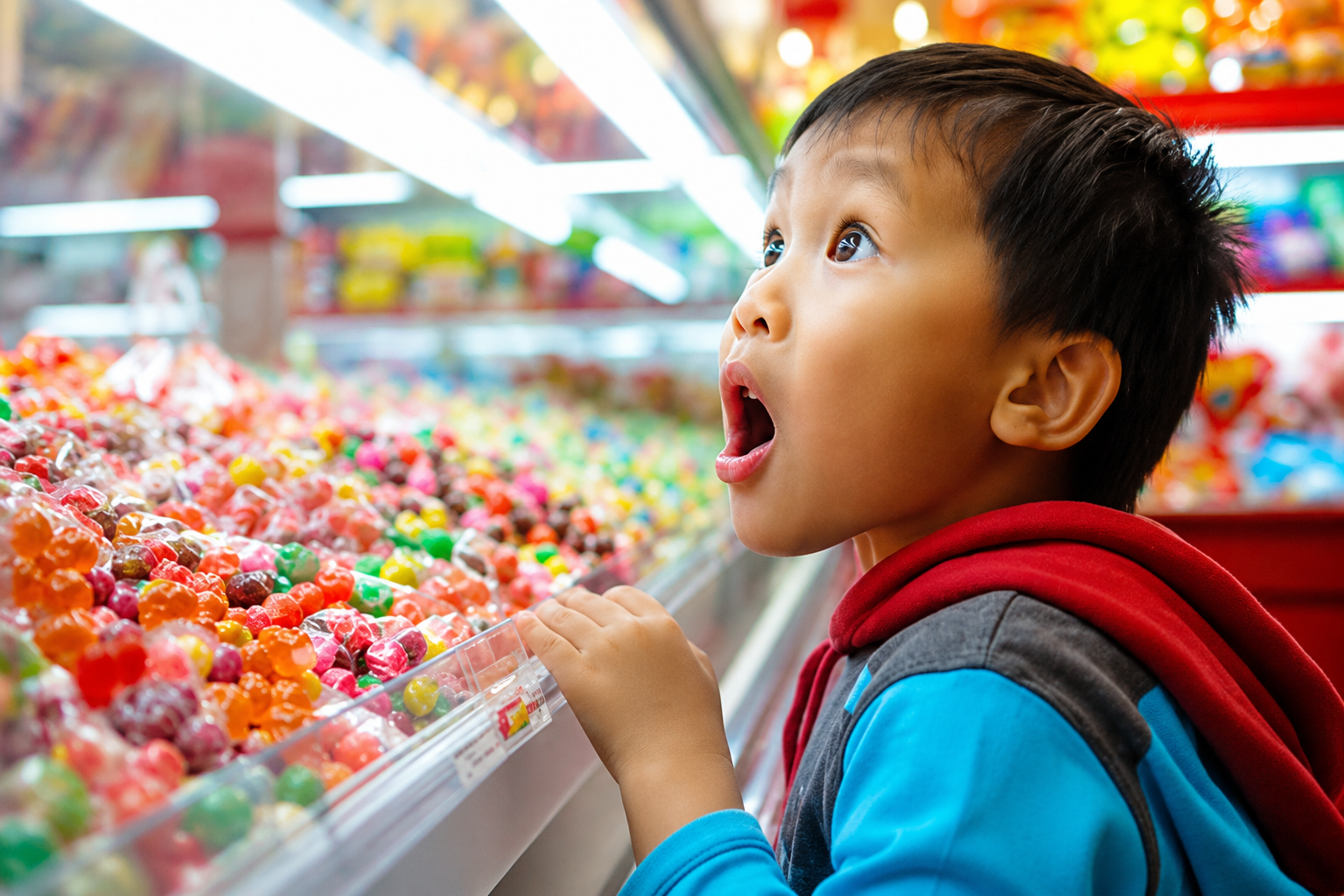
For years, public health officials searched for ways to convince Americans to cut back on sugar.
Doctors warned about obesity. Nutritionists sounded alarms about diabetes. Researchers published study after study linking excessive sugar consumption to chronic disease, inflammation, weight gain, and metabolic disorders. Yet despite decades of educational campaigns, the average American continued consuming sweetened foods at levels well above recommended guidelines.
What health experts could not accomplish through pamphlets, advertisements, and nutritional advice may now be happening for a completely different reason.
Candy is becoming expensive.
Walk through nearly any grocery store in America and the evidence is impossible to miss. The impulse purchases that once occupied the space between pocket change and a dollar bill have become noticeably more expensive. Chocolate bars, gummy candies, family-sized bags, and seasonal treats now carry prices that cause many shoppers to pause before dropping them into a cart.
The increase is not insignificant. Over the past five years, candy prices have climbed dramatically as manufacturers absorbed rising labor costs, transportation expenses, packaging materials, ingredient shortages, and historic increases in cocoa prices. What was once considered a cheap indulgence is increasingly being treated like a discretionary purchase.
That shift may be having consequences that extend far beyond household budgets.
Unlike fresh produce, lean proteins, or whole grains, candy offers virtually no nutritional necessity. It exists almost entirely within the category of pleasure-based consumption. There is nothing inherently wrong with enjoying sweets in moderation, but the average American diet has long struggled with moderation where sugar is concerned.
Many adults consume far more added sugar than health experts recommend. The consequences are visible across the healthcare landscape. Rates of obesity, Type 2 diabetes, fatty liver disease, and cardiovascular illness continue to place enormous pressure on both individuals and healthcare systems.
For years, the challenge has been behavioral. People understand that excessive sugar consumption is unhealthy. Knowledge, however, does not always change habits.
Price often does.
Economists have long understood that consumers modify behavior when costs rise. The same principle affects gasoline consumption, tobacco use, alcohol purchases, and restaurant spending. Candy is no different. As prices increase, consumers naturally begin asking whether a product delivers enough value to justify the expense.
In many cases, the answer is becoming increasingly difficult to defend.
A family spending ten dollars on several candy purchases during a shopping trip may discover that the same money could purchase fruit, yogurt, nuts, or ingredients for multiple meals. The comparison becomes even more striking when viewed over an entire year. Small daily purchases that seem insignificant in the moment can quietly consume hundreds or even thousands of dollars annually.
The result is an unusual intersection between financial wellness and physical wellness.
Consumers attempting to stretch grocery budgets are often reducing purchases of products that nutrition experts have encouraged them to limit for decades. The motivation may be economic rather than medical, but the outcome can be remarkably similar.
No one is suggesting that candy should disappear entirely. Birthday parties, holidays, celebrations, and occasional treats remain part of everyday life. The issue is not enjoyment. The issue is frequency.
As grocery prices continue to reshape purchasing habits across the country, candy may be emerging as one of the clearest examples of a product caught between consumer demand and economic reality. Americans may be spending more when they choose to indulge, but many appear to be indulging less often.
For households focused on both their health and their finances, that may be one of the few inflation stories with an unexpected upside.