


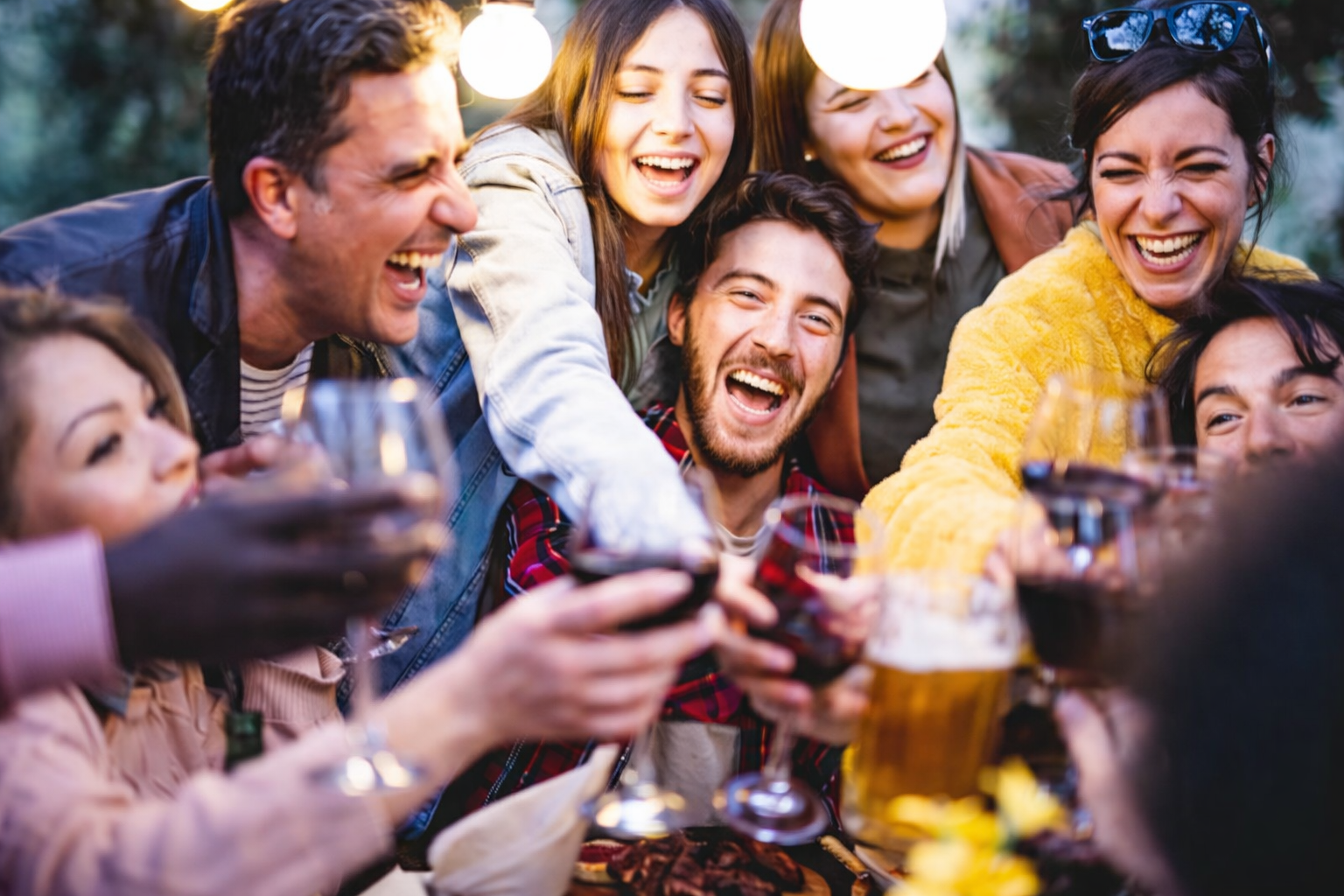
Choosing not to drink alcohol no longer means choosing to stay home. Across the country, more people are embracing sober lifestyles while continuing to enjoy the social experiences that have traditionally revolved around alcohol. Whether the decision is motivated by health, recovery, personal preference, fitness goals, or simply a desire to feel better, many are discovering that friendship, conversation, and connection matter far more than what is inside a glass.
One of the greatest misconceptions about sobriety is the belief that social life must come to an end. In reality, the opposite can be true. Restaurants, wineries, breweries, concerts, sporting events, and community gatherings are not solely about alcohol. They are places where people gather to celebrate milestones, share stories, laugh, reconnect, and spend meaningful time together.
The social benefits of maintaining friendships and remaining active in the community are well documented. Human connection plays a vital role in emotional well-being, helping reduce feelings of isolation while supporting overall mental health. For many adults, social outings provide opportunities to strengthen relationships and create memories. Those benefits do not disappear simply because someone chooses not to drink.
Today’s hospitality industry has also adapted to changing consumer preferences. Mocktails, alcohol-free beers, sparkling botanical beverages, and creative nonalcoholic drink menus have become increasingly common. Many establishments now recognize that not every guest wants alcohol, yet everyone deserves an enjoyable experience. For those who enjoy the ritual of sharing a drink without consuming alcohol, these alternatives provide an option that allows participation without compromise.
Others may prefer simplicity. A glass of iced tea, sparkling water, coffee, lemonade, soda, or juice can be just as satisfying during a night out. The beverage itself often becomes secondary to the conversation taking place across the table. Most friends are far more interested in companionship than whether someone orders a cocktail or a cup of coffee.
Of course, sobriety looks different for everyone. Some individuals in recovery may find bars, wineries, or drinking-centered environments uncomfortable or triggering. In those situations, avoiding such settings can be an important and healthy choice. Every person’s journey is unique, and understanding personal boundaries remains essential. However, for individuals who are comfortable around alcohol and have established confidence in their decision not to drink, social settings do not have to be off limits.
One often overlooked advantage of sobriety is the opportunity to become the designated driver. Having a trusted sober friend provides peace of mind for everyone in a group. It allows others to enjoy an evening responsibly while ensuring everyone gets home safely. In many social circles, the designated driver quietly becomes one of the most valuable people at the table.
There are practical benefits as well. Sober individuals avoid hangovers, dehydration, disrupted sleep, and many of the next-day effects associated with alcohol consumption. They often wake up feeling refreshed, productive, and ready to enjoy the following day without recovery time.
Perhaps the most important lesson is that alcohol has never been the true centerpiece of friendship. The laughter, conversations, celebrations, and shared experiences are what people remember. Choosing not to drink does not require stepping away from life’s social moments. It simply means participating in them differently.
Personal wellness and mental health have become increasingly important; sobriety and social engagement no longer need to exist on opposite sides of the equation. People can still gather with friends, attend celebrations, visit wineries, enjoy concerts, and participate in community life while remaining completely alcohol-free. For many, that balance offers the best of both worlds: meaningful connection without compromise, and memorable evenings followed by clear mornings.