


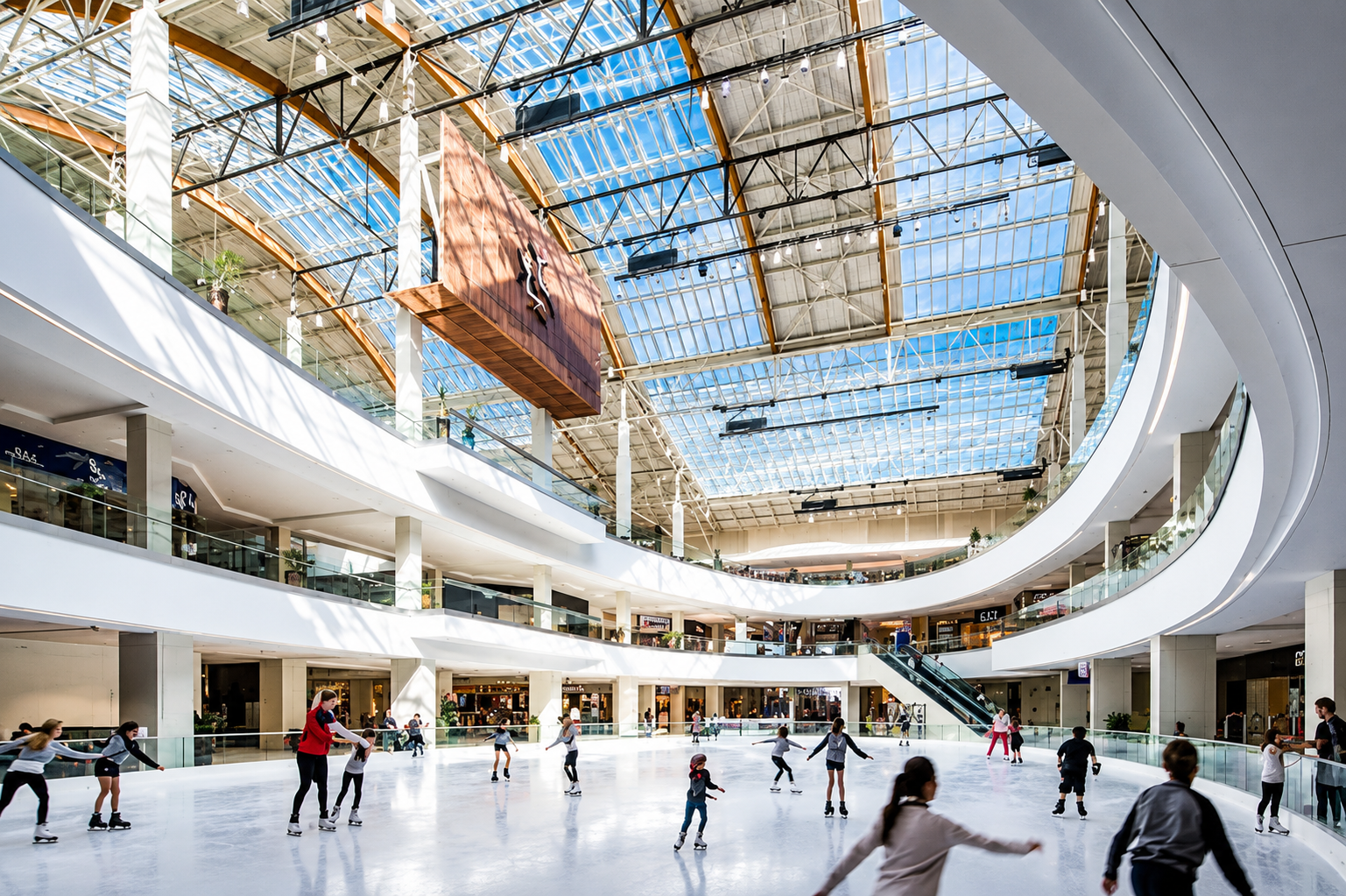
One of Oregon’s most recognizable commercial properties is moving closer to a new chapter as plans to redevelop Portland’s Lloyd Center continue advancing through the city’s approval process. The project, which would transform the aging shopping mall into a mixed use neighborhood featuring housing, retail businesses, offices, parks and public gathering spaces, represents one of the largest private redevelopment efforts currently planned in the state.
The redevelopment follows years of declining occupancy at the once thriving shopping destination, reflecting broader changes that have reshaped retail centers across Oregon and the nation. As consumer habits shifted toward online shopping and demand grew for neighborhoods that combine housing, employment and entertainment within walkable communities, many traditional enclosed malls have struggled to remain economically viable.
Developers say the Lloyd Center property offers an opportunity to reimagine nearly 30 acres of centrally located land into a modern urban district that aligns with Portland’s long term housing and economic development goals. Plans call for replacing much of the existing enclosed mall with thousands of residential units, new commercial storefronts, restaurants, office space, expanded pedestrian connections, public streets and several acres of parks and open space.
City officials view the redevelopment as an important component of Portland’s efforts to increase housing supply while encouraging development near existing public transportation. The property sits within the Lloyd District, one of the city’s primary transit hubs, with direct access to MAX light rail, bus routes, bicycle infrastructure and nearby interstate highways. Supporters believe concentrating new housing and businesses in areas already served by transportation infrastructure can help accommodate future population growth while reducing pressure for outward expansion.
The project cleared a significant milestone after the Portland City Council rejected appeals challenging the approved master plan. The appeals were filed by community organizations and preservation advocates who raised concerns about several aspects of the redevelopment, including the future of the Lloyd Center Ice Rink.
For many Oregonians, the ice rink represents more than a recreational facility. Since the mall opened in 1960, it has served generations of figure skaters, youth hockey players, families, school groups and recreational visitors. The rink is also recognized as Portland’s only permanent indoor ice skating facility, making its future a focal point throughout the planning process.
Organizations advocating for preservation argued that the rink remains an important community asset and should either remain in place or be replaced with a comparable facility as redevelopment moves forward. Supporters contend that losing the rink would reduce recreational opportunities for residents while eliminating a longstanding landmark that has become closely associated with the Lloyd Center’s identity.
Although council members acknowledged the rink’s historical and cultural significance, they determined the redevelopment proposal satisfied the applicable land use requirements and that existing planning regulations did not provide a legal basis to require preservation or replacement of the facility as part of the master plan approval. As a result, the appeals were denied, allowing the redevelopment process to continue.
The economic implications of the project extend well beyond Portland. Redevelopment of a property this size is expected to generate years of construction activity, creating work for contractors, engineers, architects, suppliers and skilled trades throughout Oregon. Once completed, the new neighborhood is expected to support permanent employment through retail businesses, restaurants, offices, property management and other commercial services.
The project also reflects a broader trend affecting communities across Oregon as aging shopping malls face increasing pressure to adapt to changing consumer behavior and evolving economic conditions. Rather than relying solely on retail tenants, many large commercial properties are being evaluated for mixed use redevelopment that combines housing, employment, recreation and public amenities within a single neighborhood.
Developers have indicated that demolition of portions of the existing mall will occur in phases following the mall’s planned closure, allowing construction to proceed over several years. Because of the project’s size and complexity, redevelopment is expected to occur gradually, with multiple construction phases ultimately reshaping one of Portland’s best known commercial districts.
While debate over the future of the Lloyd Center Ice Rink is likely to continue, the broader redevelopment effort now appears positioned to move forward. For Oregon residents, the project illustrates how communities are responding to changing economic realities by transforming aging retail properties into mixed use developments designed to meet future housing needs, support business investment and create new opportunities for long term economic growth.