


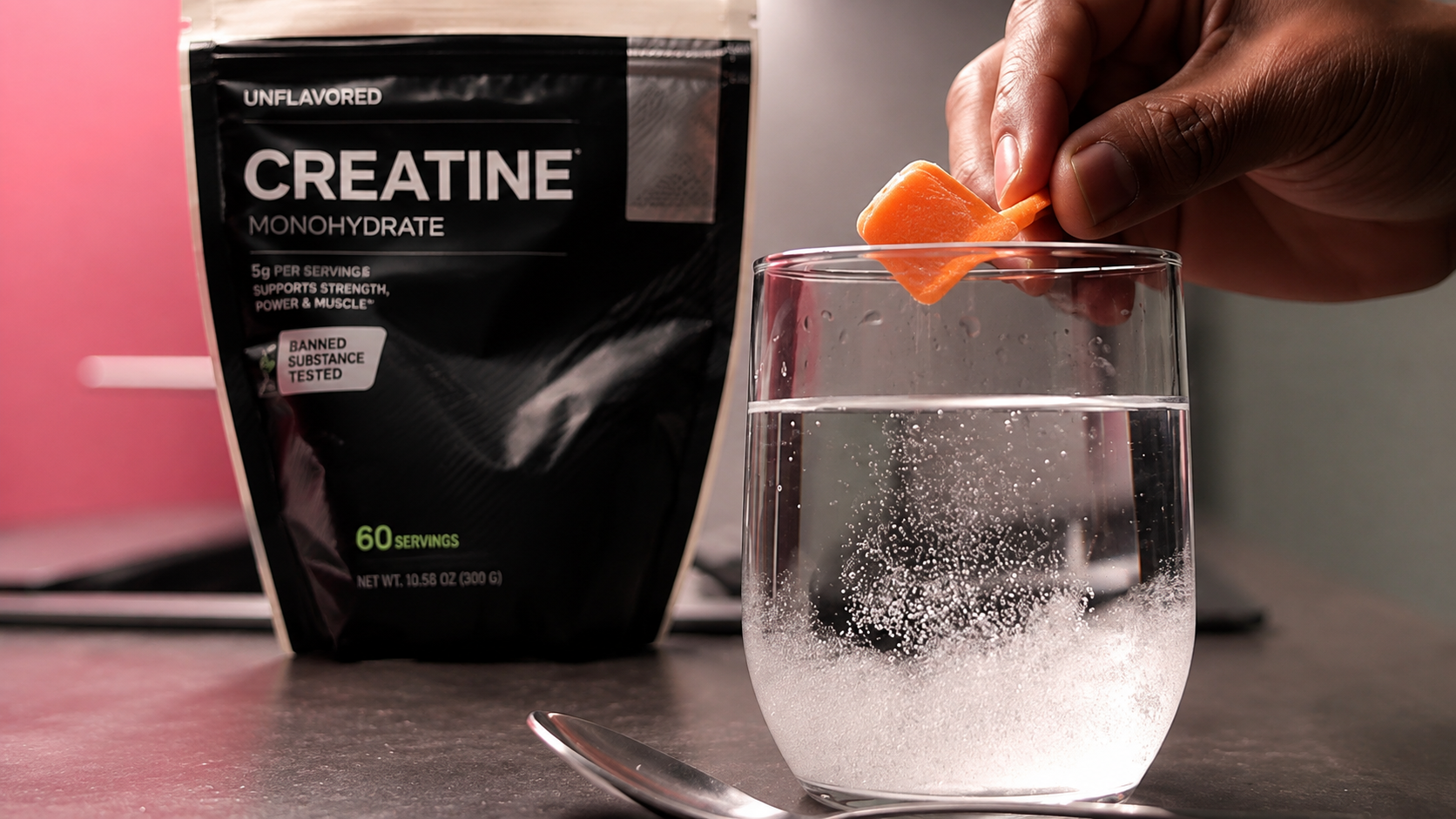
Creatine has become one of the most widely recognized names in health and wellness, yet it remains one of the most misunderstood. Often associated with bodybuilders and competitive athletes, creatine is frequently viewed as a specialty supplement designed only for building muscle. In reality, creatine is a naturally occurring compound that plays a critical role in how every human body produces energy. It is found naturally in muscle tissue, produced by the body every day, and obtained through certain foods. For many healthy adults, it is already working behind the scenes without them ever realizing it.
As research has expanded over the past three decades, scientists have developed a much clearer understanding of how creatine functions and who may benefit from increasing their intake. While supplementation has become common among athletes, researchers have also explored its potential role in healthy aging, exercise recovery, muscle preservation, and overall physical performance. Understanding what creatine is, what it does, and when supplementation may or may not be appropriate can help consumers make informed decisions based on science rather than marketing claims.
Creatine is a naturally occurring compound synthesized from the amino acids arginine, glycine, and methionine. The body manufactures approximately one to two grams each day, primarily through the liver, kidneys, and pancreas. Once produced, creatine travels through the bloodstream and is stored predominantly inside skeletal muscle, where approximately 95 percent of the body’s creatine reserves are located. The remaining amount is distributed throughout the brain, heart, and other organs that also require rapid access to energy.
Inside muscle cells, creatine is converted into phosphocreatine, an energy reserve that serves as a backup system during periods of intense physical activity. Every movement the body makes depends on adenosine triphosphate, commonly known as ATP, which functions as the body’s immediate energy currency. However, ATP stores are extremely limited and are depleted within seconds during activities such as lifting weights, sprinting, climbing stairs, or performing other high-intensity movements. Phosphocreatine helps restore ATP almost instantly, allowing muscles to continue producing force for short periods before other energy systems take over.
This rapid energy recycling is the primary reason creatine has become so popular in sports nutrition. Rather than acting as a stimulant or hormone, creatine simply enhances the body’s ability to replenish energy during brief, explosive efforts. It does not increase energy in the same way caffeine does, nor does it artificially alter hormone levels. Instead, it supports a natural biological process that already occurs within every person’s muscles.
Although the body manufactures creatine naturally, dietary intake can also contribute to overall creatine stores. Animal-based foods are the primary natural source. Beef, pork, salmon, tuna, and herring all contain measurable amounts of creatine, with herring ranking among the richest dietary sources. Depending on the type of meat or fish, approximately one to two grams of creatine may be found in a pound of uncooked product. Cooking can reduce some of that content, meaning actual intake varies depending on preparation methods.
Plant-based foods, however, contain little to no creatine. Fruits, vegetables, grains, legumes, nuts, seeds, eggs, and dairy products provide virtually none of the compound. As a result, vegetarians and vegans often have lower creatine stores within their muscles compared with individuals who regularly consume meat or fish. Research has shown that people with naturally lower creatine levels frequently experience a greater response when supplementing because they begin with smaller reserves.
For many healthy adults who consume a balanced diet containing animal protein and engage in moderate daily activity, supplemental creatine is not considered essential. The body generally produces enough to support normal physiological functions, while dietary intake helps replenish routine losses. Supplementation becomes more relevant for individuals who participate in regular resistance training, competitive athletics, or physically demanding occupations where repeated bursts of power are required.
Strength athletes, football players, wrestlers, sprinters, rowers, hockey players, and individuals involved in high-intensity interval training have consistently demonstrated measurable improvements in strength, power output, and training performance when creatine supplementation is combined with structured exercise. One of the most significant findings in sports nutrition research is that creatine itself does not directly build muscle. Instead, it enables many individuals to perform additional repetitions, lift heavier weights, recover more efficiently between sets, and maintain higher training intensity over time. Those improvements often translate into greater muscle development because of increased training volume rather than because creatine directly stimulates muscle growth.
Researchers have also studied creatine in older adults. Aging naturally leads to a gradual decline in muscle mass and strength, a condition known as sarcopenia. Numerous studies have shown that older adults participating in resistance training may preserve more muscle mass and improve physical function when creatine supplementation is included as part of a supervised exercise program. Maintaining muscle strength later in life may also reduce the likelihood of falls and improve overall independence.
Beyond athletics, scientists continue investigating creatine’s potential role in neurological health because small amounts are stored within the brain. While early findings have shown promise in certain areas of cognitive function and neurological disease research, evidence remains mixed, and creatine should not be viewed as a treatment for neurological disorders. More research is needed before definitive conclusions can be drawn.
Consumers shopping for creatine supplements will quickly discover numerous products marketed under different names, including creatine hydrochloride, buffered creatine, creatine nitrate, and creatine ethyl ester. Despite the growing number of formulations, creatine monohydrate remains the most extensively studied and consistently supported form available. It has demonstrated reliable effectiveness, an excellent safety profile, and is generally the most economical option. Most sports medicine professionals and nutrition researchers continue to recommend creatine monohydrate as the preferred choice for individuals who decide to supplement.
Several methods of supplementation are commonly used. Some individuals choose a loading phase by consuming approximately 20 grams daily, divided into four separate doses, for five to seven days before transitioning to a maintenance intake of three to five grams per day. Others simply begin with a maintenance dose of three to five grams daily from the start. Although muscle saturation occurs more gradually without loading, both approaches ultimately achieve similar long-term creatine levels within muscle tissue.
Creatine powder is most commonly mixed into water, juice, or a protein shake. Because creatine draws water into muscle cells, maintaining adequate hydration throughout the day is recommended. Many individuals also choose to consume creatine alongside a meal containing carbohydrates and protein, as insulin released during digestion may modestly improve creatine uptake into muscle cells. While timing appears less important than consistent daily use, regular supplementation helps maintain elevated muscle creatine stores over time.
For those unable or unwilling to take supplements, consuming creatine-rich foods remains the only natural dietary option. Including lean beef, pork, salmon, tuna, or herring as part of a balanced diet will contribute creatine while also providing high-quality protein, iron, zinc, vitamin B12, and omega-3 fatty acids in the case of many fish species. Although obtaining the equivalent amount of creatine found in supplements through food alone often requires eating relatively large portions of meat or fish, these foods remain valuable nutritional sources for individuals seeking to maximize dietary intake.
Safety remains one of the strongest aspects of creatine research. Decades of scientific investigation involving healthy adults have consistently found no convincing evidence that recommended doses of creatine monohydrate damage healthy kidneys or liver. Mild water retention inside muscle cells and modest weight gain during the first week or two are among the most commonly reported effects, largely reflecting increased water stored within muscle tissue rather than body fat. Some individuals may experience temporary stomach discomfort or diarrhea if large amounts are consumed at one time, which is why dividing higher doses throughout the day is often recommended. Individuals with existing kidney disease or other significant medical conditions should consult their healthcare provider before beginning supplementation.
One persistent misconception is that creatine causes hair loss. This belief originated from a small study that observed temporary changes in a hormone associated with male pattern baldness. However, subsequent research has not demonstrated a direct link between creatine supplementation and hair loss, and current scientific evidence does not support the claim that creatine causes baldness.
Another common misunderstanding is that creatine is an anabolic steroid. It is not. Creatine is neither a hormone nor a performance-enhancing drug in the traditional sense. It is a naturally occurring nutrient involved in normal cellular energy production and is permitted by major athletic organizations around the world.
For individuals considering creatine, the decision ultimately depends on personal health goals. Those focused on building strength, improving athletic performance, preserving muscle during aging, or increasing the effectiveness of resistance training may find meaningful benefits. Others who maintain an active but less strenuous lifestyle and already consume a balanced diet may experience little noticeable advantage from supplementation.
The growing popularity of creatine reflects decades of scientific research rather than short-term fitness trends. Understanding how it works, where it comes from, and who may benefit allows consumers to separate evidence from advertising and make informed decisions that support their individual health and wellness goals. For many people, creatine is not a miracle supplement, but it remains one of the most thoroughly researched nutritional compounds available and one of the clearest examples of how science continues to shape modern approaches to fitness, nutrition, and healthy aging.