


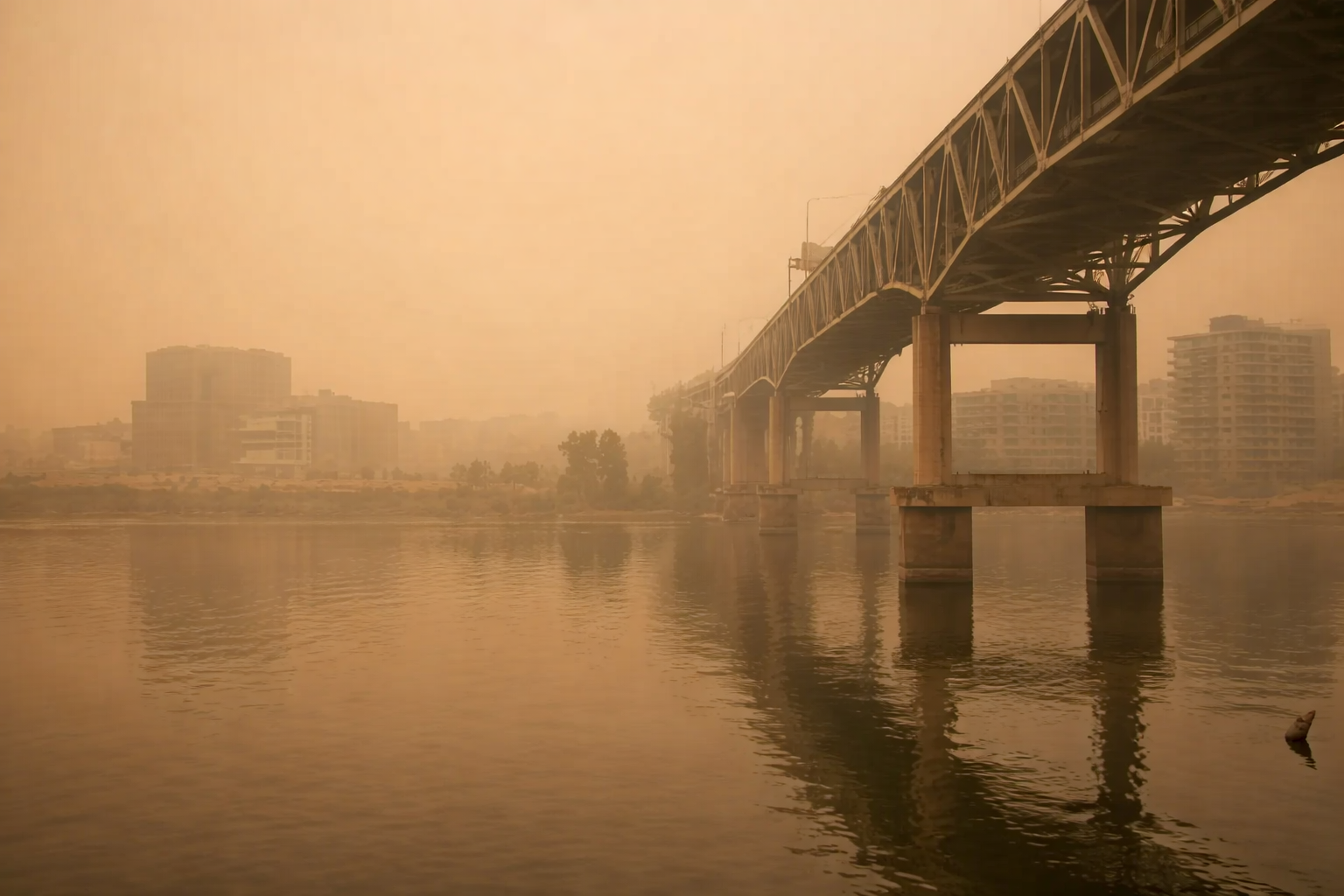
Wildfire smoke has once again become one of Oregon’s most significant statewide public health concerns, as air quality advisories now extend across large portions of the state from the Portland metropolitan area through the Willamette Valley, Central Oregon, Eastern Oregon and into parts of Southern Oregon. State officials are urging residents to remain aware of changing conditions as smoke from numerous active wildfires in Oregon and neighboring Washington continues to drift across the region, reducing visibility and creating unhealthy breathing conditions for many communities.
The Oregon Department of Environmental Quality has expanded air quality advisories affecting much of the state after changing weather patterns carried smoke far beyond the active fire zones. While many of the largest fires remain hundreds of miles from Oregon’s population centers, shifting winds have transported fine smoke particles into communities that may not be directly threatened by flames but are nevertheless experiencing degraded air quality.
Unlike many weather events, wildfire smoke can change dramatically within just a few hours. Conditions may appear relatively clear during the afternoon before smoke settles into valleys overnight, creating much heavier concentrations by early morning. Cooler nighttime air often traps smoke close to the ground, particularly throughout Western and Southern Oregon, before daytime warming allows the atmosphere to mix and gradually improve conditions. Residents are encouraged to monitor local air quality throughout the day rather than relying solely on visual conditions outside their homes.
Health experts continue to emphasize that wildfire smoke presents risks well beyond simple irritation. The greatest concern comes from microscopic particles known as PM2.5, which are small enough to bypass the body’s natural defenses and penetrate deep into the lungs before entering the bloodstream. Exposure to these particles has been associated with worsening asthma, chronic obstructive pulmonary disease, cardiovascular disease and other respiratory illnesses. Even healthy adults may experience coughing, sore throats, burning eyes, headaches, fatigue or shortness of breath after prolonged exposure during periods of elevated smoke concentrations.
State health officials are especially encouraging children, older adults, pregnant women and individuals with existing heart or lung conditions to reduce outdoor activity whenever smoke levels increase. Outdoor workers and those participating in recreational activities should also pay close attention to changing air quality, as strenuous exercise increases the amount of smoke particles inhaled into the lungs.
The current smoke affecting Oregon originates from numerous large wildfires burning throughout the Pacific Northwest. Fires across Oregon, combined with major incidents in neighboring Washington, have produced extensive smoke plumes that continue moving across state lines under changing wind patterns. Fire managers remain heavily engaged statewide as crews work to suppress dozens of significant incidents during what has become another demanding wildfire season throughout the region.
Although smoke can often be seen on the horizon, emergency officials caution that its presence does not necessarily indicate a nearby wildfire. Smoke frequently travels hundreds of miles before settling into valleys or urban areas, meaning communities may experience unhealthy air despite being located far from active fire activity. Conversely, residents living closer to wildfire zones may occasionally experience improved air quality when winds temporarily shift away from their communities.
Officials recommend several practical steps to reduce smoke exposure whenever air quality deteriorates. Keeping windows and doors closed during periods of heavy smoke can significantly reduce indoor pollution. Homes equipped with central heating and cooling systems should use high-efficiency air filters whenever possible, while portable HEPA air purifiers can further improve indoor air quality. Residents are also encouraged to postpone strenuous outdoor activities, avoid using equipment that creates additional indoor pollution, and limit unnecessary travel during the heaviest smoke periods.
When outdoor activity cannot be avoided, properly fitted N95 respirators may help reduce inhalation of harmful smoke particles. Standard cloth face coverings or surgical masks, while useful for reducing the spread of respiratory illnesses, do not provide adequate protection against the fine particulate matter found in wildfire smoke. Individuals who experience severe breathing difficulty, chest pain or worsening respiratory symptoms should seek medical attention immediately.
Emergency management agencies are also reminding Oregonians that wildfire season requires broader preparedness beyond smoke itself. Families are encouraged to maintain emergency supply kits, review evacuation plans, ensure important documents are readily accessible and keep mobile devices charged in case wildfire conditions change rapidly. Residents living in or near forested areas should continue monitoring evacuation notices issued by local emergency management agencies and fire officials.
The Oregon Department of Forestry, the Oregon State Fire Marshal, local fire districts and federal wildfire agencies continue coordinating suppression efforts across the state while air quality specialists closely monitor smoke movement. Forecasts remain highly dependent on changing weather patterns, fire behavior and wind direction, meaning conditions may improve or deteriorate quickly over the coming days.
As Oregon enters one of the most active periods of the annual wildfire season, officials are urging residents from Portland to Southern Oregon to remain informed, take reasonable precautions and recognize that protecting public health extends beyond avoiding wildfire flames. Smoke has become a statewide hazard in its own right, affecting communities well beyond the fire lines and reminding Oregonians that wildfire season is measured not only by acres burned, but also by the quality of the air millions breathe each day.