


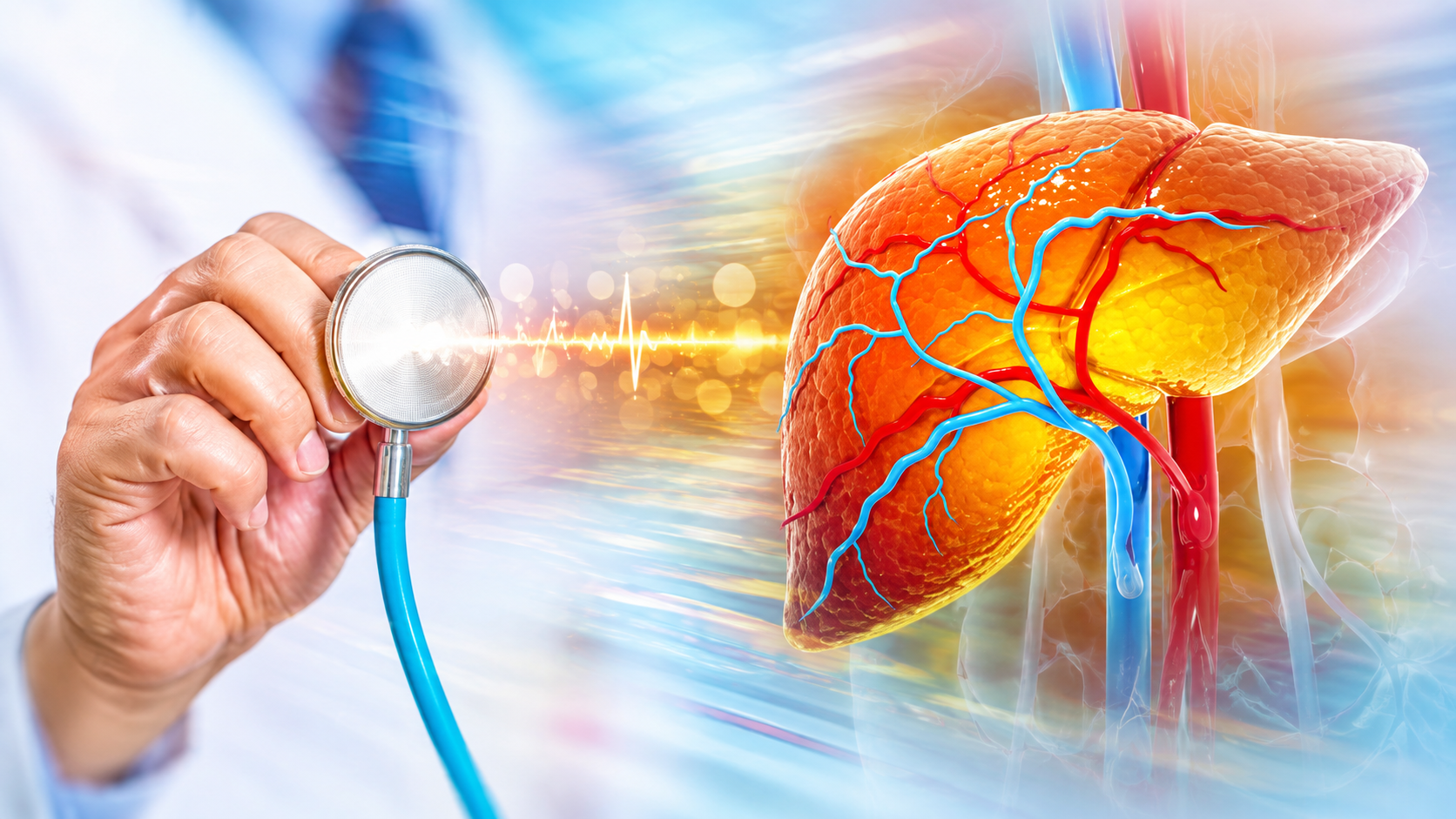
The liver may spend its entire life tucked quietly beneath the ribcage, but there is nothing quiet about the workload it carries. This remarkable organ is powerful enough to regenerate after injury and sophisticated enough to perform hundreds of jobs that keep the human body functioning from one moment to the next. It is an internal processing plant, nutrient gatekeeper, metabolic engine, chemical laboratory, storage facility, and protective shield all rolled into one.
Most people never give their liver much thought until something goes wrong. Meanwhile, it never clocks out.
Day and night, the liver processes substances circulating through the blood, manages nutrients absorbed from food, stores essential vitamins and minerals, manufactures proteins, produces bile, helps regulate energy supplies, and breaks down substances the body no longer needs. Nearly every major system in the body depends, directly or indirectly, on the work happening inside this extraordinary organ.
Among its many responsibilities, the liver stores vitamins A, D, E, K, and B12 and helps the body manage carbohydrates, fats, and proteins. It produces bile, which is essential for digesting and absorbing fats, while also helping process bilirubin, the yellowish pigment created during the normal breakdown of aging red blood cells. Genetic abnormalities can interfere with these complicated processes and contribute to certain liver diseases, demonstrating just how precisely this biological powerhouse must operate.
One of the liver’s lesser-known accomplishments is the production of albumin, the most abundant protein found in blood plasma. Calling albumin important almost undersells the job.
Albumin acts like a biochemical multitool traveling through the bloodstream. It helps keep fluid inside blood vessels while transporting hormones, vitamins, fatty acids, medications, and numerous other substances to destinations throughout the body. When severe liver dysfunction interferes with albumin production, blood levels can fall. The resulting condition, known as hypoalbuminemia, can also occur with kidney disease, gastrointestinal disorders, malnutrition, inflammation, and protein-losing enteropathy.
Another enormous responsibility involves bilirubin. The liver does not actually create most bilirubin; rather, bilirubin is produced primarily as aging red blood cells are broken down. The liver then steps into the process, taking bilirubin from the bloodstream, chemically modifying it, and moving it into bile so the body can eventually eliminate it.
When that system is disrupted and bilirubin accumulates, jaundice can develop, producing the familiar yellow discoloration of the skin and whites of the eyes. Elevated bilirubin may result from increased destruction of red blood cells, liver disease, obstruction of bile flow, or several other medical conditions. Contrary to a common misconception, unusually low bilirubin by itself generally is not considered evidence of liver damage.
For an organ capable of doing so much, the liver still has enemies.
Excessive alcohol consumption, certain medications, toxic substances, metabolic disease, viral hepatitis, and other illnesses can damage liver tissue. Repeated injury can gradually replace healthy tissue with scar tissue, eventually producing fibrosis and, in advanced cases, cirrhosis. The liver may possess an astonishing ability to regenerate, but regeneration does not make it indestructible.
There are also considerably stranger threats.
Liver flukes are parasitic flatworms capable of infecting humans and establishing themselves within the liver or bile ducts. These parasites are associated with particular regions of the world and specific types of exposure, rather than simply swimming in an ordinary lake or river. Depending on the species, people can become infected by consuming raw or undercooked freshwater fish or contaminated aquatic plants.
Once established, some liver flukes can survive inside the body for years. Chronic infection can cause inflammation and damage within the biliary system, and certain species have been associated with an increased risk of bile duct cancer. It is an unsettling reminder that even an organ equipped with remarkable defensive and regenerative abilities can be vulnerable to organisms small enough to enter the body unnoticed.
Keeping the liver healthy does not require expensive cleanses, miracle drinks, or elaborate detoxification programs. The irony behind many so-called liver detox products is that detoxification is already one of the liver’s specialties. Supporting the organ generally comes down to considerably less glamorous habits: maintaining a healthy weight, eating a balanced diet, exercising regularly, limiting alcohol, taking medications as directed, avoiding unnecessary exposure to toxic substances, and reducing the risk of viral hepatitis.
Perhaps the most fascinating thing about the liver is how much of this work happens without us ever noticing.
There is no sound when it manufactures proteins. There is no sensation when it stores vitamins, processes a medication, manages bilirubin, produces bile, or helps regulate the nutrients from yesterday’s dinner. It simply keeps working beneath the ribcage, hour after hour, carrying out an astonishing collection of biological duties largely outside our awareness.
The liver is resilient, regenerative, complicated, and absolutely essential. It can recover from injuries that would permanently disable many other organs, but there are limits to what even this biological powerhouse can endure.
For an organ that asks for so little attention, the liver gives the human body an extraordinary amount in return.