


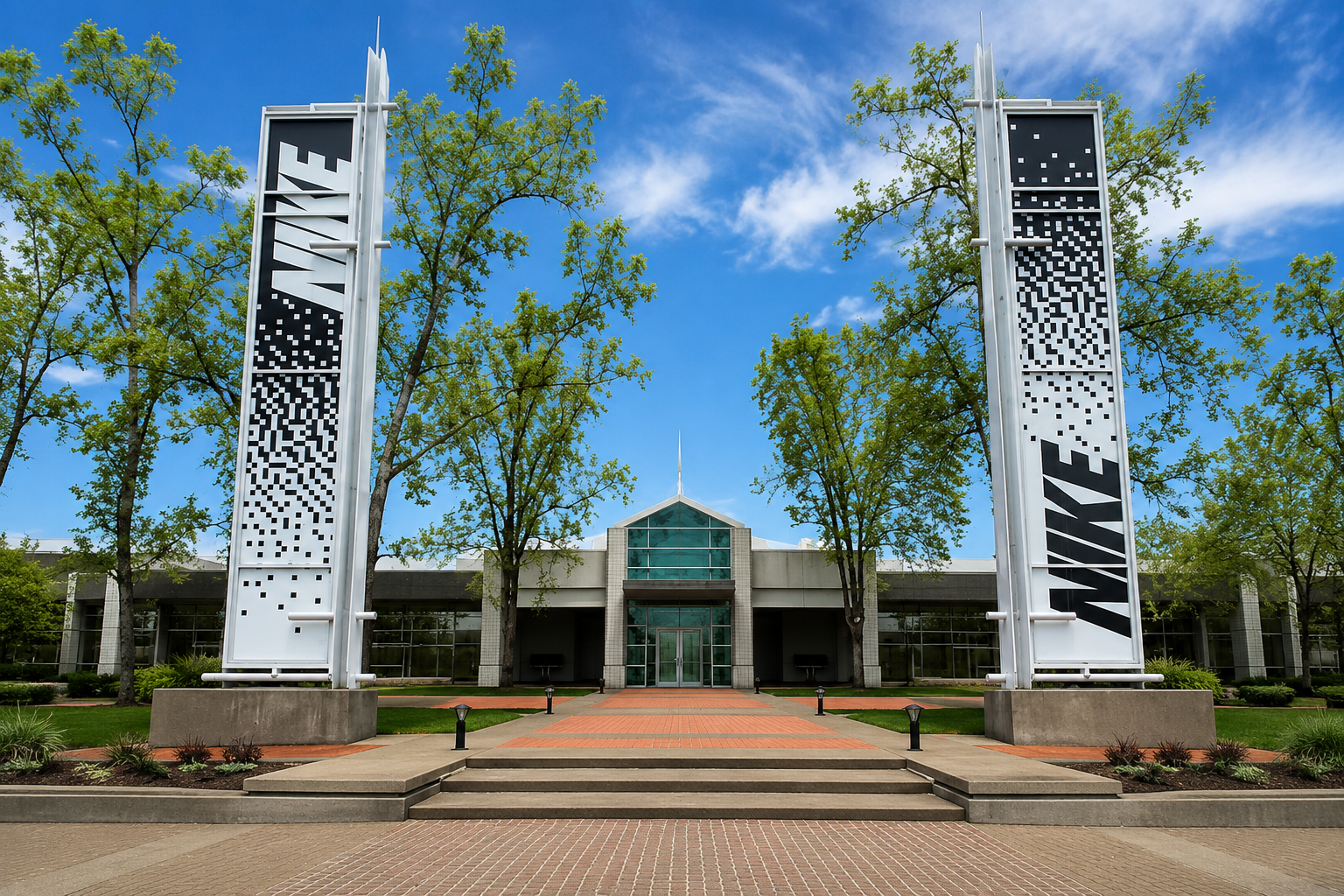
Nike Inc. and the National Scholastic Athletics Foundation have been named in a federal lawsuit alleging that organizers of an elite youth athletics program failed to protect a 16-year-old participant and improperly handled her report of a sexual assault during an event at Nike’s world headquarters in Beaverton.
The complaint was filed Sept. 16 in the U.S. District Court for the District of Oregon. The plaintiffs are identified through pseudonyms intended to protect the teenager’s identity, while Nike and the National Scholastic Athletics Foundation, commonly known as NSAF, are listed as defendants. The litigation has been assigned to U.S. Magistrate Judge Jolie A. Russo, and the plaintiffs have requested a jury trial.
The lawsuit remains in its opening stage. Neither a judge nor a jury has evaluated the evidence, and no findings have been entered against either organization. Nike has not filed a substantive response in the publicly available court record, while NSAF has disputed the account presented in the complaint and indicated that it intends to answer the allegations through the judicial process.
According to the complaint, the California teenager was a nationally recognized athlete selected to participate in the Nike Elite Program, an invitation-based initiative for accomplished high-school athletes. The program reportedly brought approximately 40 students to Oregon for several days of training, organized activities and interaction with other athletes over the Fourth of July weekend.
The alleged assault occurred July 5 while participants were socializing during the event. The complaint maintains that the girl was alone with a male teenage athlete from Texas who was attending the same program. After she rejected his requests for sexual activity, the filing alleges, the boy physically restrained and raped her.
The boy is not identified in the federal docket, and the complaint does not accuse a Nike or NSAF employee of carrying out the alleged assault. The action against the two organizations instead concentrates on the supervision provided during a gathering of minors and the conduct of program personnel after the girl was reportedly found in distress.
The complaint alleges that Nike and NSAF personnel encountered the teenager crying in a hallway following the incident. Staff members then allegedly kept her apart from her mother for as long as 30 minutes while pressing her to prepare a written account describing the sexual encounter as consensual. The filing further contends that her mother was not shown that statement and that neither organization immediately contacted law enforcement.
The teenager’s mother later took her to a hospital, according to the complaint. A report was subsequently filed with the Beaverton Police Department, which has jurisdiction over the area where Nike’s campus is located. No criminal charge, juvenile adjudication or official determination concerning the reported assault has been made public.
Because the two athletes were minors, Oregon confidentiality laws may restrict the release of investigative records, identifying information and any juvenile court proceedings. An absence of publicly disclosed charges does not establish whether investigators have completed their work or whether the matter has been referred to prosecutors.
Any criminal or juvenile proceeding would remain separate from the lawsuit against Nike and NSAF. A law-enforcement investigation would focus on whether a criminal offense occurred and whether the available evidence identifies a legally responsible person. The federal civil case will examine the conduct and potential liability of the organizations responsible for operating or supporting the athletics program.
The litigation is expected to address how the event was supervised, what safeguards governed interactions among participants, how staff members were trained to respond to an allegation of sexual violence and whether the teenager’s parents were notified promptly. Records concerning lodging arrangements, adult supervision, incident-reporting procedures, communications among staff members and preservation of possible evidence could become central to the case as it proceeds.
The handling of the girl’s reported disclosure is also likely to receive substantial attention. Oregon law imposes child-abuse reporting duties on numerous categories of public and private officials. Whether any individual connected to the program was legally required to make an immediate report will depend on that person’s position, responsibilities, professional status and knowledge at the time. The complaint’s allegations do not by themselves establish that Oregon’s mandatory-reporting laws were violated.
Nike, headquartered near Beaverton, has declined public comment on the substance of the case while the litigation is pending. NSAF has rejected the complaint’s portrayal of events but has withheld a detailed public response, citing the involvement of two young athletes.
No Oregon Department of Justice or federal law-enforcement action has been publicly announced in connection with the allegations. Filing the civil case in federal court does not convert the underlying police investigation into a federal criminal proceeding, nor does it signify that a government agency has endorsed the plaintiffs’ account.
The complaint represents one side of a contested legal action. Its allegations must now proceed through service, responsive pleadings, evidence gathering and potentially trial before civil responsibility can be determined. Until that process is completed, the reported assault, the actions of event personnel and the liability of Nike and NSAF remain unresolved.