


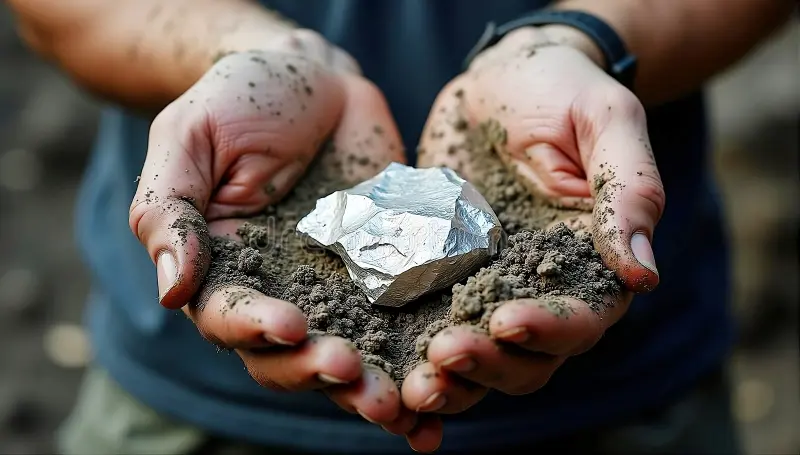
Josephine County has long been defined by its rugged natural beauty, rich history, and independent spirit. But hidden beneath its rolling hills and forested landscapes lies a lesser-known resource: a mineral-rich foundation with the potential to reshape the region’s economic future. As the global demand for critical minerals continues to climb, the renewed interest in Josephine County’s geological assets is opening the door to new conversations—about growth, sustainability, and how resource development could affect the everyday lives of local residents.
Mining is not new to this region. In fact, the roots of Josephine County’s development are tied directly to the gold rushes of the 1850s. Back then, rivers like the Rogue and creeks in the Illinois Valley drew thousands of prospectors hoping to strike it rich. Mining towns sprang up overnight, and gold became the county’s first major economic engine. But as easily accessible deposits dwindled, so did the mining boom. What remained was a strong legacy of self-reliance and a population shaped by the challenges and rewards of frontier life.
Fast forward to today, and the county is facing an economic crossroads. While natural beauty fuels tourism and many residents rely on small businesses, service work, or retirement income, Josephine County continues to struggle with a limited tax base, underfunded services, and a persistent lack of living-wage jobs. The possibility of revitalizing a local mining industry—especially one focused on extracting modern critical minerals like lithium, cobalt, and rare earth elements—offers both opportunities and challenges for residents.
Modern geological surveys, including those conducted by the Oregon Department of Geology and Mineral Industries (DOGAMI), suggest that Josephine County and its surroundings may hold commercially viable quantities of such minerals. These materials are in high demand across the globe, particularly for use in electric vehicle batteries, renewable energy systems, electronics, and defense technologies. If these resources can be confirmed and responsibly developed, they could provide the foundation for a long-term economic boost in a county that has seen little large-scale industry in recent decades.
For local workers, this could mean new jobs in exploration, extraction, processing, transportation, and environmental oversight. These positions often offer higher wages and more stability than many of the current jobs available in the region. Additionally, increased economic activity could lead to growth in secondary sectors such as hospitality, equipment maintenance, and local retail, creating a ripple effect throughout the county. Increased employment and investment would also mean more local tax revenue, potentially strengthening public services like libraries, schools, and emergency response systems—areas that have long struggled with underfunding.
However, this potential comes with significant caveats. Residents are rightfully cautious. Josephine County’s environmental identity is deeply valued by its people. Many moved here or stayed here because of the clean air, pristine rivers, and natural solitude. There is strong community concern about how new mining operations—especially those on a large scale—could impact the environment, water quality, wildlife, and public lands. The specter of past environmental damage from unregulated mining still lingers in the public memory.
Modern mining operations must adhere to much stricter environmental regulations than those in the past, and companies must prepare detailed impact assessments and reclamation plans before receiving permits. But even with these protections, the risk of long-term disruption to the landscape or contamination of water sources cannot be entirely eliminated. Any project that moves forward in Josephine County would need to be met with transparent oversight, community consultation, and a commitment to environmental stewardship.
There’s also the matter of who benefits. A major concern among residents is whether any wealth generated from local resources would stay in the community or flow outward to corporations and shareholders. Josephine County has seen many economic booms that failed to uplift local residents in the long term. To ensure that history does not repeat itself, local leaders and residents would need to advocate for community benefit agreements, fair labor practices, and investment in local infrastructure.
Another key issue is land use. Much of Josephine County’s land is federal or state-managed, which introduces layers of jurisdiction and public accountability. Decisions about access, leases, and royalties would involve agencies like the Bureau of Land Management and the U.S. Forest Service, along with local and tribal stakeholders. Ensuring local voices are heard in these discussions will be crucial.
In the end, Josephine County is sitting on a rare opportunity. The land that once drew gold miners and prospectors could now offer a new kind of prosperity, one tied not to glittering nuggets in the river, but to the minerals that power the 21st century economy. But as residents know all too well, not all that glitters leads to lasting wealth. Whether this potential mineral boom becomes a benefit or a burden depends on decisions made now—by officials, by companies, and by the community.
If approached thoughtfully, with strong safeguards and a focus on local benefit, the mineral wealth beneath Josephine County could help unlock a new era of economic resilience. If rushed or poorly managed, it could lead to regret and resentment. One thing is clear: the conversation is just beginning, and the people who call this land home must be at the center of it.