


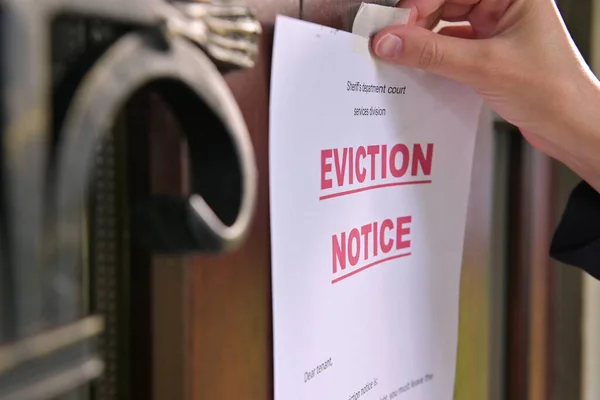
The Josephine Community Library is facing the forced end of its lease, a move that has sparked confusion and concern across the county. At the center of the debate is the question of whether the library’s situation constitutes a routine “lease termination” or something far more disruptive—an eviction in all but name.
County Commissioner Chris Barnett recently told the public that the situation is a “tenant lease agreement issue,” not an eviction. That distinction, while seemingly benign, has raised eyebrows and drawn criticism from library supporters and legal observers alike. The issue isn’t merely one of semantics—it holds real consequences for the community, particularly for the future of one of Josephine County’s most valued public services.
The controversy deepened when the county’s legal counsel, Wally Hicks, sent a cryptic and ultimately unhelpful message to the library’s leadership. In response to the library’s proposal to negotiate the terms of their lease renewal, Hicks wrote:
“Following up on our recent conversation, the county is currently unable to provide a response to the library’s proposal for several reasons. One significant factor is the uncertainty regarding potential relocations of departments. Additionally, the Dimmick campus property is up for sale, but the county is unable to share specific details at this time. Scheduling conflicts with the commissioners are also an issue, as it is difficult to gather all three commissioners on Friday afternoons in the coming weeks. As a result, resolving the situation before the budget process is no longer a feasible option. While the county is not dismissing the possibility of offering storage for library property should a move be necessary, this scenario remains purely hypothetical.”
This statement effectively signals that the county is unwilling—or unable—to negotiate or extend the lease, which expires December 31, 2025. While Hicks stopped short of calling it an eviction, the implications are clear: the library must prepare to vacate without any clear plan for relocation or continued operations.
For the Josephine Community Library, the potential loss of its current home is more than a logistical hassle—it’s a threat to its mission and a disruption to the thousands of community members who rely on it for access to books, technology, educational programming, and safe community spaces.
“This is not just about bricks and mortar,” said one library volunteer who asked to remain anonymous. “It’s about continuity of service. If the library is forced out without a clear alternative, it could mean lost programs, fewer community events, and a massive inconvenience to patrons.”
In a rural county where broadband access is still limited and educational resources are scarce, the library provides vital services far beyond book lending. From literacy workshops and children’s Storytime to public internet access and tax preparation help, the library functions as a cornerstone of the community.
Commissioner Barnett’s insistence that this is merely a “lease agreement issue” rather than an eviction has been met with skepticism. While it’s true that leases do end and not every lease non-renewal is an eviction, the context matters deeply.
Legal experts point out that the difference between a lease termination and an eviction lies not just in the terminology, but in the process and intent. A lease termination can be mutual, expected, or based on a clear and transparent set of circumstances. An eviction, however, often involves one party—usually the landlord—forcing the tenant out, sometimes without cause or without offering meaningful alternatives.
In this case, critics argue that the county’s refusal to engage in dialogue, combined with the sudden and opaque decision-making process, meets the spirit of an eviction.
“It’s disingenuous for the county to say this is just business as usual,” said a local government watchdog. “They’re not negotiating, not offering a solution, and not giving the library enough time to plan a move. That’s not a neutral lease ending—that’s pushing someone out the door.”
Perhaps most troubling to many residents is the lack of transparency. The vague explanations from the county—citing “potential relocations,” “property sale negotiations,” and “scheduling conflicts”—provide little clarity and no concrete answers. The mention of possible storage space for the library’s materials comes off as a cold consolation, considering the role the library plays in the daily lives of county residents.
With no public discussion scheduled and no clear communication plan from the commissioners, many feel left in the dark. Community members have begun to mobilize, circulating petitions and preparing to speak out at upcoming public meetings.
The timing of the lease termination, coming just before the 2026 budget cycle, adds to the sense of urgency. Without a home, the library will have to request emergency funding, secure temporary quarters, and scramble to maintain its programming. Meanwhile, local students, families, seniors, and job seekers could find themselves without access to essential services.
In a county already dealing with economic and social challenges, the destabilization of the library feels, to many, like an avoidable crisis. If the commissioners fail to act—or continue to hide behind vague language—the damage could be long-lasting.
You Decide: Lease Termination or Eviction?
At the end of the day, the public must weigh the facts. The library was not offered a renewal. The county refuses to negotiate or explain.