


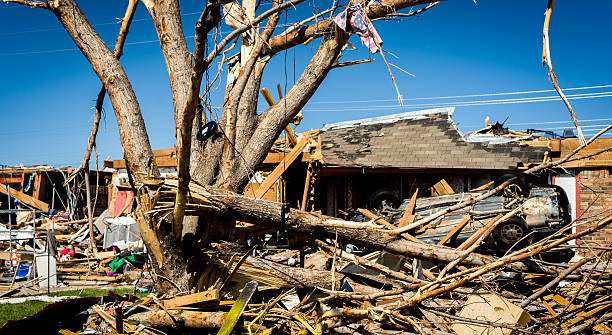
A violent and fast-moving storm system swept across the central United States over the weekend, generating a series of deadly tornadoes that left widespread destruction in its path. As of Monday morning, at least 28 people have been confirmed dead, with fatalities reported in Missouri and southeastern Kentucky. Entire neighborhoods have been leveled, thousands of homes and buildings damaged, and emergency responders are working around the clock to assess the scope of the devastation.
The storm, which first formed late Friday, intensified as it moved eastward. In Kentucky, the impact was especially severe. Laurel County, located in the southeastern part of the state, reported 19 fatalities, the highest of any region affected. The city of London, Kentucky, was among the hardest hit, with large sections of residential areas flattened. Emergency declarations were issued as local and state officials mobilized rescue teams, medical units, and emergency supplies to assist the overwhelmed communities.
In neighboring Missouri, five deaths were reported following an EF3 tornado that struck the St. Louis area. Winds reaching up to 150 miles per hour tore through homes and businesses, causing widespread power outages and infrastructure failures. Preliminary damage assessments estimate over 5,000 structures were impacted in the region, with property losses potentially exceeding $1.6 billion. Emergency shelters have been established throughout the city and surrounding areas to support displaced residents.
As the storm tracked westward late Sunday, it reached Kansas, where it caused significant damage in the small town of Grinnell. Located roughly 250 miles west of Wichita, Grinnell reported the destruction of approximately 20 homes, along with damage to a church, school, and other public facilities. Despite the level of devastation, no fatalities have been reported in the Kansas town. Local officials credit early warnings and swift action by residents for minimizing the loss of life.
The threat is not over. The National Weather Service continues to issue advisories for parts of Oklahoma, Kansas, and northern Texas, where additional tornadoes, hail, and damaging winds are forecast. Meteorologists have warned that the atmospheric conditions fueling the outbreak remain active, and further storms are likely throughout the first half of the week. Emergency preparedness officials in several states have activated contingency plans, encouraging residents to stay alert and be ready to seek shelter as needed.
Across affected communities, recovery efforts have already begun. Volunteers, community groups, and relief agencies are distributing food, water, and emergency supplies. In London, Kentucky, local residents have taken to the streets to clear debris and offer temporary shelter to neighbors. In Missouri and Kansas, teams are assessing structural damage and coordinating with federal agencies to expedite disaster relief funding.
Federal support is expected to ramp up in the coming days as damage assessments continue. However, the scale of the storm’s impact has sparked renewed discussion about the nation’s readiness for natural disasters. Some officials have expressed concern about the capacity of federal agencies to respond quickly and effectively, particularly in rural or under-resourced regions.
As the central U.S. mourns its losses and begins the long road to recovery, officials are urging caution and preparedness in the days ahead. With the storm system still active and additional severe weather forecast, communities across the region remain on high alert. The coming week will be critical in determining the full scope of the damage and the resources needed to begin rebuilding lives, homes, and infrastructure.