


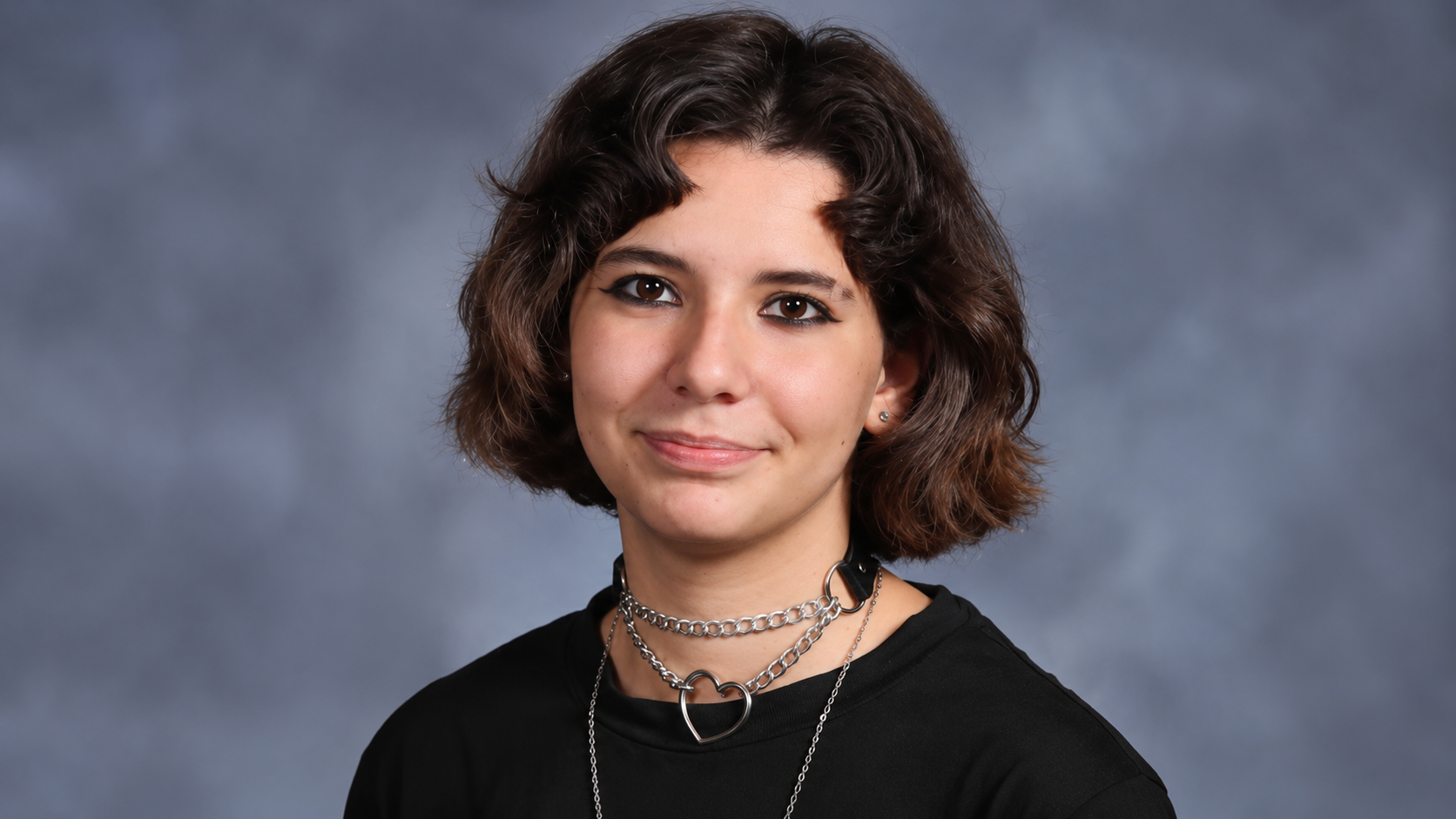
A nationwide search for a Utah teenager who disappeared more than 17 months ago ended in Oregon on Sunday, November 1, when law enforcement officers recovered the 17-year-old girl and arrested a 39-year-old man found with her. The discovery brought an extraordinary missing-person investigation to a significant turning point, with federal authorities now working to establish the circumstances surrounding the teenager’s disappearance, her movements across state lines and the involvement of the adult taken into custody.
Kylie Arellano was 15 years old when she vanished from Garden City, Utah, on May 29, 2025. Her disappearance prompted an investigation that eventually extended well beyond Utah, involving federal agents, state investigators and local law enforcement personnel pursuing leads throughout the United States and internationally. By the time authorities located her in Oregon, approximately 17 months had passed without a confirmed public account of her whereabouts.
The recovery followed investigative work involving the FBI’s Salt Lake City Field Office, FBI Portland, the Rich County Sheriff’s Office, Oregon State Police and the Utah Department of Public Safety. Federal investigators developed information that ultimately directed law enforcement officers to Oregon, where Arellano was located Sunday afternoon. The 39-year-old man accompanying her was arrested without incident.
The FBI confirmed the recovery and arrest but has not publicly identified the man, disclosed the specific Oregon community where the teenager was found or announced the criminal charges, if any, resulting from his detention. Authorities also have not established publicly whether Arellano spent the entire period of her disappearance in Oregon or traveled through other states before investigators located her.
Those unanswered questions are now central to an investigation that began as a missing-child case and has developed into a federal inquiry involving an adult whose relationship with the teenager remains under examination.
Garden City, a small northern Utah community near Bear Lake and the Idaho border, became the starting point for the investigation in May 2025. Arellano’s disappearance raised immediate concerns about her safety, particularly as investigators examined her personal communications and the possibility that she had established contact with someone outside her immediate community.
As the search continued, detectives pursued information about her activities before she vanished, including electronic communications and accounts provided by individuals familiar with her circumstances. Investigators also obtained search warrants while attempting to reconstruct the events leading to her disappearance.
Court documents examined during the investigation revealed that detectives had questioned portions of the initial accounts surrounding the teenager’s disappearance. Investigators reviewed communications involving Arellano and her mother, Stephanie Coleman, along with allegations concerning conditions inside the family home.
Coleman denied allegations that she had abused her daughter or participated in her disappearance. She also disputed interpretations of evidence examined by investigators and maintained concerns that her daughter might have been influenced or coerced by someone she encountered through online communications.
The investigation into those earlier circumstances has not established public evidence implicating Coleman in her daughter’s disappearance. The teenager’s recovery in Oregon likewise does not establish wrongdoing by any family member.
Attention has also turned to the possibility that Arellano communicated with the adult suspect through Snapchat before leaving Utah. National reporting citing an unnamed law enforcement source described a possible online connection between the teenager and the man arrested in Oregon. Federal authorities have not publicly confirmed the circumstances of their initial contact, the duration of their relationship or whether online communications played a direct role in her disappearance.
The possibility of an online connection introduces additional questions concerning how an adult may have established contact with a minor, whether the teenager was encouraged to travel and whether any coercion or exploitation occurred during the period she was missing. Those matters remain investigative questions rather than established criminal findings.
FBI Director Kash Patel also addressed the recovery in connection with broader federal efforts to investigate online groups that target minors, including networks associated with violent and exploitative conduct. Federal authorities have not publicly established that Arellano’s disappearance involved a particular organization or that the man arrested in Oregon participated in such a network.
The Oregon connection represents one of the most significant developments in the case. What began in a small Utah community ultimately required cooperation between federal investigators and Oregon law enforcement personnel, demonstrating the interstate reach of an investigation that remained active long after the teenager was initially reported missing.
Oregon State Police participated in the effort that led to Arellano’s recovery, while FBI Portland worked alongside investigators from Utah. The involvement of multiple agencies provided the coordination necessary to pursue information across jurisdictions and act when investigators developed a lead identifying her possible location.
The exact location of Sunday’s recovery has not been publicly disclosed. Authorities have not identified whether the teenager was found in a private residence, temporary lodging or another setting, and no information has been released establishing how long she had been at that location.
The circumstances of the 39-year-old man’s arrest also remain limited to the FBI’s confirmation that he was taken into custody without incident. His identity, residence, possible connection to Utah and any previous relationship with Arellano have not been publicly established.
The distinction between an arrest and a criminal conviction remains particularly important in a case involving allegations that have not yet been fully detailed by prosecutors. Although the teenager’s recovery alongside an adult has generated questions about possible kidnapping, trafficking and exploitation, authorities have not publicly confirmed that any of those specific offenses occurred.
Whether prosecutors pursue federal charges, state charges or a combination of offenses will depend on the evidence gathered and the jurisdictional circumstances established during the investigation. Potential questions include whether the teenager crossed state lines with the adult, whether criminal conduct occurred in more than one jurisdiction and whether electronic communications provide evidence relevant to any eventual prosecution.
For investigators, the recovery also creates an opportunity to establish a more complete chronology of the missing 17 months. Information concerning Arellano’s movements, living arrangements, access to communication and contact with other individuals could help determine what happened after she disappeared from Utah and before officers located her in Oregon.
Authorities have not disclosed whether Arellano has returned to Utah, remains in Oregon or has been placed in protective care. Information concerning her medical condition, personal circumstances and any interviews conducted following her recovery has also not been publicly released.
The teenager’s safety remains a priority as investigators continue examining the evidence. Her recovery resolves the immediate question of whether she is alive and has been located, but the events surrounding her disappearance remain the subject of an active investigation.
The case also illustrates the investigative challenges presented when a missing minor’s disappearance may involve electronic communications and travel across state boundaries. Establishing the circumstances of such cases can require examination of digital records, interviews across multiple jurisdictions and cooperation among agencies whose responsibilities extend from local missing-person investigations to federal criminal enforcement.
For Oregon, Sunday’s discovery places the state directly within a national investigation that began hundreds of miles away. The participation of Oregon State Police and FBI Portland underscores the role of regional law enforcement in resolving cases that originate outside the state but ultimately lead investigators into Oregon communities.
For Utah authorities and the teenager’s family, the recovery ends a prolonged period in which her location remained unknown. The investigation now moves toward determining how she disappeared, where she spent the intervening months and what role the arrested man may have played.
Federal authorities have not announced when additional information will be released. The identification of the suspect, any formal criminal charges and the disclosure of the Oregon location where Arellano was recovered are among the developments that could provide a clearer understanding of the case.
After more than 500 days missing, Kylie Arellano has been found alive in Oregon. The search for the teenager has ended, while the investigation into the circumstances that kept her missing for nearly a year and a half continues.