


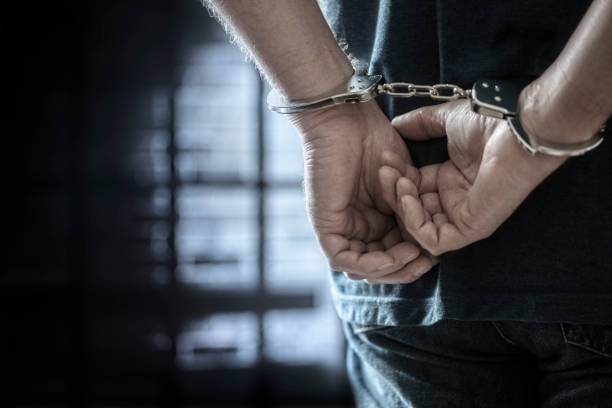
A months-long federal investigation has culminated in the arrest of Anthony Barrera, a man suspected of trafficking significant quantities of methamphetamine and cocaine throughout Oregon. The arrest, led by the Federal Bureau of Investigation (FBI), marks a substantial development in the ongoing effort to dismantle regional drug distribution networks that pose a growing threat to communities across the state—including Southern Oregon.
According to federal authorities, Barrera’s arrest followed a coordinated investigation that uncovered his alleged involvement in a large-scale narcotics operation. Though specific amounts have not yet been disclosed publicly, investigators described the quantities of meth and cocaine seized as “substantial,” indicating an intent to distribute far beyond personal use. Law enforcement officials say the drugs were likely destined for street-level distribution across multiple Oregon counties.
While the full scope of the trafficking ring is still under investigation, the arrest highlights the ongoing and dangerous flow of illegal drugs through Oregon’s urban centers and into rural areas such as Josephine and Jackson counties. For years, Southern Oregon has struggled with the ripple effects of meth and cocaine distribution, which often include increases in property crime, addiction-related health emergencies, and strain on local law enforcement and social services.
By intercepting drug shipments and disrupting distribution chains at higher levels, authorities hope to prevent these substances from ever reaching vulnerable communities. “These arrests are about more than putting one person behind bars—they’re about cutting off a supply chain that leads directly to addiction, violence, and destabilization in towns like Grants Pass and Medford,” said one federal law enforcement source familiar with the operation.
In Southern Oregon, the rise in methamphetamine and cocaine-related incidents has been particularly alarming. Emergency responders, public health workers, and addiction recovery centers have all noted a rise in cases involving stimulants over the past five years. Methamphetamine, in particular, has become one of the region’s most problematic substances due to its low cost, high availability, and severe impact on mental and physical health.
Efforts to combat this trend have included stepped-up patrols, increased funding for drug courts and rehabilitation programs, and participation in state and federal task forces. However, officials consistently point out that stopping the problem at the source—intercepting bulk drug shipments before they hit local streets—is critical to long-term success.
The FBI’s operation targeting Barrera is part of a larger initiative aimed at interdicting narcotics distribution routes that run through the Pacific Northwest. Oregon’s location along Interstate 5, a major north-south trafficking corridor, makes it a key transit point for narcotics entering from California and Mexico and moving toward markets in Washington, Idaho, and beyond.
Authorities have not yet revealed whether additional arrests are expected in connection with the case, but the investigation is ongoing. Barrera is currently in federal custody and facing multiple charges related to drug trafficking and intent to distribute. If convicted, he could face decades in prison.
While the immediate impact of this arrest may be felt most directly in larger cities, its importance for rural and suburban communities across Oregon—including Southern Oregon—cannot be overstated. Each disrupted shipment represents thousands of doses that won’t make their way into neighborhoods, schools, or the hands of vulnerable individuals battling addiction.
Law enforcement agencies across the state continue to collaborate with federal partners to pursue similar operations, recognizing that addressing the drug crisis requires action at every level—from local prevention to international interdiction.
As this case progresses through the legal system, Southern Oregon officials and residents alike hope it sends a clear message: drug trafficking will be met with serious consequences, and every effort will be made to keep these dangerous substances off the streets and out of the communities working hard to overcome addiction and rebuild lives.