


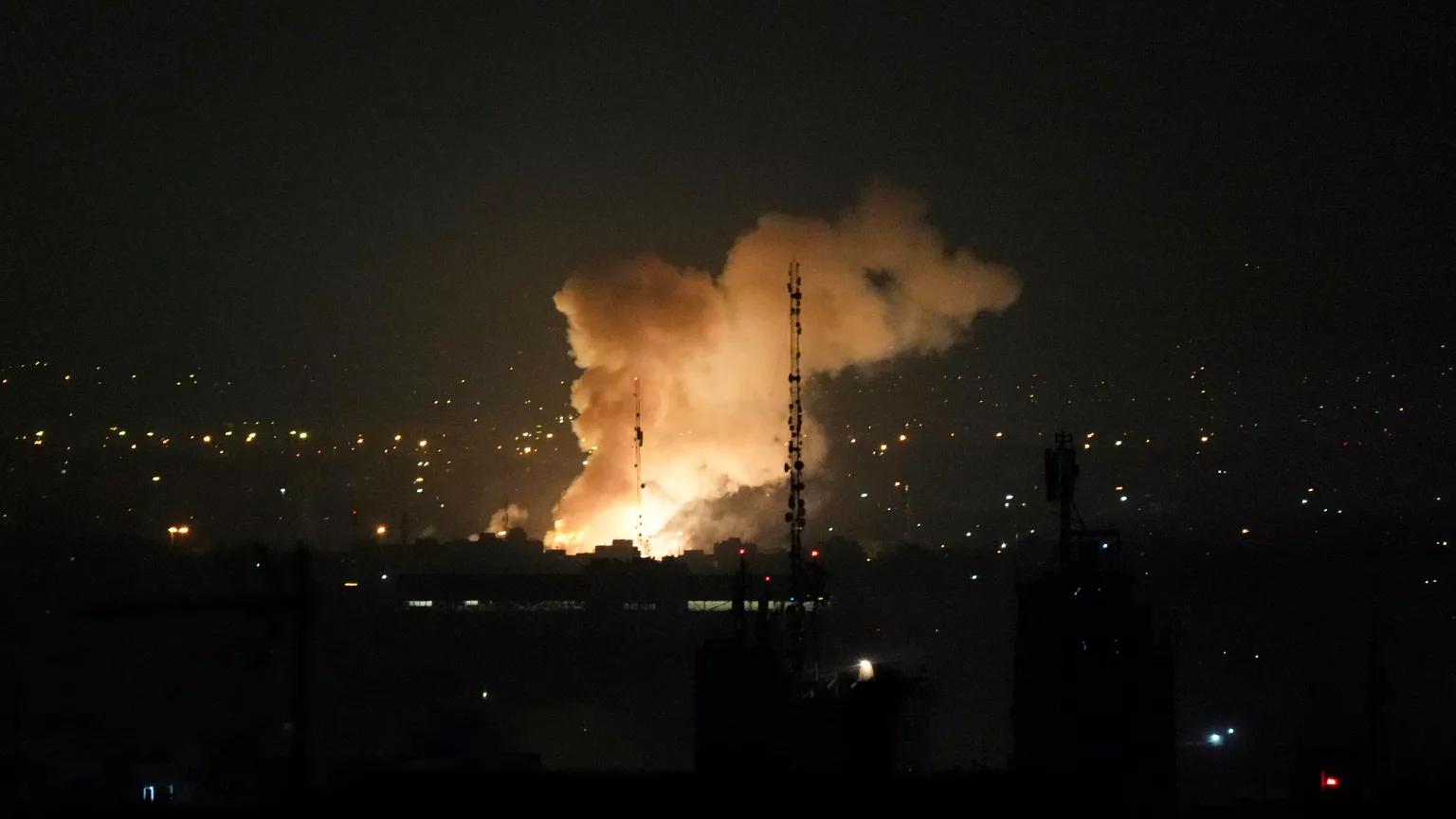
In a major escalation of ongoing military operations, Israel has declared that it now holds full aerial superiority over Tehran, the capital of Iran. The announcement, made by Israeli military officials, marks what may be a pivotal moment in the ongoing campaign known as Operation Rising Lion, a coordinated and multi-phase operation targeting Iran’s military and strategic infrastructure.
According to reports from Israeli defense sources, the claim of complete control of Tehran’s airspace follows a series of sustained and targeted aerial strikes that have allegedly dismantled key components of Iran’s air defense systems. Over the past several days, Israeli aircraft, drones, and electronic warfare systems have reportedly overwhelmed Iranian defenses, paving the way for unimpeded access to airspace once considered heavily fortified.
Tehran’s leadership has not yet publicly confirmed the extent of the damage, but internal sources and regional media outlets suggest that several high-ranking military officials and critical command-and-control centers may have been affected or disabled. Iranian state media has responded by denouncing the Israeli claims as exaggerated and part of a broader psychological warfare campaign, though they have acknowledged ongoing “foreign aggression” against military installations near the capital.
Operation Rising Lion, which began with precision strikes on suspected weapons facilities and command sites, has increasingly expanded in both scope and intensity. Israeli officials maintain the operation is designed to neutralize threats posed by Iran’s missile capabilities, nuclear ambitions, and support for regional proxy groups. The campaign has drawn international attention and concern, especially as the fighting edges closer to densely populated areas.
Iran, in turn, has vowed retaliation and accused Israel of violating international law and territorial sovereignty. Iranian Revolutionary Guard forces have been mobilized, and surface-to-air missile batteries have been repositioned around critical infrastructure. Despite this, Israeli sources claim that the effectiveness of these countermeasures has been severely reduced by sustained electronic interference and preemptive targeting.
Defense analysts observing the conflict note that if Israel’s claim of total aerial superiority over Tehran is accurate, it represents a significant tactical achievement. Tehran’s airspace has historically been considered one of the most defended in the region, equipped with a combination of Russian-supplied and domestically produced air defense systems. Achieving dominance in such an environment signals both advanced Israeli planning and potentially unexpected vulnerabilities in Iran’s air defense network.
The broader geopolitical consequences of this development remain unclear. Several world powers have urged both nations to exercise restraint and avoid further escalation. The United Nations has called for emergency consultations to assess the situation, while neighboring countries are bracing for potential spillover effects. International markets, already jittery from months of tension in the region, reacted sharply to the news, with oil prices experiencing sudden volatility.
Despite the intensity of the operation, Israeli officials maintain that their goal is not regime change but the strategic dismantling of Iran’s military capabilities that they believe threaten Israeli national security. However, critics argue that the depth and reach of the strikes—especially those affecting Tehran—risk drawing both countries into a broader regional war.
As of now, communications out of Tehran remain intermittent, with some areas experiencing power disruptions and limited access to digital networks. Iranian military officials have yet to release a comprehensive assessment of the situation, though scattered reports suggest ongoing clashes on the city’s outskirts.
The next several days may prove critical in determining the trajectory of the conflict. If Israel’s hold over Tehran’s airspace remains uncontested, further aerial operations could deepen the pressure on Iran’s political and military leadership. Conversely, any significant Iranian counteroffensive could shift the balance once more, escalating what is already the most direct military confrontation between the two nations in recent history.