


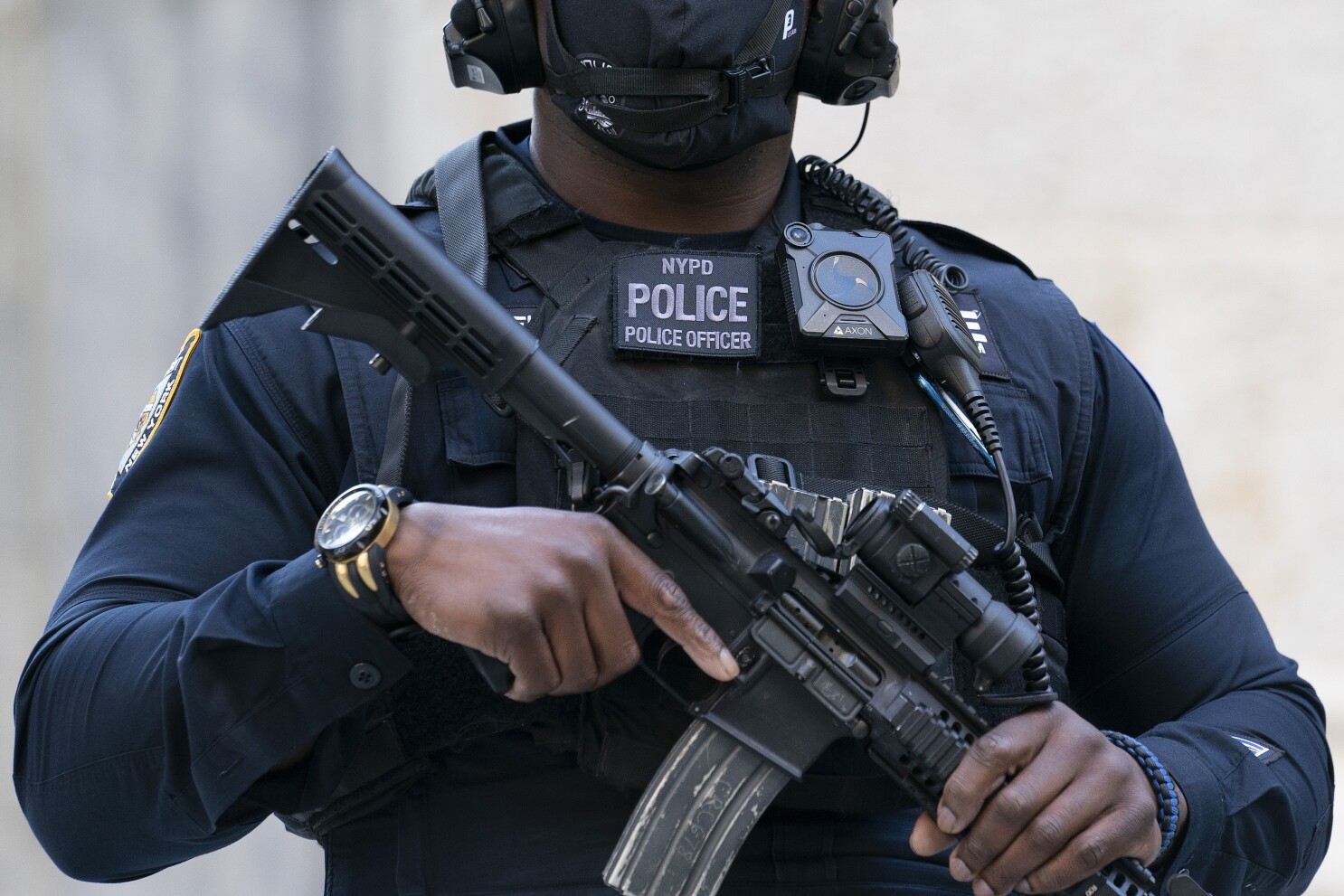
In the wake of coordinated U.S. airstrikes on nuclear facilities inside Iran on Saturday night, major cities across the United States have elevated their security postures, bracing for the possibility of retaliatory attacks or unrest. From New York to Los Angeles, law enforcement agencies have deployed additional officers and ramped up surveillance at key infrastructure sites, transportation hubs, and areas deemed high-risk.
The airstrikes, which reportedly struck three nuclear facilities within Iranian territory, marked a significant escalation in tensions between the two countries. While no immediate retaliation has been confirmed, intelligence officials have issued warnings to local governments and police departments to remain vigilant. The heightened alert is not limited to federal assets but includes urban centers that could be viewed as symbolic or strategic targets.
Federal officials have not publicly disclosed specific threats but noted that historical precedent and geopolitical dynamics suggest that Iranian-linked actors or sympathizers could seek to exploit domestic vulnerabilities. As a precaution, agencies under the Department of Homeland Security umbrella are working in coordination with local police to monitor potential threats. In many cities, emergency operations centers have been activated to ensure rapid response capabilities should any incidents occur.
In Washington D.C., Capitol Police and Secret Service increased patrols near federal buildings and monuments. The National Guard has also been placed on standby in select jurisdictions. Meanwhile, New York City police officials confirmed they have stationed additional officers at landmarks, bridges, subways, and cultural institutions. Los Angeles officials have taken similar steps, including visible increases in airport security and monitoring of ports.
While no specific attacks have been reported or foiled as of Monday evening, law enforcement agencies have urged the public to remain aware of their surroundings and report any suspicious activity. Intelligence analysts are also paying close attention to online platforms, monitoring extremist chatter that could hint at coordinated action or lone-wolf operations.
Transportation authorities in major cities are also playing a role in precautionary planning. Transit systems, including subways, rail stations, and bus terminals, have seen an increase in uniformed officers and K9 units. In some cities, additional screening protocols have been introduced on a temporary basis. Airports nationwide remain on high alert, with the Transportation Security Administration reviewing security protocols and reevaluating risk assessments in light of the latest military developments abroad.
Retail centers, houses of worship, and government buildings are among the civilian areas receiving particular attention. Some religious institutions, particularly those of Jewish, Christian, and Muslim faiths, have contacted local authorities to request additional security presence during services and gatherings, out of an abundance of caution.
The heightened security measures come as foreign policy experts continue to assess the long-term ramifications of the U.S. strikes. The strikes themselves are part of a broader strategic effort aimed at curbing Iran’s nuclear capabilities, which the U.S. government has stated present a growing threat to regional stability and global security. However, many analysts warn that such actions could provoke retaliatory moves from Iran’s Islamic Revolutionary Guard Corps (IRGC) or proxy militias operating in other parts of the world.
In a sign of broader international concern, several U.S. embassies in the Middle East and Europe have also increased their security postures. American citizens abroad have been advised to avoid large gatherings and maintain a high level of situational awareness, according to travel advisories updated over the weekend by the U.S. State Department.
In the private sector, major corporations and financial institutions have been briefed by federal agencies about possible cyberattacks. Past incidents involving Iranian-linked hacking groups targeting U.S. infrastructure have prompted cybersecurity teams to bolster firewalls and monitor unusual activity more aggressively.
Despite the widespread concern, officials across multiple agencies have emphasized that the increased security presence is precautionary in nature and not based on any verified imminent threat. Nonetheless, the sudden geopolitical escalation has placed the country on edge, reinforcing the ever-present challenges of maintaining national security in a rapidly changing global landscape.
As the situation continues to develop overseas, American cities remain on alert. Whether this will be a short-term response or the beginning of a prolonged period of increased domestic readiness will depend on the next moves by Iran and its allies. In the meantime, public safety officials are urging calm while preparing for a wide range of possible contingencies.