


A controversial immigration detention center in Florida, nicknamed “Alligator Alcatraz,” is facing a temporary halt in its expansion plans after a federal judge ordered a two-week suspension of construction. The order, issued Thursday, will allow the court to determine whether the project violates federal environmental protection laws.
The facility, located in a remote and ecologically sensitive area of the state, has drawn attention not only for its high-security design and role in immigration enforcement but also for its location near critical wetland habitats. Environmental advocacy groups have long argued that construction activities in the region could threaten endangered species, disrupt water quality, and damage fragile ecosystems that serve as natural flood control for surrounding communities.
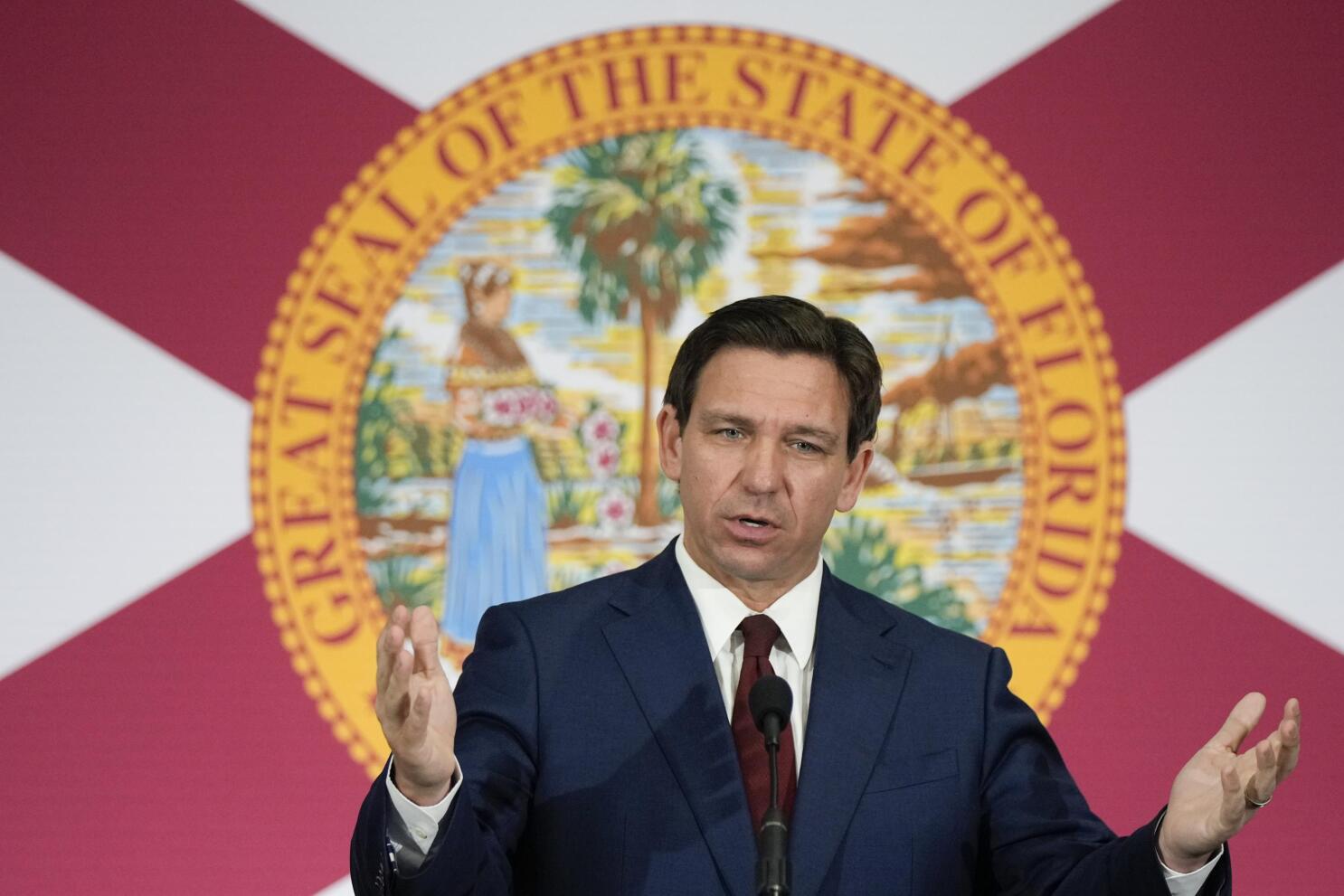
While the court considers these concerns, Florida Governor Ron DeSantis confirmed that day-to-day operations at the facility have not been disrupted. The center continues to process detainees and carry out deportations despite the suspension of building activity. State officials have stressed that the pause applies only to ongoing construction work and does not affect the facility’s current capacity or enforcement actions.
The nickname “Alligator Alcatraz” emerged early in the project’s development, referring both to the center’s isolation within Florida’s alligator-inhabited wetlands and to its reputation for strict security measures. Critics argue that placing such a facility in an environmentally sensitive area was a decision made without adequate public consultation or full environmental review. Supporters of the project, however, view the location as an effective deterrent for escape and as a secure setting for detaining individuals awaiting immigration proceedings.
The legal dispute centers on whether federal agencies overseeing the project complied with the National Environmental Policy Act and other relevant statutes before approving construction. Plaintiffs in the case allege that government agencies fast-tracked approvals without conducting thorough environmental impact assessments or considering less damaging alternatives. Attorneys representing the federal government contend that all necessary procedures were followed and that construction is consistent with existing environmental regulations.
This is not the first time the project has faced legal challenges. Earlier complaints focused on funding allocations, procurement processes, and the potential for flood-related hazards during hurricane season. However, this latest court order marks the most significant interruption to the facility’s physical expansion to date.
During the two-week pause, environmental experts and legal teams are expected to present evidence to the court regarding the potential harm the project may cause to surrounding wetlands and wildlife. Depending on the outcome, the suspension could be extended, modified, or lifted entirely.
The situation has sparked renewed debate in Florida over balancing immigration enforcement priorities with environmental protection. For now, while bulldozers and construction crews stand down, the detention center remains operational, and the broader question of whether “Alligator Alcatraz” can legally expand in its current location remains in the hands of the court.