


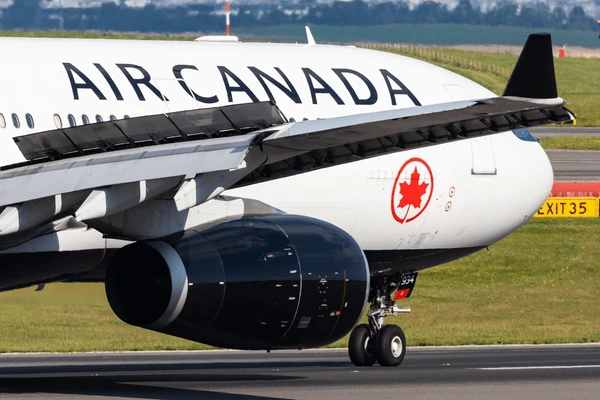
Air Canada’s operations came to a standstill early Saturday after more than 10,000 flight attendants walked off the job when a contract deadline passed without an agreement. The strike forced the airline to suspend all flights worldwide, leaving passengers stranded during what is traditionally one of the busiest months of the year for travel.
The walkout has grounded Air Canada’s domestic and international routes alike, with major airports in Toronto, Vancouver, and Montréal reporting thousands of disrupted passengers. Travelers across the United States, Europe, and Asia have also been caught up in the cancellations, scrambling to rebook on other airlines or abandoning their plans altogether. August is typically peak season for tourism and business travel, and the timing has intensified the disruption.
Union leaders say the strike reflects long-standing frustrations over pay, scheduling, and working conditions. They argue that the cost of living has soared in recent years while compensation has failed to keep pace, particularly for employees based in Canada’s largest cities. Flight attendants also cite exhausting schedules and unpredictable hours that make it difficult to balance work and personal life. Many feel that after helping keep the airline afloat during the pandemic, they are now being shortchanged.
Air Canada executives contend that the company is still recovering financially from the pandemic’s blow to global aviation and must maintain a careful balance between employee compensation and the airline’s long-term financial stability. Management has said it values its staff and wants a resolution, but insists that steep increases in pay and scheduling concessions could threaten its fragile recovery.
For passengers, the result has been days of frustration and confusion. Airports saw long lines of customers seeking refunds, while others scrambled to secure scarce seats on alternative flights. Travel agents report that ticket prices on competitors such as WestJet and Porter jumped almost immediately as demand spiked. International airlines that partner with Air Canada are also facing added pressure as passengers turn to them for alternatives, leading to ripple effects across the industry.
The Canadian government has called for both sides to return to negotiations, warning of the broader economic toll if the dispute drags on. While officials have not yet hinted at direct intervention, some observers suggest federal action may become necessary if talks fail to resume soon. In the meantime, the transport ministry has pledged to monitor the situation closely.
For now, Air Canada’s passengers face difficult choices: wait and hope for a quick resolution, pay higher fares to switch carriers, or cancel their trips altogether. With no immediate end in sight, the strike highlights the fragile balance between labor rights, corporate survival, and the public’s reliance on accessible air travel.