


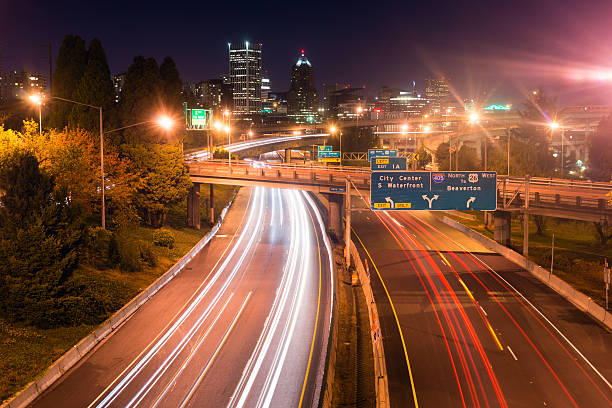
While the Oregon Senate prepares to cast its vote on House Bill 3991, residents across the state are already calculating the potential costs of the sweeping transportation package. The Oregon House of Representatives narrowly approved the measure on September 1 by a 36–12 vote, meeting the required three-fifths threshold for tax legislation. Now, all eyes are on the upper chamber, which is scheduled to vote on September 17. If approved, the bill could mark one of the most significant shifts in Oregon’s transportation funding structure in decades.
HB 3991 was introduced during a special legislative session called by Governor Tina Kotek to address an anticipated $290 million shortfall at the Oregon Department of Transportation. Without new revenue, state officials warned of layoffs, stalled highway maintenance, and long-term infrastructure setbacks. The proposal seeks to raise approximately $4.3 billion over the next ten years, but the path to doing so is paved with tax hikes and fee increases that will directly affect households and employers.
At the center of the package is a gas tax increase that would raise Oregon’s current 40 cents per gallon rate to 46 cents. That six-cent bump may appear modest at first glance, but for families with multiple drivers and long commutes, the impact compounds quickly. A household consuming 100 gallons of fuel per month would pay an additional $6 monthly, or roughly $72 more annually. For rural Oregonians, where travel distances are longer and alternatives like public transit are limited, the tax could cut deeper into already strained budgets.
Vehicle registration and title fees would also climb. Registration fees are slated to rise by $42, while the cost of titling a vehicle could jump by as much as $139. For residents purchasing used or new cars, those charges would be unavoidable and immediate. This change has drawn attention from working-class families who rely on older vehicles and frequently move between titles, potentially magnifying the financial burden.
Employers, too, will face heavier obligations. The payroll transit tax, currently set at 0.1 percent, would temporarily double to 0.2 percent. While this tax is collected from employees’ wages, it is administered through businesses, leaving small business owners and workers alike concerned about its effect on take-home pay. For someone earning $50,000 per year, the increase would mean an additional $50 annually, a figure that grows when multiplied across an entire workforce.
Supporters of HB 3991 argue that the revenue is critical to maintaining safe roads, modernizing highways, and keeping Oregon’s economy moving. Critics counter that the bill leans too heavily on taxpayers during a period when inflation, rising housing costs, and higher energy bills are already squeezing household finances. They also note that fuel tax increases may prove regressive, disproportionately affecting low-income residents who spend a larger share of their income on transportation.
In addition to the tax measures, the bill introduces enhanced auditing requirements for ODOT, a provision meant to reassure lawmakers and taxpayers that new funds will be spent responsibly. Still, the promise of oversight has not silenced debate. Many residents remain wary of whether billions in new revenue will be managed with transparency.
As Oregon waits for the Senate’s decision, the financial implications of HB 3991 are becoming increasingly clear. The combined increases in fuel taxes, registration fees, title charges, and payroll taxes could represent one of the largest shifts in cost-of-living for residents in recent years. For households already struggling to stretch every dollar, the outcome of the September 17 vote may well determine not just the future of the state’s transportation system, but also the stability of their own monthly budgets.