


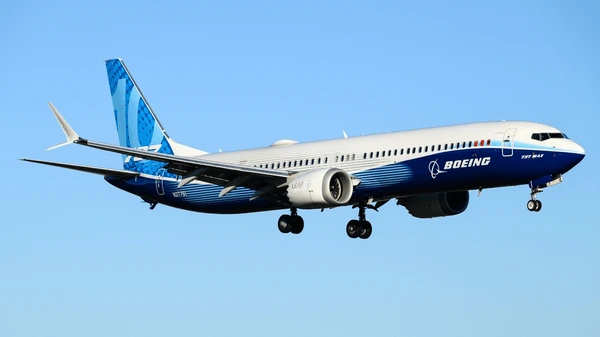
The Federal Aviation Administration has announced that Boeing will once again be allowed to issue airworthiness certificates for its 737 Max and 787 Dreamliner passenger jets, a decision that marks a major turning point more than six years after two fatal crashes raised global safety concerns. The FAA stated that Boeing’s authority to self-certify the airworthiness of its planes would be restored beginning Monday, signaling renewed confidence in the company’s ability to comply with federal aviation safety standards.
Boeing lost this authority following the 2018 and 2019 crashes of the 737 Max in Indonesia and Ethiopia, which together claimed 346 lives. The tragedies set off an international grounding of the Max fleet and brought intense scrutiny of both Boeing’s internal safety culture and the FAA’s oversight practices. Investigations revealed design flaws, particularly with the Maneuvering Characteristics Augmentation System (MCAS), as well as lapses in Boeing’s internal communications. These findings forced a reevaluation of certification processes and fueled criticism that the company’s once-sterling reputation for safety had been compromised.
In the years since, Boeing has faced a long and often turbulent road back to regulatory approval. The company overhauled its corporate structure, increased transparency requirements, and submitted to enhanced FAA monitoring. Engineers implemented software updates and design changes to address the flaws that contributed to the crashes, while training requirements for pilots were expanded worldwide. The FAA, for its part, imposed tighter oversight and withheld Boeing’s ability to self-certify airworthiness certificates until it was satisfied that reforms had been carried out effectively.
The restoration of certification authority applies specifically to new deliveries of the 737 Max and the 787 Dreamliner, two models critical to Boeing’s commercial aviation business. The Max remains one of the best-selling narrow-body aircraft in the world, and the Dreamliner has become a backbone of long-haul international fleets. The FAA’s decision comes as Boeing continues to rebuild trust with airlines, passengers, and regulators around the globe.
Despite the progress, Boeing has continued to face challenges. Production issues with the 787, including concerns about structural integrity and quality control, led to delivery delays in recent years. The company also endured financial losses, labor disputes, and supply chain disruptions tied to the pandemic and global economic slowdown. Restoring its authority to self-certify is expected to streamline aircraft delivery timelines, but Boeing remains under close watch by regulators, industry analysts, and the flying public.
The FAA emphasized that its decision reflects confidence in Boeing’s improved safety culture and quality control measures, but it also underscored that oversight will remain rigorous. The agency has made clear that Boeing must maintain transparency, adhere strictly to certification standards, and continue the reforms it has committed to.
For Boeing, the decision represents not only a regulatory milestone but also a symbolic recovery step in an era when safety lapses nearly derailed one of America’s most iconic manufacturers. For the FAA, the move reflects a delicate balance between restoring trust in industry processes and maintaining its responsibility as the nation’s aviation watchdog.
The reinstatement of Boeing’s certification authority closes a chapter on a dark period in aviation history, though the events that led to it remain a reminder of the stakes in air travel safety. The true measure of the decision will lie not in the announcement itself, but in whether Boeing sustains the reforms that the past six years have demanded.