


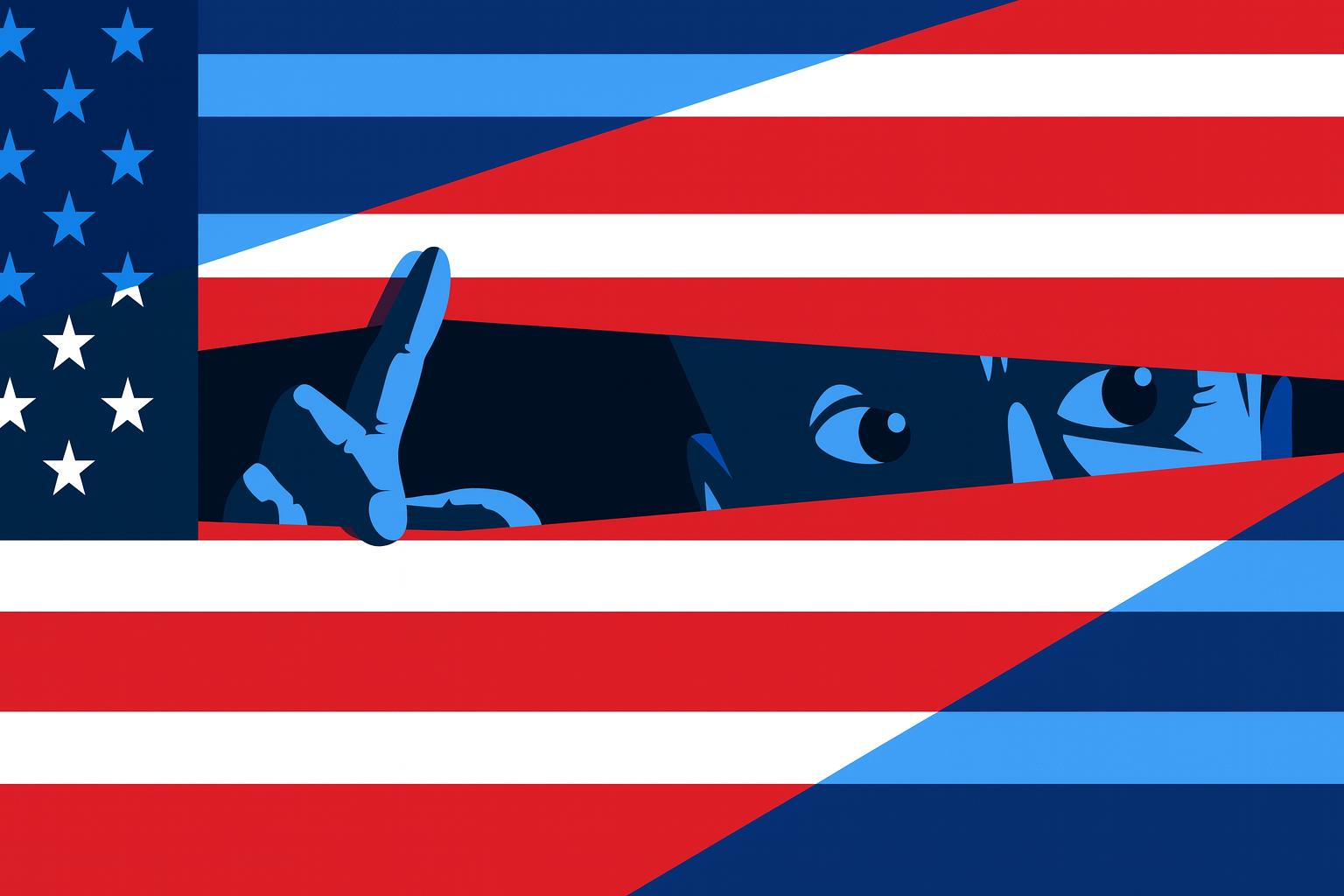
Josephine County stands at a critical crossroads. For too long, a culture of political intimidation, deception, and self-serving behavior has flourished in plain sight, eroding trust in public institutions and leaving many residents feeling powerless. But winds are shifting. Mounting evidence of misconduct, combined with the growing resolve of law enforcement and ethics watchdogs, suggests that the era of unchecked political power in Southern Oregon may soon meet its reckoning.
This is not just a warning to the politicians who have grown comfortable operating above the law. It is also a call to the public to remain vigilant, engaged, and ready to hold their leaders accountable. When elected officials cross the line from governance into intimidation, retaliation, or deceit, they don’t just betray their oath of office—they undermine the foundation of a free and fair community.
Across Josephine County, residents have witnessed troubling patterns from some officials: the use of public office to target critics, the manipulation of information during campaigns, and the silencing of voices that dare to challenge those in power. These actions may have been brushed aside in the past as “just politics,” but Oregon law draws no such distinction. Under ORS 162.405 and 162.415, knowingly using a public position for personal gain or to harm another is official misconduct—a criminal offense. The law is clear, and no one wearing a title or sitting in an elected chair is exempt.
Equally clear are the protections afforded to the press and private citizens. Intimidating journalists, spreading lies to discredit community watchdogs, or retaliating against local media for publishing inconvenient truths are not political tactics—they are legal liabilities. The First Amendment of the U.S. Constitution and Article I, Section 8 of the Oregon Constitution guarantee freedom of speech and a free press. Officials who violate these principles risk not just public backlash, but lawsuits under federal civil rights law.
Campaign season often intensifies these tactics, with misinformation becoming a weapon. Oregon’s election law, particularly ORS 260.532, makes it unlawful to knowingly publish false statements about a candidate in order to influence an election. This applies equally to those promoting themselves and those tearing down their opponents. Civil penalties, injunctions, and legal judgments can follow for those who cross this line—penalties that some Southern Oregon politicians may soon come face to face with.
The Oregon Government Ethics Commission (OGEC) also has authority to investigate misconduct and levy fines for ethical violations. In recent months, multiple complaints have been filed regarding local officials’ behavior, ranging from conflicts of interest to abuse of power. If these complaints are pursued fully, they could lead to sanctions, public findings, or even the removal of officials who have treated their offices as personal fiefdoms rather than public trusts.
But this warning is not only for those in office. It is also for the citizens who have, at times, underestimated their own power. Accountability depends not only on laws but on the willingness of residents to stand together, demand transparency, and refuse to accept intimidation as the norm. Oregon law gives the public tools to fight back—through ethics complaints, public records requests, civil lawsuits, and even recall petitions. These mechanisms exist to keep democracy in local hands, not behind closed doors.
The coming months may bring investigations, indictments, ethics rulings, or political upheaval. For some officials, this could mean criminal charges or forced resignations. For others, it may mean facing the voters in a recall campaign driven by a public no longer willing to stay silent. This is not speculation—it is the natural outcome of evidence meeting enforcement.
Southern Oregon’s future depends on how both its leaders and its citizens respond to this moment. Politicians who have operated with impunity would be wise to reconsider their actions, as the legal consequences of abusing public trust are real and imminent. At the same time, residents must stay alert, engaged, and unwilling to let political bullying go unanswered.
The warning is clear: the law is catching up. Those who have misused their positions for personal gain or political intimidation will soon find the protections they thought they enjoyed beginning to crumble. And for the people of Josephine County, this is an opportunity to reclaim their community—not through rhetoric, but through lawful, organized, and decisive action.
The days of looking the other way are over. A new chapter is about to begin.