


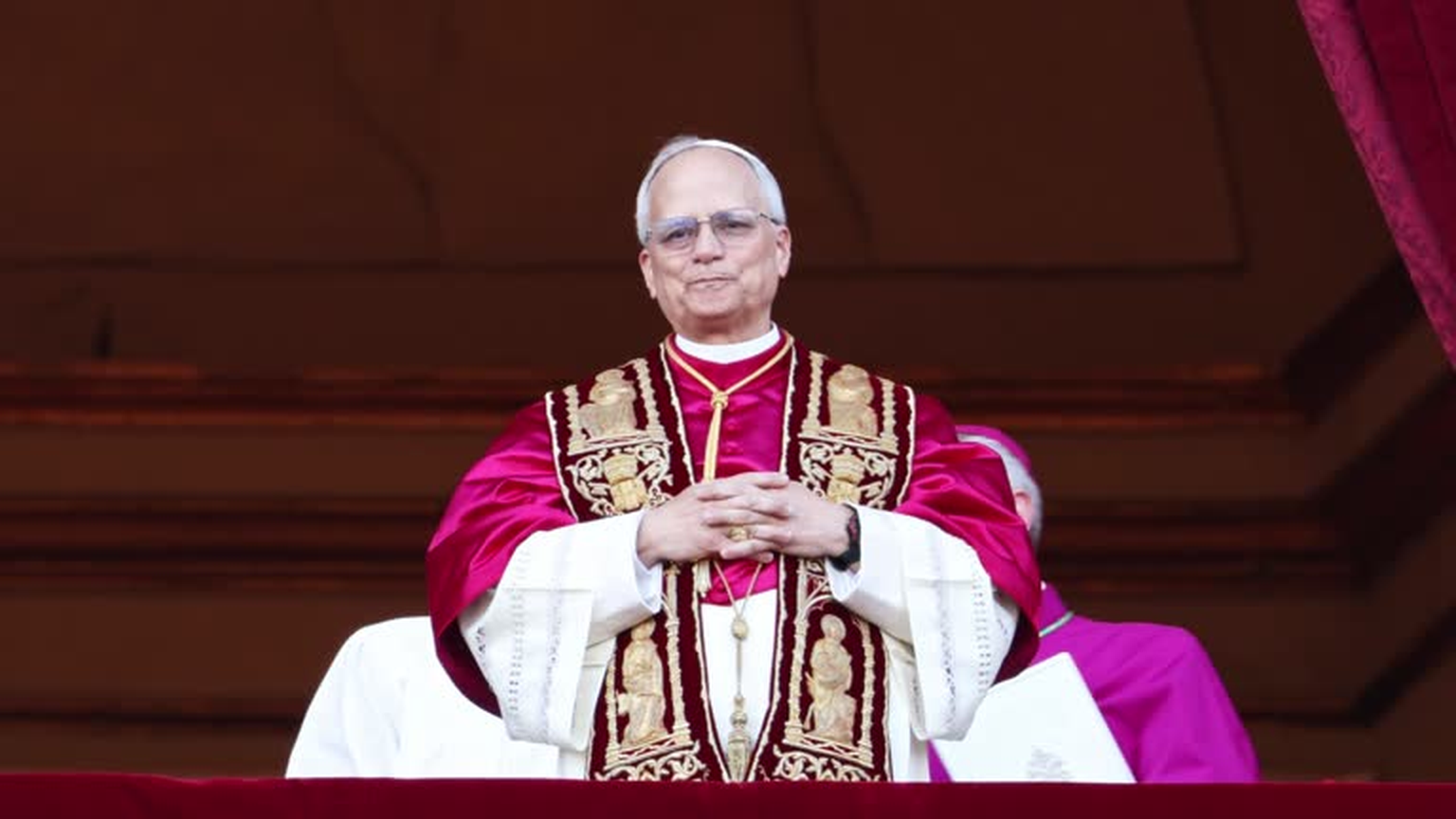
Pope Leo XIV’s visit to the ancient city of Nicaea in modern day Iznik, Turkey, became the central moment of his first international trip as pontiff, bringing together Christian leaders from Eastern and Western traditions for a rare and symbolically charged gathering. The event commemorated the seventeen hundredth anniversary of the First Council of Nicaea, the landmark A.D. 325 assembly that produced the Nicene Creed, a foundational statement of Christian belief recited across denominations around the world.
The pope arrived in Iznik alongside Ecumenical Patriarch Bartholomew of Constantinople and a diverse delegation of patriarchs, bishops and clergy representing Orthodox, Catholic and several Protestant bodies. Their meeting took place at the ruins of the Basilica of Saint Neophytos on the shore of Lake Iznik, a site deeply rooted in early Christian history. Twenty seven church leaders joined the pope in prayer and reflection, underscoring a shared commitment to exploring a future of deeper cooperation despite centuries of division.
The gathering centered on a unified reaffirmation of the Nicene Creed, a gesture meant to highlight common theological ground among Christian traditions that have long worshiped separately. The participants also joined in a series of prayers and hymns drawn from various liturgical styles, signaling a willingness to stand together publicly at a time when global conflict and religious tension have placed increasing pressure on faith communities. Christian unity has been a recurring theme for Pope Leo XIV since his election, and the Nicaea commemoration served as a natural platform to amplify that message on an international stage.
In his remarks throughout the visit, the pope emphasized the need for reconciliation among Christians and urged a renewed focus on the shared legacy of the early church. The significance of meeting at the birthplace of the creed carried both historical and contemporary weight, reflecting the desire to draw lessons from the past while confronting present day conflicts. The pope referenced ongoing wars and unrest in regions including Ukraine and Gaza as evidence of a world facing rising instability. His warning that global tensions resemble a piecemeal world war drew wide attention and framed the unity appeal as not only a religious priority but a humanitarian one.
The visit unfolded with strong support from Turkish authorities who highlighted the broader importance of Iznik as a cultural and religious landmark. Although a small group affiliated with a local Islamist movement protested the papal presence, the overall atmosphere remained positive as pilgrims, clergy and local residents gathered to witness the historic moment. The trip dovetails with Turkey’s effort to promote its early Christian heritage sites as part of expanded religious tourism initiatives, adding a cultural dimension to the event.
Following the commemoration in Nicaea, Pope Leo XIV is scheduled to continue his first overseas mission with a stop in Lebanon. There he plans to meet with Middle Eastern Christian leaders and maintain the themes of peacebuilding and unity that have defined the early months of his papacy. His visit to Nicaea stands as a symbolic opening chapter of his international leadership, setting a tone of outreach, shared history and hope for renewed cooperation among Christian communities worldwide.